
Winter Immunity Foods, Without the Hype
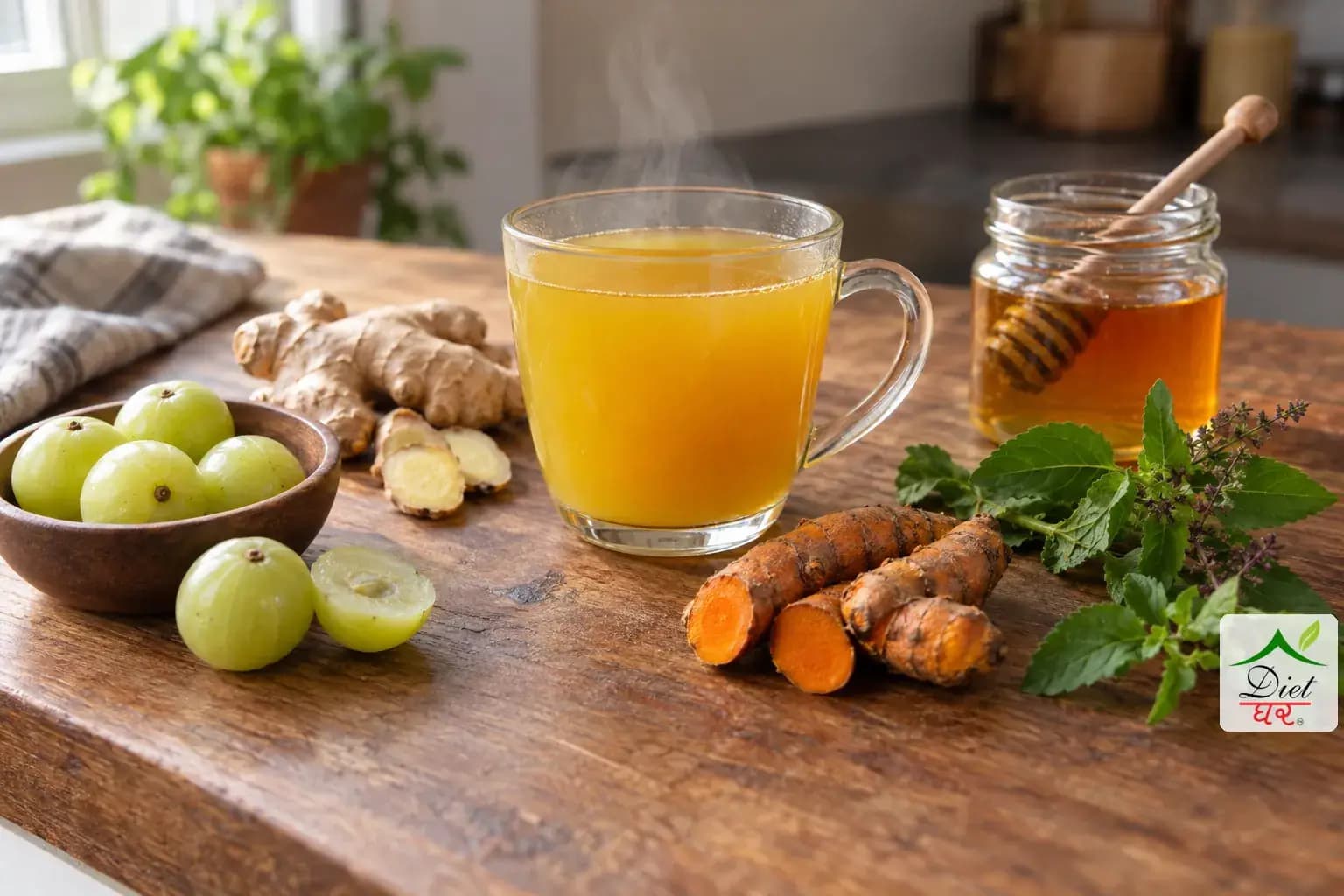
Illustrative image generated with AI
Every October the same messages come around. Drink this kadha, eat this laddoo, take this powder, and you will never catch a cold. A lot of it is harmless. A little is expensive. None of it works the way the message says.
This is a short, practical version of what food can do for your defences in winter, and where its limits are. We already have a broader note on the winter diet for Indians. This one is the sceptical companion to it.
What "immunity" means and does not mean
Your immune system is not a single switch that food turns up. It is a set of cells and signals that depends on many things: sleep, stress, age, vaccination, existing illness, and whether you are getting enough of the basic nutrients. Food cannot "boost" it past normal. What food can do is stop you being short of what the system needs.
That is the honest summary. If you are eating enough protein, a range of vegetables and fruit, and you are not deficient in anything, no extra "immunity food" will give you a stronger system. If you are short of something, fixing that helps.
What actually matters in winter
Enough protein. Antibodies and immune cells are made of protein. People who eat very little protein, which is common in vegetarian households that rely on roti and rice, can feel run down more often. Dal, curd, milk, paneer, eggs, sprouts, soya and chana at every meal does more than any kadha. See our note on protein from vegetarian food.
Vitamin D. Many Indians are low on vitamin D, and in winter, with covered skin and shorter days, it is worse. Food gives little, and a blood test and a doctor's advice are the sensible route. Our piece on vitamin D deficiency goes through it.
Vitamin C from ordinary food. Amla, guava, oranges, lemon, kinnow, tomato and capsicum are all good sources. Amla is among the richest, with reported values from roughly 250 to 600 mg per 100 g depending on the table and fruit, compared with about 50 mg in an orange (IFCT 2017, USDA). Eating them as part of normal meals is useful. It will not stop a cold, though some research suggests regular vitamin C may shorten colds slightly.
Zinc, iron and iodine. Common gaps for many Indians. Food sources include pumpkin seeds, sesame, chana, rajma, whole grains, nuts, and iodised salt. If you suspect a deficiency, get tested, and do not self-prescribe supplements.
Sleep, water and activity. Dull but real. Poor sleep is linked with catching infections more easily. Winter makes people drink and move less, so make a point of both.
Hygiene. Washing hands matters more than any food.
Foods worth eating this winter
Not because they are magic, but because they are good, cheap and in season.
- Greens: methi, palak, sarson and bathua. Folate, vitamin K and fibre. See winter vegetables and a week of meals.
- Citrus and amla: vitamin C, and a pleasant tang.
- Carrot and sweet potato: beta carotene, which the body turns to vitamin A.
- Garlic, ginger and turmeric in cooking: flavour, and a long tradition. The research on their effect on colds is limited. Eat them because you like them.
- Nuts and seeds, a small handful: vitamin E, zinc, healthy fats.
- Curd and buttermilk: protein and calcium. In winter, eat curd at lunch, not at night, if cold curd gives you a cough or a blocked nose. That belief is common, and it is not well proven either way, so go by what you notice.
- Warm soups and dals: helpful because you will actually drink or eat them.
- Millet rotis in rotation: bajra, makki and jowar bring fibre and variety.
- Eggs, chicken and fish if you eat them: good protein sources.
Claims you can ignore
- "This kadha will boost your immunity." A warm drink of tulsi, ginger and pepper is pleasant and soothes a sore throat. It does not raise immunity, and a very strong kadha can upset your stomach.
- "Haldi doodh prevents infection." It is comforting. It is not a preventive.
- "Detox drinks cleanse your body." Your liver and kidneys do that. See our note on liver cleanse myths.
- "Mega doses of vitamin C or zinc." Large doses can cause stomach trouble, and long term high zinc can reduce copper. Do not take them without advice.
- "Immunity powders and gummies." Many are mostly sugar and marketing, so read the label.
- "Cold food causes a cold." Viruses cause colds. Cold weather changes how people live, indoors and close together, which helps viruses spread.
When to see a doctor
If you get frequent infections, a cough that lasts more than two or three weeks, unexplained weight loss, a high fever, breathlessness, or if you have diabetes, asthma, a thyroid condition or any chronic illness, see your doctor. Food is not a treatment, and nothing here replaces vaccines your doctor recommends, such as the annual flu shot for those advised to have one.
Want a winter plan that fits your meals?
A nutritionist at DietGhar can build a winter plan around your food, your family and any health needs you tell us about. Plans start at Rs 499 for 15 days. See our plans or message us on WhatsApp at +91 78382 49321.
This is general information, not medical advice.
Sources: Indian Food Composition Tables 2017 (ICMR-NIN); USDA FoodData Central; ICMR-NIN Dietary Guidelines for Indians; WHO. Values are rounded.
FAQ
What is the best food for immunity in winter?
No single food does it. A pattern does: enough protein, vegetables and fruit, a source of vitamin C and zinc, and good sleep.
Is amla good in winter?
It is rich in vitamin C and a good seasonal fruit. Eat it as chutney or a small raw piece, but do not expect it to stop a cold.
Does turmeric milk help?
It is a pleasant warm drink with a long tradition and fine for most people. Evidence that it prevents illness is weak, so do not use it in place of treatment.
Should I take a vitamin C tablet?
If you eat a variety of vegetables and fruit you probably do not need one. Ask your doctor before taking regular supplements.
Sources
- Dietary Guidelines for Indians 2024, ICMR National Institute of Nutrition (NIN), Hyderabad
- Indian Food Composition Tables (IFCT) 2017, ICMR National Institute of Nutrition (NIN), Hyderabad
- Healthy diet (fact sheet), World Health Organization
Get Your Personalized Diet Plan Today!
This article provides general information about health and nutrition. Download the DietGhar app for a customized Indian diet plan tailored to your body type, health goals, and food preferences: with daily tracking and expert support.
About the Author
Written by The DietGhar Team nutritionists, helping clients since 2016 with personalised Indian diet plans. How our nutritionists work
Popular guides
Diet plans
Articles
- PCOS and PCOD diet plan, 7-day Indian meal plan
- Insulin resistance diet for Indians
- PCOS acne and skin: diet changes
- Indian keto diet for beginners
- Stress eating and cortisol
- Gluten-free Indian food for celiac disease
- Nutrition for Indians over 60
- South Indian diet for weight loss
- North Indian diet makeover
- Breastfeeding diet chart
- Winter diet and immunity foods
- Best Indian foods for hair growth
- Why crash diets fail
Find a Dietitian Near You
Get personalized nutrition plans from qualified nutritionists in your city. Online consultations available across India.

