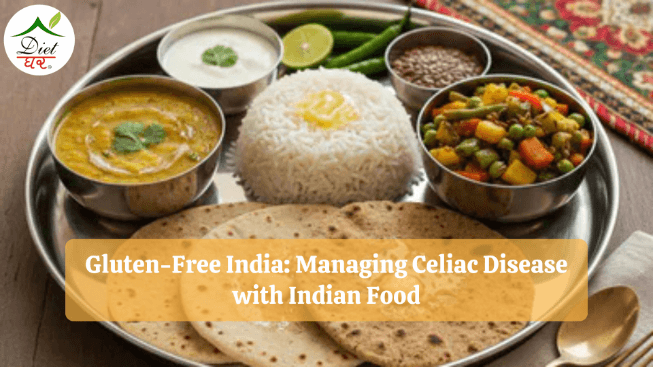
Gluten-Free India: Managing Celiac Disease with Indian Food
India's Hidden Celiac Crisis
Celiac disease, an autoimmune condition triggered by gluten consumption, is estimated to affect 1% of the global population. In India, prevalence studies suggest a similar rate: roughly 6–8 million Indians have celiac disease. Yet the vast majority remain undiagnosed, their symptoms attributed to IBS, stress, weak digestion, or food sensitivities, while the true autoimmune process continues silently damaging the small intestine.
The delay in diagnosis in India can span 6–10 years, during which ongoing gluten consumption causes progressive intestinal villous atrophy, malabsorption of critical nutrients (iron, calcium, folate, vitamin B12, vitamin D), and significantly elevated risk for lymphoma, infertility, and osteoporosis.
When diagnosed, the treatment is clear and effective: a strict, lifelong gluten-free diet. The challenge for Indian patients is adapting a cuisine that relies heavily on wheat (roti, paratha, naan, puri, maida in countless preparations) to a completely wheat-free framework. This guide provides that framework.
Understanding Celiac Disease vs. Gluten Sensitivity
Celiac disease is an autoimmune condition. When a person with celiac disease consumes gluten. The protein found in wheat, barley, and rye. The immune system attacks the small intestine's lining, causing inflammation and progressive damage to the villi (finger-like projections responsible for nutrient absorption). Even tiny amounts of gluten (as little as 20 parts per million) trigger this response.
Non-celiac gluten sensitivity (NCGS) is a separate condition where symptoms occur with gluten consumption but without the autoimmune intestinal damage or celiac-specific antibodies. NCGS is real but less severe, small amounts of gluten may not cause the same level of harm.
The distinction matters because celiac disease requires absolute strictness, even cross-contamination must be avoided. NCGS may allow more flexibility, though symptoms should guide behaviour.
Common celiac symptoms in India that are often missed:
- Chronic diarrhoea or loose stools (the "textbook" symptom, but present in only ~50% of cases)
- Constipation (yes, celiac can present as constipation in some patients)
- Abdominal bloating and pain after wheat-containing meals
- Unexplained iron deficiency anaemia that does not respond to iron tablets
- Severe fatigue
- Bone pain and osteoporosis at a young age
- Mouth ulcers that recur repeatedly
- Unexplained infertility or recurrent miscarriage
- Dermatitis herpetiformis (a specific itchy skin rash)
- Neurological symptoms including peripheral neuropathy
What Contains Gluten: The Indian Kitchen Audit
Obvious Gluten Sources (Must Avoid Completely)
- Wheat (gehun) in all forms, atta, maida, semolina (rawa/suji), whole wheat
- Roti, paratha, naan, puri made from wheat
- Bread and baked goods
- Pasta, noodles (unless certified gluten-free)
- Barley (jau), sometimes used in Indian dishes and drinks
- Rye (rare in Indian cooking but present in some imported products)
- Most biscuits and crackers
- Semolina-based dishes: upma, sheera, rava idli (made with suji/rawa)
- Daliya (broken wheat)
Hidden Gluten Sources in Indian Foods (Trickier)
- Soy sauce: Traditional soy sauce contains wheat. Use tamari (wheat-free soy sauce) instead.
- Ready-made masala powders: Many commercial masala mixes use wheat flour as a filler or anti-caking agent. Always check labels.
- Hing (asafoetida): Compounded hing (the common form sold in small tins) is mixed with wheat flour as a carrier. Pure hing resin or wheat-free compounded hing must be used.
- Papad and pappadums: Most commercial papads are made from urad dal, gluten-free. But some blended papads include wheat. Check ingredients.
- Oats: Oats do not contain gluten naturally, but are almost universally cross-contaminated with wheat in India. Only certified gluten-free oats (available from some brands) are safe for celiac patients.
- Restaurant food: Even rice or dal in restaurants may be cross-contaminated if prepared on shared surfaces with wheat-containing dishes. Eating out requires significant caution.
- Medications and supplements: Some tablets use starch binders, ask your pharmacist specifically about wheat-derived excipients.
Naturally Gluten-Free Indian Foods: The Safe List
Reassuringly, Indian cuisine's diversity means there is an extensive range of naturally gluten-free foods that form the foundation of a completely satisfying diet:
Grains and Starches
- Rice (chawal), all varieties: white, brown, basmati, parboiled
- Jowar (sorghum), excellent for rotis
- Bajra (pearl millet) for rotis and porridge
- Ragi (finger millet) for dosa, mudde, and porridge
- Sama rice (barnyard millet) and other small millets
- Kuttu (buckwheat), naturally gluten-free despite the name
- Rajgira (amaranth)
- Corn (makka), cornflour, makki ki roti
- Sabudana (tapioca)
- Rice flour, besan (chickpea flour), jowar flour, ragi flour
Proteins
- All dals and legumes (check for cross-contamination in packaged versions)
- Rajma, chole, chana, moong, all safe
- Paneer (check that it has no flour as thickener in commercial varieties)
- Eggs, chicken, fish, mutton, inherently gluten-free
- Curd, dahi, milk
Vegetables and Fruits
All fresh vegetables and fruits are naturally gluten-free. Concerns arise only with processed or pickled versions that may contain wheat-based additives.
Gluten-Free Indian Meal Ideas
Breakfast
- Ragi dosa or rice dosa with sambar and coconut chutney
- Moong dal chilla (besan-free version)
- Poha (beaten rice) with curry leaves and peanuts
- Rice idli (made with rice + urad dal batter, naturally gluten-free)
- Ragi porridge with milk and jaggery
Lunch
- Rajma chawal (the ultimate celiac-friendly comfort food)
- Dal tadka with rice and sabzi
- Jowar or bajra roti with dal and curd
- Chole with rice or jowar bhakri
Dinner
- Dal khichdi (rice + moong dal) with ghee
- Millet roti with any sabzi and dal
- Fish or chicken curry with rice
- Sabudana khichdi
Snacks
- Roasted makhana (fox nuts)
- Roasted chana
- Rice crackers (check labels)
- Fruits with nuts
- Rice poha namkeen
Cross-Contamination: The Most Underestimated Risk
For celiac patients, cross-contamination is as dangerous as direct gluten consumption. This is where many newly diagnosed patients continue to suffer symptoms despite believing they are eating gluten-free.
At home:
- Use separate cutting boards, colanders, and wooden spoons, wheat flour and dough contaminate porous surfaces permanently
- Store gluten-free flours in separate sealed containers
- If wheat is used in the household for other family members, prepare gluten-free items first, before any wheat cooking
Eating out:
- Inform restaurant staff explicitly, but understand that many Indian restaurants do not have protocols for preventing cross-contamination
- Rice-based South Indian restaurants (pure idli-dosa places) are generally safer than North Indian or multi-cuisine restaurants
- Dedicated gluten-free restaurants are rare in India but are beginning to appear in large cities
Nutritional Monitoring After Diagnosis
When celiac disease is diagnosed and a strict gluten-free diet is started, the intestinal lining begins to heal, but this takes 1–2 years in adults. During healing and beyond, nutritional monitoring is important because deficiencies accumulated during the pre-diagnosis period need to be corrected:
- Iron levels and ferritin, check every 6 months initially
- Vitamin B12 and folate, check annually
- Vitamin D, check annually, supplement as needed
- Calcium, ensure dietary adequacy or supplement
- Bone density scan (DEXA), at diagnosis in adults, especially women
A registered dietitian experienced in celiac disease is an invaluable resource for the first year after diagnosis, to personalise the gluten-free diet, identify hidden gluten sources, and address nutritional gaps.
Sources
- Dietary Guidelines for Indians 2024, ICMR National Institute of Nutrition (NIN), Hyderabad
- Indian Food Composition Tables (IFCT) 2017, ICMR National Institute of Nutrition (NIN), Hyderabad
- Healthy diet (fact sheet), World Health Organization
Get Your Personalized Diet Plan Today!
This article provides general information about nutrition and diet planning. Download the DietGhar app for a customized Indian diet plan tailored to your body type, health goals, and food preferences: with daily tracking and expert support.
About the Author
Written by The DietGhar Team nutritionists, helping clients since 2016 with personalised Indian diet plans. How our nutritionists work
Popular guides
Diet plans
Articles
- PCOD diet chart, 7-day Indian meal plan
- Insulin resistance diet for Indians
- PCOS acne and skin: diet changes
- Indian keto diet for beginners
- Stress eating and cortisol
- Gluten-free Indian food for celiac disease
- Nutrition for Indians over 60
- South Indian diet for weight loss
- North Indian diet makeover
- Breastfeeding diet chart
- Winter diet and immunity foods
- Best Indian foods for hair growth
- Why crash diets fail
Find a Dietitian Near You
Get personalized nutrition plans from qualified nutritionists in your city. Online consultations available across India.

