Anti-Inflammatory Indian Diet: Fighting Arthritis and Chronic Pain
Inflammation: The Root of Most Modern Indian Diseases
Inflammation is not inherently bad. Acute inflammation. The swelling and redness after a cut or infection, is your immune system doing its job. The problem is chronic low-grade inflammation: a persistent, smouldering immune response that damages tissues over months and years without obvious symptoms until it is too late.
Chronic inflammation underlies an alarming range of conditions that are epidemic in India: type 2 diabetes, cardiovascular disease, metabolic syndrome, rheumatoid arthritis, osteoarthritis, certain cancers, Alzheimer's disease, and depression. The Indian diet, particularly in urban areas, has shifted in ways that drive inflammation: excess refined carbohydrates, industrial seed oils, ultra-processed foods, and inadequate omega-3 fatty acids.
The remarkable flip side is that the traditional Indian kitchen contains some of the most powerful anti-inflammatory compounds known to science. Turmeric, ginger, garlic, black pepper, cinnamon, cloves, these are not folk medicine curiosities. They are functional foods with measurable biological effects. Understanding which foods fight inflammation and which drive it can meaningfully reduce pain and disease risk.
Understanding Arthritis in the Indian Context
India has approximately 180 million people with arthritis, more than the number with diabetes or cancer combined, according to the Arthritis Foundation of India. Osteoarthritis (wear-and-tear joint degeneration) and rheumatoid arthritis (an autoimmune inflammatory condition) are the most common forms.
Several factors make Indians particularly vulnerable:
- Genetic predisposition to lower bone density in some populations
- High prevalence of vitamin D deficiency (70–90% of urban Indians are deficient)
- Diets high in refined carbohydrates that promote inflammatory cytokines
- Low omega-3 intake relative to omega-6 (the inflammatory/anti-inflammatory balance)
- Physical activity patterns that involve either too much strain (labour) or too little movement (desk work)
Diet cannot cure arthritis. But multiple randomised controlled trials show that dietary interventions can meaningfully reduce pain scores, morning stiffness, and disease activity markers, in some cases as effectively as non-steroidal anti-inflammatory drugs (NSAIDs), without the gastrointestinal side effects.
The Most Powerful Anti-Inflammatory Indian Foods
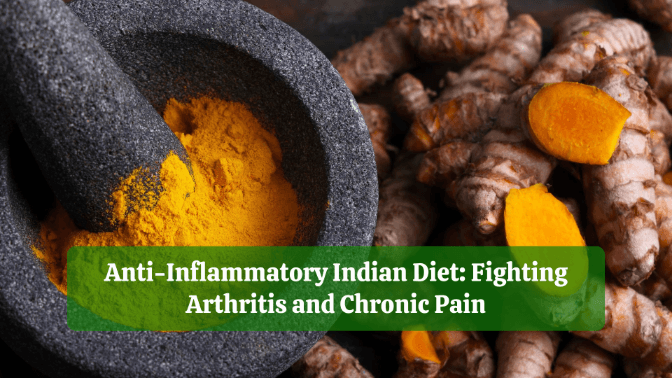
Turmeric (Haldi), The Gold Standard
Curcumin, the active compound in turmeric, is one of the most studied natural anti-inflammatory substances. It inhibits NF-κB, a molecule that activates genes related to inflammation, and reduces levels of pro-inflammatory cytokines including TNF-alpha and interleukin-6. These are the same pathways targeted by many arthritis medications.
Clinical trials in rheumatoid arthritis patients have found curcumin supplementation comparable to diclofenac sodium in reducing swelling, pain, and disease activity, with a significantly better safety profile. One challenge: curcumin is poorly absorbed from food. The combination with black pepper (piperine increases absorption by up to 2000%) and fat (turmeric is fat-soluble) dramatically improves bioavailability, which is why a traditional cup of haldi doodh with ghee and black pepper is more effective than plain turmeric water.
Ginger (Adrak)
Ginger contains gingerols and shogaols, compounds that inhibit the same inflammatory enzymes (COX-1 and COX-2) as ibuprofen. A 2015 meta-analysis found that ginger supplementation significantly reduced pain and disability in osteoarthritis of the knee. Fresh ginger in dal, chai, or adrak chai is a daily anti-inflammatory habit that many Indians already have without realising its therapeutic value.
Garlic (Lehsun)
Allicin, the compound responsible for garlic's characteristic smell, has potent anti-inflammatory and immune-modulating properties. Regular garlic consumption has been associated with reduced levels of C-reactive protein (CRP), a key marker of systemic inflammation. Raw or lightly cooked garlic preserves more allicin than heavily cooked preparations. Two to three cloves daily is a reasonable therapeutic amount.
Mustard Seeds and Mustard Oil
Cold-pressed mustard oil, widely used in Bengal, Punjab, and Bihar, has a favourable omega-3 to omega-6 ratio compared to most other cooking oils. It contains alpha-linolenic acid (ALA), a plant omega-3. The omega-3:omega-6 ratio of the diet is closely linked to inflammatory status: modern industrial diets have ratios of 1:15 or worse, whereas ancestral diets were closer to 1:4. Using mustard oil instead of refined sunflower or soybean oil is a simple way to improve this ratio.
Fatty Fish, Sardines, Mackerel, Salmon
Marine omega-3 fatty acids (EPA and DHA) are among the most evidence-based anti-inflammatory interventions. They are incorporated into cell membranes where they compete with omega-6 fatty acids and shift the balance toward less inflammatory signalling. Sardines (tarli), mackerel (bangda), and rohu are all excellent and affordable sources available across India's coastal and riverine regions. Two servings of fatty fish per week significantly reduces inflammatory markers and arthritis pain in clinical trials.
Amla (Indian Gooseberry)
Amla has the highest natural concentration of vitamin C of any food commonly eaten in India, one amla contains as much vitamin C as 20 oranges. Vitamin C is essential for collagen synthesis, which is the primary structural protein in joint cartilage. It is also a potent antioxidant that neutralises free radicals that damage joint tissues. Amla murabba, amla pickle, or fresh amla eaten directly are all effective delivery methods.
Walnuts
Walnuts are the only common nut with a significant amount of ALA omega-3. A handful of walnuts (30 grams) daily has been shown to reduce CRP and interleukin-6 in multiple trials. They are expensive in India but a small daily amount (5–7 walnuts) is an accessible, evidence-based habit for those managing chronic inflammation.
Foods That Drive Inflammation, What to Reduce
Refined Carbohydrates and Sugar
White bread, maida-based foods (biscuits, samosas, white bread), sugary drinks, and sweets trigger a rapid blood sugar spike followed by an insulin surge. This process promotes the production of advanced glycation end products (AGEs) and activates inflammatory pathways. The Indian diet is increasingly dominated by these foods, particularly in urban settings.
Industrial Seed Oils
Refined sunflower oil, soybean oil, and palm oil. The most commonly used cooking oils in Indian homes and restaurants, are extremely high in omega-6 linoleic acid. When consumed in excess relative to omega-3, they shift the body toward a pro-inflammatory state. This does not mean these oils are toxic, but their dominance in the Indian diet is part of why inflammation-related disease has increased alongside urbanisation.
Ultra-Processed Foods
Packaged namkeen, instant noodles, chips, cookies, and commercially prepared fried foods contain a combination of refined carbohydrates, industrial oils, trans fats, and excess sodium, all of which independently promote inflammation. The more of your diet that comes from packages, the higher your inflammatory load tends to be.
Excess Alcohol
Alcohol directly increases intestinal permeability (leaky gut), allowing bacterial products to enter the bloodstream and trigger systemic inflammation. It also elevates uric acid levels, which can trigger gout, an excruciatingly painful form of inflammatory arthritis particularly common in men.
The Anti-Inflammatory Indian Diet: Daily Framework
Morning
Start with warm water and lemon, or adrak-haldi tea with a pinch of black pepper. Have a breakfast with protein and fat, eggs with vegetables, moong dal chilla, or ragi porridge with nuts.
Lunch
A traditional Indian thali is actually anti-inflammatory by design: dal (legumes with phytochemicals), sabzi (vegetables with antioxidants), roti made from whole grain, curd (probiotics), and a small amount of ghee (butyrate for gut health). The problem is when thali becomes dominated by white rice and fried items.
Dinner
Keep dinner lighter, a bowl of khichdi with vegetables and ghee, or fish curry with rice and a sabzi, or dal with jowar roti. Avoid eating very late and minimise heavily fried or sugar-heavy foods at night when metabolism is slower.
Daily Habits
- Add haldi and black pepper to dal, milk, or sabzi every day
- Use fresh ginger and garlic in cooking, not just as flavour but as medicine
- Eat at least 5 servings of vegetables and 1–2 fruits per day
- Replace refined oil with mustard oil or cold-pressed coconut oil where appropriate
- Eat fatty fish at least twice per week if non-vegetarian
- Limit sweets, fried snacks, and packaged foods to occasional treats
Supplements Worth Considering
Food-first is always the right approach, but some supplements have strong evidence for arthritis specifically:
- Vitamin D3: Deficiency is near-universal in urban India and strongly associated with joint pain and autoimmune disease. A blood test and appropriate supplementation under medical guidance is often warranted.
- Curcumin extract: More bioavailable than food-level turmeric for therapeutic purposes. Look for formulations with piperine or phospholipid complexes.
- Omega-3 (fish oil): If you do not eat fatty fish regularly, a quality fish oil supplement providing 1–2g EPA+DHA daily has solid evidence for reducing arthritis symptoms.
Always discuss supplementation with a qualified healthcare provider, particularly if you are taking medications, as some supplements interact with blood thinners and other drugs.
Sources
- Dietary Guidelines for Indians 2024, ICMR National Institute of Nutrition (NIN), Hyderabad
- Indian Food Composition Tables (IFCT) 2017, ICMR National Institute of Nutrition (NIN), Hyderabad
- Healthy diet (fact sheet), World Health Organization
Get Your Personalized Diet Plan Today!
This article provides general information about nutrition and diet planning. Download the DietGhar app for a customized Indian diet plan tailored to your body type, health goals, and food preferences: with daily tracking and expert support.
About the Author
Written by The DietGhar Team nutritionists, helping clients since 2016 with personalised Indian diet plans. How our nutritionists work
Popular guides
Diet plans
Articles
- PCOD diet chart, 7-day Indian meal plan
- Insulin resistance diet for Indians
- PCOS acne and skin: diet changes
- Indian keto diet for beginners
- Stress eating and cortisol
- Gluten-free Indian food for celiac disease
- Nutrition for Indians over 60
- South Indian diet for weight loss
- North Indian diet makeover
- Breastfeeding diet chart
- Winter diet and immunity foods
- Best Indian foods for hair growth
- Why crash diets fail
Find a Dietitian Near You
Get personalized nutrition plans from qualified nutritionists in your city. Online consultations available across India.

