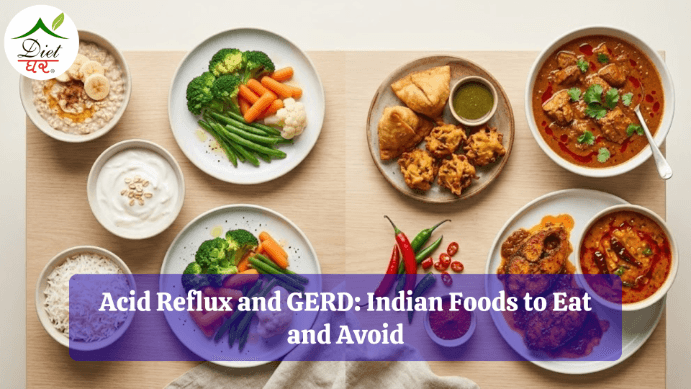
Acid Reflux and GERD: Indian Foods to Eat and Avoid
India's Antacid Epidemic
Walk into any Indian pharmacy and the antacid section occupies a prominent wall. Digene, Eno, Pan-D, Gelusil, Ranitidine, these are household names across India. The country consumes antacids at extraordinary rates. Gastroesophageal reflux disease (GERD). The chronic condition where stomach acid regularly flows back into the oesophagus, affects an estimated 22% of urban Indians and the rate is rising.
The rise corresponds precisely with the urbanisation of the Indian diet: spicier restaurant food, larger portions, later dinners, increased consumption of tea and coffee, more packaged and processed foods, higher rates of obesity, and the sedentary desk-based lifestyle where most of the day is spent sitting, a position that itself worsens reflux.
Antacids provide symptomatic relief, but they do not address the underlying cause. Long-term use of proton pump inhibitors (PPIs), a commonly prescribed class of acid-reducing drugs, is associated with magnesium deficiency, increased risk of gut infections, reduced calcium absorption, and vitamin B12 deficiency. For many people with GERD, dietary and lifestyle changes can reduce or eliminate the need for medication entirely.
How GERD Works
Between the oesophagus and the stomach sits the lower oesophageal sphincter (LES), a muscular valve that should open to allow food in and then close tightly to prevent stomach contents from flowing back up. In GERD, this sphincter is either weak or temporarily relaxes inappropriately, allowing acidic stomach contents to travel upward into the oesophagus.
The oesophagus does not have the protective mucus lining that the stomach has, so acid causes irritation, inflammation, and the characteristic burning sensation (heartburn) in the chest or throat. Over time, chronic acid exposure can cause oesophageal erosions, Barrett's oesophagus, and in a small percentage of cases, oesophageal cancer.
Factors that weaken or relax the LES include: obesity (particularly abdominal fat pressing against the stomach), certain foods and drinks, pregnancy, smoking, and some medications.
Indian Foods That Trigger Acid Reflux
Spicy Food
This is the most obvious one, but the mechanism is worth understanding. Chilli and capsaicin irritate the oesophageal lining directly in people who already have reflux, causing the burning sensation to worsen. However, spicy food does not cause reflux. It worsens symptoms in people who already have it. If your reflux is controlled, moderate spice in food may be tolerable. During flare-ups, reducing chilli significantly is appropriate.
Fried and High-Fat Foods
This is the most significant dietary trigger for GERD. High-fat foods slow gastric emptying (food stays in the stomach longer, increasing the window for reflux) and directly relax the LES. Indian fried foods, samosas, pakoras, puri, poori, pav bhaji, deep-fried snacks, are major reflux triggers. The fat content, not the spice, is the primary culprit.
Onion and Garlic
Raw onion and garlic are potent LES relaxants and are also gas-producing, both mechanisms worsen reflux. Cooked onion and garlic are better tolerated by most people with GERD. The raw chutneys and salads with raw onion that accompany many Indian meals are common triggers.
Tomatoes and Tomato-Based Sauces
Tomatoes are acidic and also contain compounds that relax the LES. Tomato-heavy preparations, gravies with excess tomato, chaat with tomato, ketchup-based snacks, are significant triggers for susceptible individuals.
Citrus
Lime, lemon, and nimbu-based drinks are acidic and can worsen reflux symptoms, particularly on an empty stomach. The common Indian habit of starting the day with warm lemon water is beneficial for many people but problematic for GERD patients.
Chai and Coffee
Both caffeine and the tannins in tea relax the LES and stimulate acid production. The typical Indian habit of 3–5 cups of chai per day is a significant contribution to GERD. This does not mean complete elimination, but reducing quantity, avoiding chai on an empty stomach, and not having tea immediately after meals can make a meaningful difference.
Mint
Peppermint and spearmint, though widely used in Indian cuisine and often believed to be digestive aids, are actually LES relaxants. For people with GERD, mint-based chutneys, mint chai, and peppermint digestive candies can worsen reflux. This is counterintuitive but well-established.
Large Meals and Eating Late at Night
Large meal volume increases gastric pressure, mechanically forcing acid upward. Eating the largest meal of the day at dinner, a common Indian pattern, then lying down within 2–3 hours compounds this risk. The stomach takes 2–3 hours to empty after a standard meal; lying down before this is complete significantly increases reflux episodes.
Indian Foods That Protect Against Reflux
Banana
Bananas are naturally low in acid and contain compounds that neutralise stomach acid and coat the oesophageal lining. They are one of the few fruits that are consistently well-tolerated by GERD patients. A ripe banana as a snack is often more effective than an antacid for mild reflux.
Curd (Dahi) in Moderation
Plain curd has a neutralising effect on stomach acid. Including a moderate amount of curd with meals (as raita) can buffer the acidic environment. However, very large amounts of full-fat curd or cold milk do not consistently help and may relax the LES in some people.
Ginger (in Reasonable Amounts)
Fresh ginger has anti-inflammatory effects on the digestive tract and speeds gastric emptying. Small amounts of fresh ginger in cooking or as ginger tea can be helpful for reflux. Note: ginger ale and ginger beer are not the same, they contain carbonation and sometimes citric acid that can worsen reflux.
Oatmeal and Whole Grains
Oatmeal, brown rice, and whole grain roti absorb stomach acid and are high in fibre, which speeds gastric transit and reduces the time food spends fermenting in the stomach. Replacing heavy, fatty breakfast foods with oatmeal or dalia is a practical first step for morning reflux.
Vegetables (Non-Acidic)
Most vegetables are low in acid and high in fibre, both beneficial for GERD. Lauki, tinda, turai, spinach, green beans, and broccoli are all reflux-friendly options. Avoid tomato-heavy preparations and raw onion-heavy salads during flare-ups.
Coconut Water
Coconut water is slightly alkaline and is an excellent beverage for GERD patients. It rehydrates, soothes the digestive tract, and does not trigger acid production the way tea and coffee do.
Lifestyle Changes That Work Better Than Antacids
Elevate the Head of Your Bed
This is one of the most effective and underused interventions. Placing 15–20 cm blocks under the head-end legs of your bed (or using a wedge pillow) keeps the oesophagus above the stomach during sleep, dramatically reducing nighttime acid exposure. This is more effective than using extra pillows, which bend the body in a way that can actually worsen reflux.
Wait 3 Hours After Eating Before Lying Down
In Indian culture, a heavy dinner followed by immediate sleep is common. This is one of the worst patterns for GERD. Finish dinner at least 3 hours before bedtime.
Eat Smaller Meals More Frequently
Reducing portion size at each meal, particularly dinner, reduces gastric pressure and the risk of reflux. Five smaller meals rather than three large ones is a practical approach.
Lose Abdominal Weight
Excess abdominal fat directly increases intra-abdominal pressure, pushing stomach contents upward. Even a modest reduction in waist circumference significantly reduces GERD symptom frequency.
Stop Smoking
Smoking is one of the most potent LES relaxants. Nicotine directly weakens the sphincter. This is among the most impactful lifestyle changes for GERD, though obviously also one of the hardest.
Sources
- Dietary Guidelines for Indians 2024, ICMR National Institute of Nutrition (NIN), Hyderabad
- Indian Food Composition Tables (IFCT) 2017, ICMR National Institute of Nutrition (NIN), Hyderabad
- Healthy diet (fact sheet), World Health Organization
Get Your Personalized Diet Plan Today!
This article provides general information about nutrition and diet planning. Download the DietGhar app for a customized Indian diet plan tailored to your body type, health goals, and food preferences: with daily tracking and expert support.
About the Author
Written by The DietGhar Team nutritionists, helping clients since 2016 with personalised Indian diet plans. How our nutritionists work
Popular guides
Diet plans
Articles
- PCOD diet chart, 7-day Indian meal plan
- Insulin resistance diet for Indians
- PCOS acne and skin: diet changes
- Indian keto diet for beginners
- Stress eating and cortisol
- Gluten-free Indian food for celiac disease
- Nutrition for Indians over 60
- South Indian diet for weight loss
- North Indian diet makeover
- Breastfeeding diet chart
- Winter diet and immunity foods
- Best Indian foods for hair growth
- Why crash diets fail
Find a Dietitian Near You
Get personalized nutrition plans from qualified nutritionists in your city. Online consultations available across India.

