North Indian Diet Makeover: Making Roti-Sabzi Work for Weight Loss
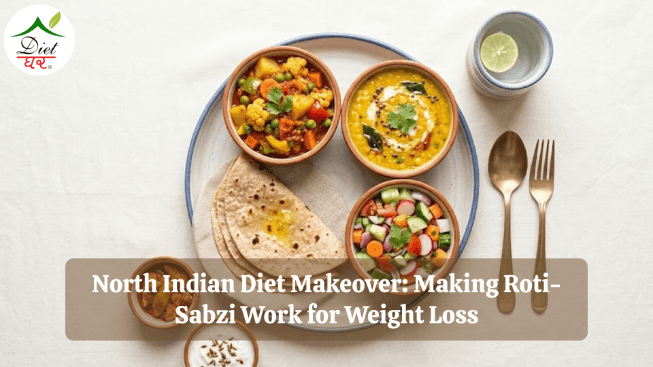
The North Indian thali, roti, dal, sabzi, curd, pickle, is actually one of the most balanced meal templates in the world. Complex carbohydrate from wheat, plant protein from legumes, vitamins and minerals from vegetables, calcium and probiotics from curd, a condiment serving as flavour and electrolytes. The template is sound. What has gone wrong in modern North Indian urban eating is not the traditional structure but the specific modifications, more oil, more ghee, white atta replacing whole wheat, dal getting smaller while roti portions grow, and a host of modern additions (daily fried snacks, excessive chai sugar, restaurant-frequency eating) that have shifted a genuinely healthy food tradition toward the metabolic crisis India is currently experiencing.
This guide is for North Indians (Punjab, Haryana, Uttar Pradesh, Madhya Pradesh, Rajasthan, Delhi, Bihar) who want to lose weight without giving up the food culture they grew up with and love. Not keto. Not South Indian substitutions. Not counting every calorie. A practical makeover of the roti-sabzi tradition that addresses the specific changes that make it unhealthy while preserving everything that makes it wonderful.
The Roti: Make It Work Harder
The standard North Indian wheat roti made from medium-quality atta (refined 70–80%) has a glycaemic index of approximately 62–70, moderate to high. It rises quickly in the blood, requires significant insulin, and provides limited satiety for its caloric content. Four to six rotis per meal (common in Punjabi and UP eating culture) provides 400–600 calories of medium-high GI carbohydrate with limited protein or fibre.
Small changes to the roti itself make it metabolically significantly different:
Upgrade the Flour
True 100% whole wheat atta: Many commercial "atta" products are not 100% whole wheat, they contain varying amounts of refined flour. True chakki-fresh whole wheat atta has GI of 52–58 versus 65–70 for standard commercial atta. Look for stone-ground (chakki) whole wheat flour or grind your own wheat at a local chakki with all the bran retained.
Multigrain atta blend: Mix whole wheat with other flours for improved nutrition:
- 70% whole wheat + 15% besan (chickpea flour) + 15% ragi, adds protein from besan, calcium from ragi, and lowers overall GI
- 70% whole wheat + 20% jowar + 10% flaxseed powder, adds fibre, omega-3, and reduces GI
- 60% whole wheat + 20% bajra + 20% sorghum, millet blend with lower GI and higher magnesium
Add flaxseed and methi to dough: Two tablespoons of ground flaxseed and two tablespoons of dried kasuri methi per batch of dough adds omega-3 fatty acids, fibre, and bioactive compounds that support blood sugar management.
Reduce the Quantity
The cultural norm of four to six rotis per meal needs to change to two to three medium-sized rotis. The missing volume must be replaced not with nothing (which creates hunger and failure) but with:
- Doubled vegetable sabzi portion
- Larger dal portion
- Addition of curd or raita
- A kachumber salad before or during the meal
The plate should shift from primarily roti to: 40% vegetables and salad, 30% protein (dal, paneer, eggs), 30% roti/grain.
Dal: Upgrade the Most Underappreciated Part of the Meal
In many North Indian homes, dal has become a thin, pale afterthought, a small bowl of watery masoor or moong that is consumed perfunctorily between bites of roti. This is a nutritional tragedy. Dal is the most important protein source in the vegetarian North Indian diet and the highest-fibre component of most meals. Upgrading dal is one of the most impactful changes available.
Make it thicker and more substantial: Dal should be a main dish, not a side condiment. Cook it to a thicker consistency. Add more dal per serving.
Use higher-protein varieties more often:
- Rajma (kidney beans): 8.7g protein per 100g cooked, excellent as main dish, not just once a week
- Whole moong: 7.9g protein per 100g cooked, easier to digest than whole urad
- Chana dal: 8.7g protein per 100g, high fibre, low GI
- Masoor dal: 9g protein per 100g, fastest cooking, very high nutrition
Make dal the protein centrepiece: One large katori (150g) of dal at each meal rather than one small katori provides 12–15g protein, essential for satiety and metabolic rate support.
Improve the tempering: Add garlic (3–4 cloves, crushed) to dal tempering for antimicrobial and cardiovascular benefits. Add jeera (cumin) and hing (asafoetida) to reduce bloating from legumes. Include a generous amount of coriander and lemon after cooking for vitamin C that improves iron absorption from the dal.
Sabzi: The Most Underused Weight Loss Tool
North Indian sabzis are typically cooked in 3–4 tablespoons of oil with generous amounts of masala. The vegetable itself is often a minor component of a predominantly oil-and-tomato-onion preparation.
Transformation for weight loss:
Reduce oil to one tablespoon per dish: Non-stick cookware allows this without sacrificing browning or flavour. One tablespoon of oil for tempering, no additional oil during cooking. This single change removes 200–300 calories per dish.
Increase vegetable content per sabzi: If a sabzi was made with 200g of vegetable, make it with 400g. More vegetable, same oil, approximately the same calories, but significantly more fibre, vitamins, and satiety.
Steam-then-temper method: Steam vegetables partially before adding to tempering rather than cooking entirely in oil. This reduces the oil needed and preserves more heat-sensitive vitamins.
Best North Indian vegetables for weight loss:
- Gobhi (cauliflower), 25 calories per 100g, high in sulforaphane
- Palak (spinach), 23 calories per 100g, highest iron content
- Lauki (bottle gourd), 16 calories per 100g, very low calorie, high water
- Turai (ridge gourd), 20 calories per 100g
- Karela (bitter gourd), 17 calories per 100g, excellent for blood sugar
- Arbi (colocasia/taro), moderate calories but high fibre and resistant starch when cooked and cooled
- Methi (fenugreek leaves), extraordinary weight-loss vegetable: blood sugar regulation, high iron, intense flavour in small quantities
Dairy: Use It Strategically
North Indian diets are dairy-rich, which is a nutritional asset. The issue is how dairy is consumed:
Paneer: Rich in protein and calcium but often prepared in heavy cream-based gravies (shahi paneer, paneer butter masala) with 400–600 calories per restaurant serving. At home, paneer in tomato-based sabzi with minimal oil (palak paneer, mattar paneer with controlled ghee) or grilled paneer tikka is excellent for weight loss.
Curd (dahi): Include at every meal as a side. Low calorie, high protein, probiotic, calcium-rich. The protein in curd extends satiety from the meal significantly. Plain curd > flavoured curd; homemade curd > commercial.
Chaas: The ideal North Indian meal beverage, replaces high-sugar drinks with something that adds protein, probiotics, and electrolytes. Traditional buttermilk (thin chaas) with jeera, rock salt, and coriander is nutritionally excellent and very low calorie.
Milk in chai: See our detailed analysis of the chai-sugar problem in our weight loss sabotage habits guide.
The Breakfast Problem in North India
The North Indian breakfast tradition includes many excellent options (poha, upma, chilla, stuffed paratha) but also several that are problematic for weight loss:
Aloo paratha with butter: A single standard aloo paratha contains 250–300 calories. Two with butter and pickle = 600–700 calorie breakfast with limited protein and very high refined carbohydrate. This is the most calorie-dense and protein-light common North Indian breakfast.
Puri bhaji: Deep-fried puri = significant oil calories. Best reserved for weekend treats, not daily breakfast.
Better North Indian breakfast options for weight loss:
- Besan chilla (2–3 pieces) with green chutney, high protein, lower GI, quick to make
- Moong dal chilla with paneer stuffing, excellent protein-forward breakfast
- Poha with extra peanuts and peas, moderate carbohydrate with protein
- Methi paratha (smaller, thinner, minimal ghee) with curd, better than aloo paratha
- Oats upma with vegetables, if transitioning toward higher-fibre breakfast
Snacking North Indian Style: What to Keep, What to Drop
Keep: Roasted chana (excellent blood sugar-stable snack), roasted makhana, fresh seasonal fruit, chaas, small portions of homemade chikki (jaggery-peanut).
Significantly reduce: Commercial namkeen (aloo bhujia, sev, mixture), pakoras daily, samosas, kachori, these add 200–400 calories of refined carbohydrate and excess oil without nutritional benefit.
What a Day on the Upgraded North Indian Diet Looks Like
Breakfast: Two besan chillas with green chutney + small bowl curd. Nimbu paani instead of chai-with-sugar.
Lunch: Two multigrain rotis (with ragi+flaxseed in dough), one large katori rajma or masoor dal, palak or gobhi sabzi with minimal oil, kachumber salad, small bowl curd.
Evening: Roasted chana with lemon and rock salt. Chaas.
Dinner: Two smaller rotis, moong dal (thin, with garlic tempering), any vegetable sabzi, raita or curd. Keep dinner lighter than lunch.
This is still clearly, unmistakably North Indian food. It is dal-roti at its core. The changes are in proportions, flour quality, oil quantity, and additions. Nothing has been replaced with alien substitutes. Your food culture is intact; its metabolic profile has been meaningfully improved.
Sources
- Dietary Guidelines for Indians 2024, ICMR National Institute of Nutrition (NIN), Hyderabad
- Indian Food Composition Tables (IFCT) 2017, ICMR National Institute of Nutrition (NIN), Hyderabad
- Healthy diet (fact sheet), World Health Organization
Get Your Personalized Diet Plan Today!
This article provides general information about weight management. Download the DietGhar app for a customized Indian diet plan tailored to your body type, health goals, and food preferences: with daily tracking and expert support.
About the Author
Written by The DietGhar Team nutritionists, helping clients since 2016 with personalised Indian diet plans. How our nutritionists work
Popular guides
Diet plans
Articles
- PCOD diet chart, 7-day Indian meal plan
- Insulin resistance diet for Indians
- PCOS acne and skin: diet changes
- Indian keto diet for beginners
- Stress eating and cortisol
- Gluten-free Indian food for celiac disease
- Nutrition for Indians over 60
- South Indian diet for weight loss
- North Indian diet makeover
- Breastfeeding diet chart
- Winter diet and immunity foods
- Best Indian foods for hair growth
- Why crash diets fail
Find a Dietitian Near You
Get personalized nutrition plans from qualified nutritionists in your city. Online consultations available across India.

