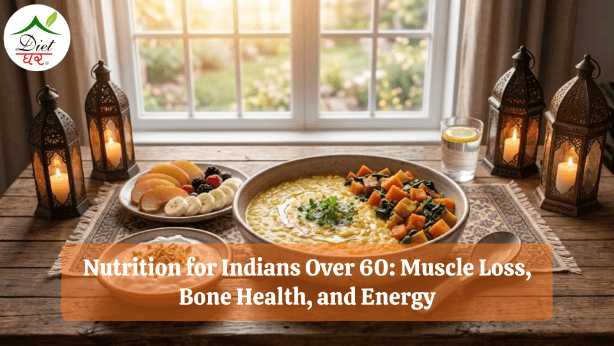
Nutrition for Indians Over 60: Muscle Loss, Bone Health, and Energy
Why Nutrition Changes Everything After 60
Ageing brings nutritional challenges that most people, and many doctors, underestimate. After 60, the body undergoes physiological changes that directly alter how nutrients are absorbed, how muscles are maintained, and how energy is regulated. Eating the same way you did at 40 will not maintain the same health outcomes at 65.
India's elderly population is growing rapidly, over 140 million Indians are above 60, and this number will reach 300 million by 2050. Yet geriatric nutrition remains almost entirely absent from mainstream health conversations in India. The result: widespread malnutrition coexisting with overweight, progressive muscle loss wrongly attributed to "normal ageing," preventable bone fractures, and cognitive decline that could be slowed with nutritional intervention.
Sarcopenia: The Silent Epidemic Among Indian Seniors
Sarcopenia, age-related muscle loss, begins in the 30s and accelerates dramatically after 60. After age 60, adults lose 1–2% of muscle mass per year without intervention. By 80, many people have lost 30–40% of the muscle they had at their peak. In India, where baseline muscle mass in older adults is often lower than international standards due to lifelong dietary protein inadequacy, this loss is particularly significant.
Sarcopenia causes: weakness and falls (leading cause of injury-related death in the elderly), loss of independence, reduced metabolic rate (and associated weight gain), poor glucose regulation, and reduced immune function. It is not inevitable. It is preventable and partially reversible with the right diet and exercise.
The Protein Solution
Older adults need MORE protein than middle-aged adults, not less, despite eating less overall. Research shows older adults require 1.2–1.6g protein per kg body weight per day to prevent muscle loss, compared to 0.8–1.0g in younger adults. This is because the anabolic response to protein. The ability of muscles to use amino acids for rebuilding, is blunted in older age, requiring a higher stimulus.
For a 60kg Indian senior, this means 72–96g of protein per day. The distribution matters too: research shows that distributing protein across meals (rather than eating most protein at dinner) improves muscle protein synthesis in older adults. Aim for 25–35g protein at each main meal.
High-Protein Indian Foods for Seniors
- Eggs, 6g each, easy to digest, complete protein, 2–3 daily is excellent
- Dal and legumes, 15–18g per cup cooked
- Paneer, 18g per 100g, soft and easily tolerated
- Curd and Greek yogurt, 8–17g per 100g, probiotic benefit
- Fish (especially soft, well-cooked), 20–25g per 100g
- Chicken (well-cooked, boneless), 25–27g per 100g
Bone Health: Preventing Fractures at 70
India has among the highest rates of hip fractures in Asia for older women. Hip fractures in the elderly have a mortality rate of 15–30% within one year, they are not minor injuries. The primary preventable cause is osteoporosis, which develops over decades of inadequate calcium and vitamin D intake accelerated by hormonal changes at menopause.
Calcium Needs After 60
Indian elderly need 1200mg of calcium per day. Most surveys show average intake is 400–600mg. The gap needs to be filled:
- Ragi (344mg per 100g), add to porridge, rotis, or dosa batter
- Milk and curd, 125mg and 120mg per 100ml respectively
- Sesame seeds (til), 975mg per 100g, add to chutneys and laddoos
- Drumstick leaves (moringa), 440mg per 100g
Calcium absorption from food is better than from supplements, particularly when vitamin D levels are adequate. If dietary calcium is consistently below 800mg, supplementation with calcium citrate (absorbed better than carbonate in older adults with reduced stomach acid) is appropriate.
Vitamin D: The Bone-Calcium Connector
Vitamin D is essential for calcium absorption from the gut. Without adequate vitamin D, even a high calcium intake cannot prevent bone loss. Older adults produce less vitamin D from sun exposure (skin thins with age), are often more homebound, and have reduced activation of vitamin D in the kidneys.
Testing and supplementation of vitamin D is one of the highest-value interventions in elderly Indians. A target serum level of 60–80 nmol/L is appropriate. Typical supplementation: 2000–4000 IU vitamin D3 daily, depending on baseline levels.
Digestive Changes and Eating Challenges
Ageing affects digestion in multiple ways that directly impact nutrition:
Reduced Stomach Acid (Hypochlorhydria)
Many older adults produce less stomach acid, which impairs the absorption of vitamin B12 (which requires intrinsic factor and adequate acid for release from food), iron, calcium, and zinc. This is one reason why B12 deficiency is extremely common in Indian elderly, even if they eat non-vegetarian food, they may not absorb B12 adequately from it. Regular monitoring and supplementation of B12 is important.
Constipation
Reduced gut motility, inadequate fibre, dehydration, and medication side effects all contribute to constipation in elderly Indians. Solutions: increase fibre gradually through vegetables, fruits, and whole grains; ensure 6–8 glasses of water daily; isabgol (psyllium husk) in water before bed is highly effective and safe long-term.
Dental Problems and Food Choices
Poor dentition is extremely common among Indian elderly and directly limits food choices, hard foods, crunchy vegetables, and some proteins become difficult to eat. Solutions that preserve nutrition:
- Well-cooked soft dals (masoor, moong) rather than whole legumes
- Eggs (scrambled, boiled), excellent protein, easy to eat
- Soft fish
- Mashed vegetables and dal khichdi
- Smoothies or lassi with added protein powder if needed
- Curd and soft paneer
Appetite Decline
Many older adults experience reduced appetite, a phenomenon called anorexia of ageing, driven by hormonal changes, medication effects, depression, and social isolation. Reduced appetite with unchanged or increased nutritional needs creates significant risk.
Strategies to maximise nutrition with smaller food volumes:
- Eat small, frequent meals rather than fewer large ones
- Prioritise protein-dense foods at every eating occasion
- Use ghee, peanut butter, and other calorie-dense but nutritious additions
- Make meals visually appealing, presentation affects appetite even in elderly adults
- Avoid filling up on tea and water before meals
Brain Health and Cognitive Protection
Dementia incidence is rising rapidly in India's ageing population. Diet is a modifiable risk factor for cognitive decline. The MIND diet (a combination of Mediterranean and DASH diet principles) has shown significant cognitive protective effects in studies.
Brain-protective foods for Indian seniors:
- Turmeric (haldi): Curcumin has been associated with reduced dementia risk in multiple observational studies of South Asian populations. Daily consumption in cooking or as haldi doodh is worthwhile.
- Leafy greens: Palak, methi, amaranth, coriander, associated with slower cognitive decline
- Fatty fish: DHA supports brain cell membrane integrity
- Nuts: Walnuts particularly, associated with cognitive preservation
- Amla: The vitamin C and antioxidant content protects against oxidative brain damage
- Adequate protein: Amino acids are precursors to neurotransmitters including serotonin and dopamine
Hydration in the Elderly
Older adults have a blunted thirst response, they do not feel thirsty even when dehydrated. This, combined with deliberate fluid restriction to manage urinary frequency, leads to chronic mild dehydration in many Indian elderly. Dehydration in seniors causes confusion, constipation, urinary tract infections, kidney stones, and increased fall risk.
Encouraging regular fluid intake, not just when thirsty, is important. Targets: 6–8 glasses per day. Warm water, nimbu pani, chaas, coconut water, thin dal, and vegetable soups all count. Monitoring urine colour (pale yellow = adequate, dark yellow = drink more) is a practical tool.
Sources
- Dietary Guidelines for Indians 2024, ICMR National Institute of Nutrition (NIN), Hyderabad
- Indian Food Composition Tables (IFCT) 2017, ICMR National Institute of Nutrition (NIN), Hyderabad
- Healthy diet (fact sheet), World Health Organization
Get Your Personalized Diet Plan Today!
This article provides general information about nutrition and diet planning. Download the DietGhar app for a customized Indian diet plan tailored to your body type, health goals, and food preferences: with daily tracking and expert support.
About the Author
Written by The DietGhar Team nutritionists, helping clients since 2016 with personalised Indian diet plans. How our nutritionists work
Popular guides
Diet plans
Articles
- PCOD diet chart, 7-day Indian meal plan
- Insulin resistance diet for Indians
- PCOS acne and skin: diet changes
- Indian keto diet for beginners
- Stress eating and cortisol
- Gluten-free Indian food for celiac disease
- Nutrition for Indians over 60
- South Indian diet for weight loss
- North Indian diet makeover
- Breastfeeding diet chart
- Winter diet and immunity foods
- Best Indian foods for hair growth
- Why crash diets fail
Find a Dietitian Near You
Get personalized nutrition plans from qualified nutritionists in your city. Online consultations available across India.

