
Liver Cleanse and Detox: What Indian Supplements Miss (And What Works)
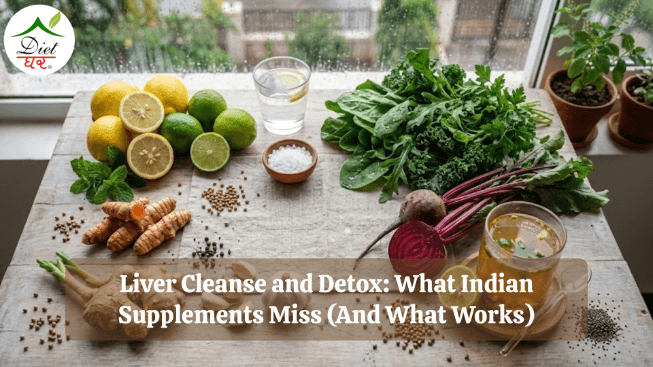
Your Liver Cleans Itself: What the Detox Shelf Will Not Tell You
Walk into any Indian chemist or Ayurvedic shop and you will find an entire shelf dedicated to "liver tonics," "liver cleansers," "detox powders," and "liver health supplements." Liv-52, Himalaya LiverCare, Silymarin combinations, hepatoprotective syrups, these products are heavily marketed with urgent language: "flush out toxins," "cleanse your liver," "detoxify."
Here is what the ads leave out: a healthy liver does not need to be cleansed. It is the body's main processing organ, and it works day and night to break down and clear many substances, without any supplement's help.
This does not mean liver health is unimportant. Non-alcoholic fatty liver disease (NAFLD), linked with excess calories, refined carbohydrates and insulin resistance, is common in India, and some studies suggest it affects a large share of adults. In some people it can progress to serious liver damage. What helps most is diet and lifestyle change, guided by your doctor, not detox supplements.
Non-Alcoholic Fatty Liver Disease: A Common and Often Silent Condition
NAFLD is the accumulation of fat in liver cells not caused by alcohol. It exists on a spectrum: simple fat accumulation can, in some people, progress to inflammation (NASH), scarring and cirrhosis.
Why are so many Indians affected?
- Diets high in refined carbohydrates (white rice, maida, sugar) and sweetened drinks are linked with more fat in the liver
- Insulin resistance, which is common in Indians, is linked with fat building up in the liver
- Deep-fried and heavily processed foods add excess calories
- Sedentary lifestyles make weight gain easier
- Many Indians carry fat around the belly and organs even at a normal BMI
NAFLD is often silent for years. If an ultrasound shows "fatty liver", do not ignore it: talk to your doctor and take it as a prompt to look at diet, weight and activity.
What Genuinely Supports Liver Health
Gradual Weight Loss
For people with fatty liver who are overweight, losing a modest share of body weight, often cited as 5 to 10 percent, has been shown to reduce liver fat. This is among the best-supported steps, and no supplement does the same. Aim for slow loss, since crash diets can backfire.
Reducing Fructose and Refined Carbohydrates
Large amounts of added sugar and sweetened drinks are linked with fat in the liver. Common sources are sugar in chai, sweets and desserts, and packaged cold drinks and juices.
Cutting down sugar, sweetened drinks and refined carbohydrates is one of the most direct dietary steps. Big portions of white rice and maida foods can add to the problem too.
Coffee
Some observational studies link regular coffee with a lower risk of liver scarring. This does not prove cause and effect, and coffee is not for everyone, for example if it disturbs sleep, causes acidity or you are pregnant. If you already drink it, filter coffee or black coffee without much sugar is the better way.
Olive Oil and Mustard Oil
Mediterranean-style eating, which uses olive oil and plenty of vegetables, legumes and fish, has been shown in studies to reduce liver fat. You do not need to import olive oil: using any oil in modest amounts and cooking at home matters more than the brand. Vary your cooking oils and measure them by the spoon.
Foods High in Choline
Choline is a nutrient the liver uses to handle fat, and severe deficiency can cause fat to build up. Food sources include eggs, fish, chicken and soybean. Eggs are an affordable source for those who eat them, but if you have high cholesterol, ask your doctor how many are right for you.
Cruciferous Vegetables
Cabbage, cauliflower and broccoli are good vegetables with fibre and plant compounds. Lab studies suggest they may support the liver's own enzymes, but human evidence is limited. Eat them because they are healthy, cheap and in season.
Turmeric
Turmeric is part of daily Indian cooking and is fine to keep using. Some small studies have tested curcumin supplements in fatty liver with mixed results, and high-dose turmeric supplements have been linked to liver injury in rare cases, so check with your doctor before taking them.
Green Tea
Green tea is a fine unsweetened drink. Concentrated green tea extract supplements, however, have been linked to liver problems in some people, so avoid them without medical advice.
Adequate Fibre
Fibre from dal, vegetables, fruit and whole grains helps you feel full and supports blood sugar control, both useful when you are working on liver fat.
What About the Supplements? Honest Assessment
Milk Thistle (Silymarin)
Silymarin, from milk thistle, has been studied for liver conditions, but evidence of a clear benefit in fatty liver in people is inconsistent. It does not substitute for the dietary changes above, and you should ask your doctor before using it, especially if you take other medicines.
Liv-52 and Similar Herbal Combinations
These products contain Ayurvedic herbs traditionally used for the liver. Strong clinical trial evidence for commercial formulations in fatty liver is limited. Do not rely on them instead of diet changes and medical care, and tell your doctor if you are taking any.
B-vitamins for Liver Health
B vitamins matter for the body in general. A varied diet with enough protein usually covers them, and supplements make sense when a test shows a deficiency.
The Practical Liver-Supporting Indian Diet
- Replace refined carbohydrates with millets, whole grains, and vegetables
- Reduce added sugar, particularly in beverages
- Include protein foods like eggs, dal, fish or paneer daily
- Keep tea and coffee low in sugar
- Include gobhi, broccoli and band gobhi through the week
- Use haldi in everyday cooking as usual
- Include dal or legumes at most meals for fibre
- Use oil in measured amounts and cook at home more often
- Limit or avoid alcohol, which can damage the liver
- Achieve and maintain a healthy body weight
The liver can recover well when the load on it is reduced, with less sugar and refined carbohydrate, a healthy weight and less alcohol. How much it recovers depends on the person, so follow your doctor's advice and tests.
You might also like
Sources: ICMR-NIN Dietary Guidelines for Indians; Indian Food Composition Tables 2017 (ICMR-NIN); WHO; Indian National Association for Study of the Liver (INASL) guidance on fatty liver. Supplement evidence is limited and mixed.
FAQ
Does a liver detox or cleanse work?
A healthy liver clears waste on its own, and there is no good evidence that detox drinks or powders improve it. Diet, weight, activity and limiting alcohol matter more.
What helps fatty liver?
Gradual weight loss if you are overweight, less sugar and refined carbohydrate, more fibre, regular activity and little or no alcohol. Your doctor will guide treatment.
Are liver tonics like Liv-52 or milk thistle useful?
Evidence in fatty liver is limited or inconsistent. Do not use them instead of diet changes, and tell your doctor before taking them.
Is turmeric or green tea extract safe for the liver?
Turmeric in cooking is fine. Concentrated turmeric or green tea extract supplements have been linked to liver injury in rare cases, so check with your doctor first.
Sources
- Dietary Guidelines for Indians 2024, ICMR National Institute of Nutrition (NIN), Hyderabad
- Indian Food Composition Tables (IFCT) 2017, ICMR National Institute of Nutrition (NIN), Hyderabad
- Healthy diet (fact sheet), World Health Organization
Get Your Personalized Diet Plan Today!
This article provides general information about nutrition and diet planning. Download the DietGhar app for a customized Indian diet plan tailored to your body type, health goals, and food preferences: with daily tracking and expert support.
About the Author
Written by The DietGhar Team nutritionists, helping clients since 2016 with personalised Indian diet plans. How our nutritionists work
Popular guides
Diet plans
Articles
- PCOS and PCOD diet plan, 7-day Indian meal plan
- Insulin resistance diet for Indians
- PCOS acne and skin: diet changes
- Indian keto diet for beginners
- Stress eating and cortisol
- Gluten-free Indian food for celiac disease
- Nutrition for Indians over 60
- South Indian diet for weight loss
- North Indian diet makeover
- Breastfeeding diet chart
- Winter diet and immunity foods
- Best Indian foods for hair growth
- Why crash diets fail
Find a Dietitian Near You
Get personalized nutrition plans from qualified nutritionists in your city. Online consultations available across India.

