
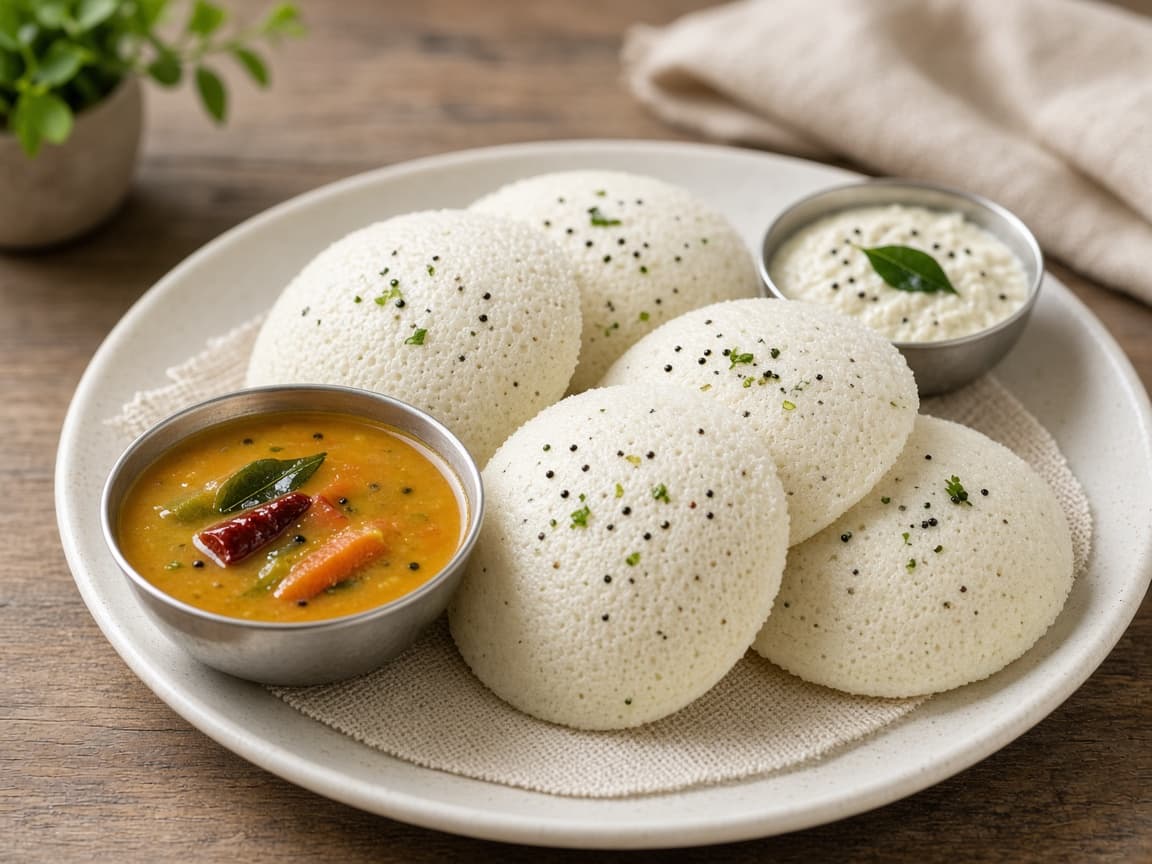
DietGhar Poha Aval Idli
A wholesome Indian recipe crafted for health-conscious eating: nutritious, delicious, and easy to make at home.
Poha idli, also called aval idli, is a soft, cloud-like South Indian breakfast where flattened rice joins the classic rice-and-urad-dal batter. The poha brings a gentle sweetness and a featherlight crumb, while natural fermentation does the heavy lifting, so you need almost no oil to get pillowy idlis. This is DietGhar's own take: a measured, fuss-free method with a gut-friendly fermentation window and a smart salt-timing trick for a reliably soft result.
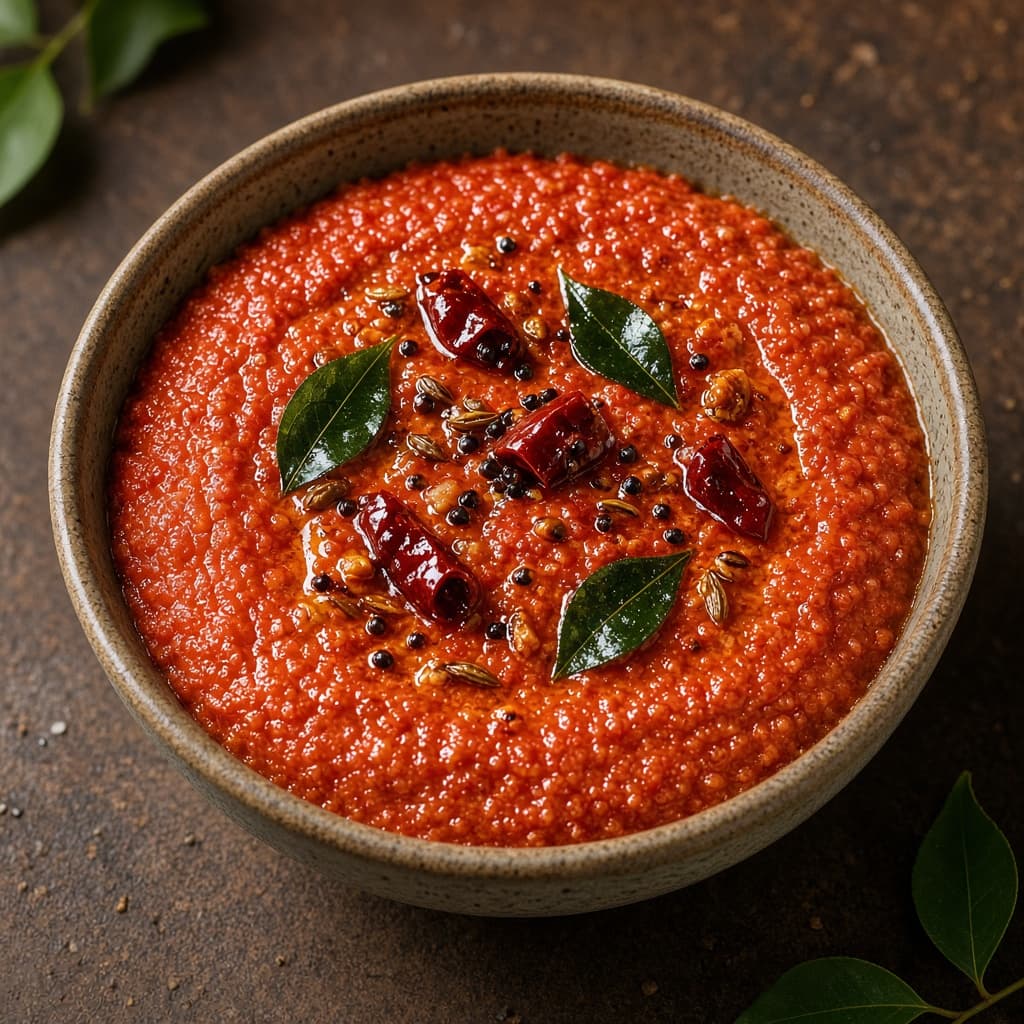
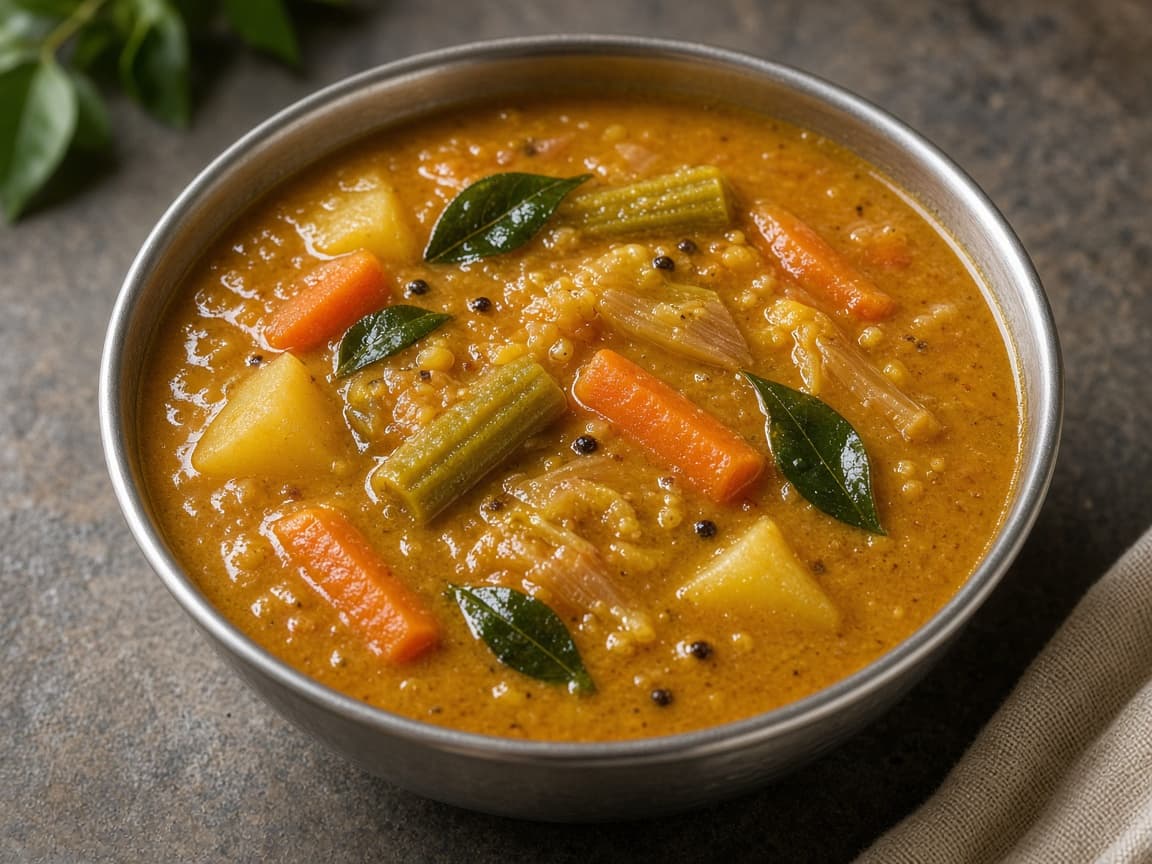
Serve these steamed cakes with coconut chutney and a light vegetable sambar for a balanced, fibre-aware morning meal.
Ingredients
How to Make It
Rinse the idli rice, urad dal and methi seeds together two or three times until the water runs mostly clear. Drain, then soak in 2.5 cups of fresh water for 5 to 6 hours.
About 15 minutes before grinding, rinse the thick poha once or twice in a separate bowl, drain, and stir it into the soaked rice-dal mixture so it softens evenly.
Drain the soaked ingredients, reserving the soaking water. Add half the mixture to a wet grinder or heavy blender jar with about 1/2 cup of the reserved water and grind.
Grind until the batter is smooth but slightly grainy, like fine semolina, not a paste. Repeat with the second batch, using the remaining water gradually. Do not let the grinder jar get hot; pause if needed.
Combine both batches in a large bowl. Add rock salt and sugar (if using) and mix with clean hands for a minute to aerate the batter.
Cover and ferment in a warm spot for 8 to 10 hours, or until the batter rises, looks airy and smells pleasantly tangy. In cold weather, place the bowl in an oven with the light on or near a warm spot.
Once fermented, gently stir the batter. If it looks sluggish or did not rise well, sprinkle in the baking soda and fold it in lightly.
Grease the idli plates with a few drops of oil. Pour the batter into the moulds, filling each about three-quarters full.
Bring 2 to 2.5 cups of water to a boil in a steamer, electric cooker or pressure cooker (without the whistle). Place the idli stand inside, cover, and steam for 12 to 15 minutes.
Check with a toothpick; it should come out clean. Let the idlis rest for 1 to 2 minutes, then loosen them with a wet spoon. Serve hot.
Nutrition per serving
* Approximate values per serving
Health Benefits
Fermented batters like this one are easier on the gut because the natural fermentation partially breaks down starches and phytic acid, which can improve mineral absorption. Steaming keeps the fat content very low, making this a heart-friendly and weight-conscious choice compared to fried breakfasts. The urad dal adds plant protein, and the poha contributes easily digestible carbohydrates for steady morning energy. With no added oil beyond a light greasing, it fits neatly into diabetic-friendly and PCOS-aware meal plans when portioned sensibly and paired with protein-rich chutney or sambar.
Pro Tips
- →Use thick poha, not thin, or the batter can turn sticky and the idlis dense.
- →Add salt only after grinding; salting during soaking can slow fermentation.
- →Fermentation time depends on climate. In summer, 6 to 8 hours may be enough; in winter, give it 10 to 12 hours.
- →Grind the batter to a slightly grainy texture, not a smooth paste, for idlis that hold their shape.
- →A warm, draught-free spot ferments batter best; avoid placing it near an open window.
- →If the batter smells sharp or sour, it has over-fermented; stir in a pinch of baking soda and steam immediately.
Variations
- 1Poha rava idli: replace half the idli rice with coarse rava for a slightly firmer bite.
- 2Millet poha idli: swap half the idli rice with foxtail or little millet for extra fibre.
- 3Vegetable aval idli: fold in grated carrot, chopped coriander and a few curry leaves before steaming.
- 4Oats poha idli: blend in 1/2 cup rolled oats with the rice for a higher-fibre version.
- 5Spicy podi idli: toss leftover idlis in a little sesame oil with idli podi for a quick snack.
Frequently Asked Questions
You Might Also Like
Get a Personalised Diet Plan
4.9★ on Google • 7,000+ clients helped

