Urad Dal Khichdi for Postpartum Recovery: Protein-Rich Healing Comfort Food
A wholesome Indian recipe crafted for health-conscious eating: nutritious, delicious, and easy to make at home.
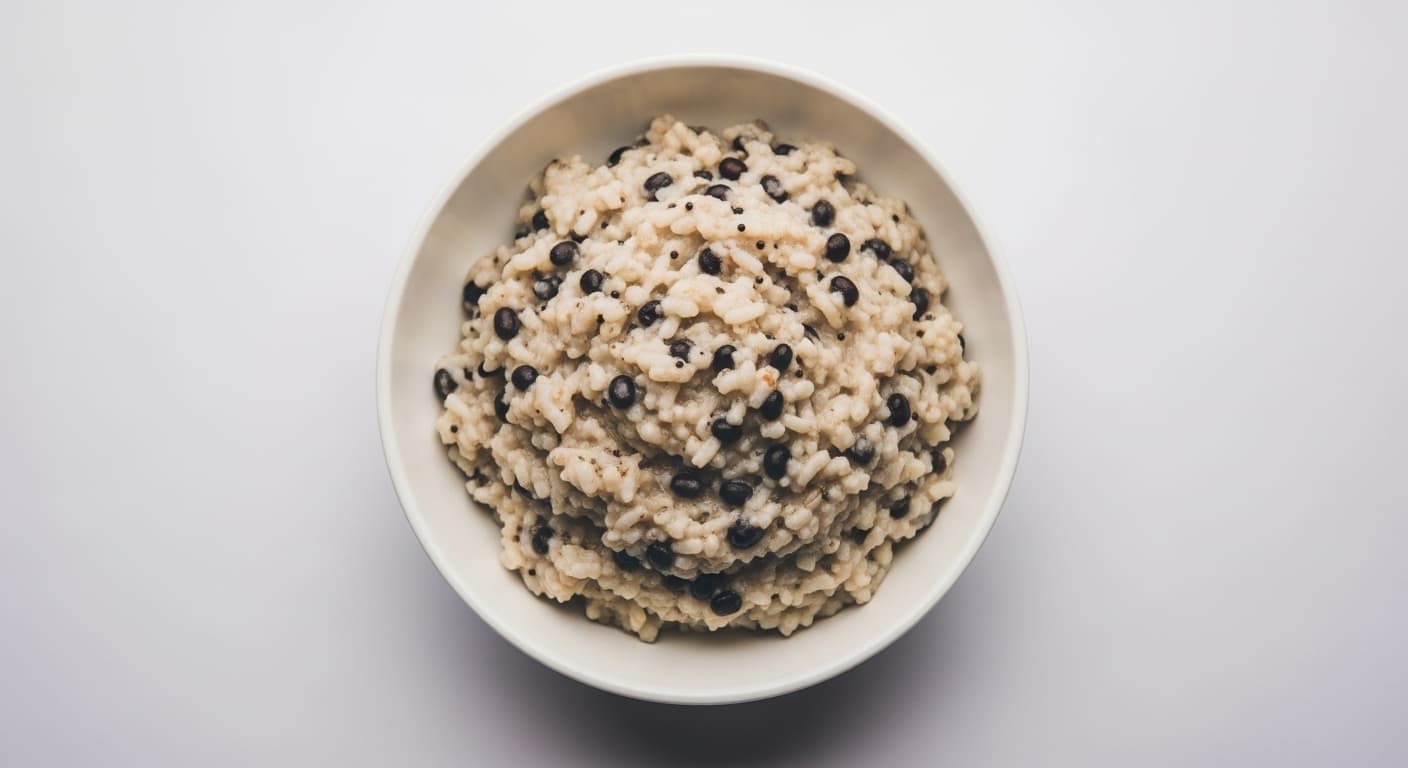
Urad dal (black gram) holds a special place in postpartum nutrition across both North and South India, it's the primary ingredient in dodhaki (Rajasthan), dal khichdi (Punjab), and the urad dal preparations that Ayurvedic physicians prescribe for new mothers. The reason is straightforward: urad dal is exceptionally rich in protein (26g per 100g: higher than most other pulses), calcium (138mg per 100g), iron, and B vitamins including folate. All of these are critically depleted after childbirth and during breastfeeding.
This khichdi uses white urad dal (skinless) for maximum digestibility, whole black urad is too heavy for immediate postpartum digestion. The combination with rice creates a complete protein with excellent amino acid balance. The ghee-hing-jeera tadka serves both therapeutic and culinary purposes: ghee lubricates and supports digestive function, hing prevents postpartum gas, and jeera stimulates digestive enzyme production.
Ingredients
How to Make It
Rinse urad dal and rice together 3 times.
Heat ghee in a pressure cooker. Add cumin seeds and hing. Let them splutter.
Add grated ginger. Sauté for 1 minute.
Add the rice-dal mixture and turmeric. Stir to coat with the ghee and spices.
Add 4 to 5 cups of water and salt. Stir well.
Pressure cook for 5 whistles on medium heat, urad dal takes longer to cook than moong dal.
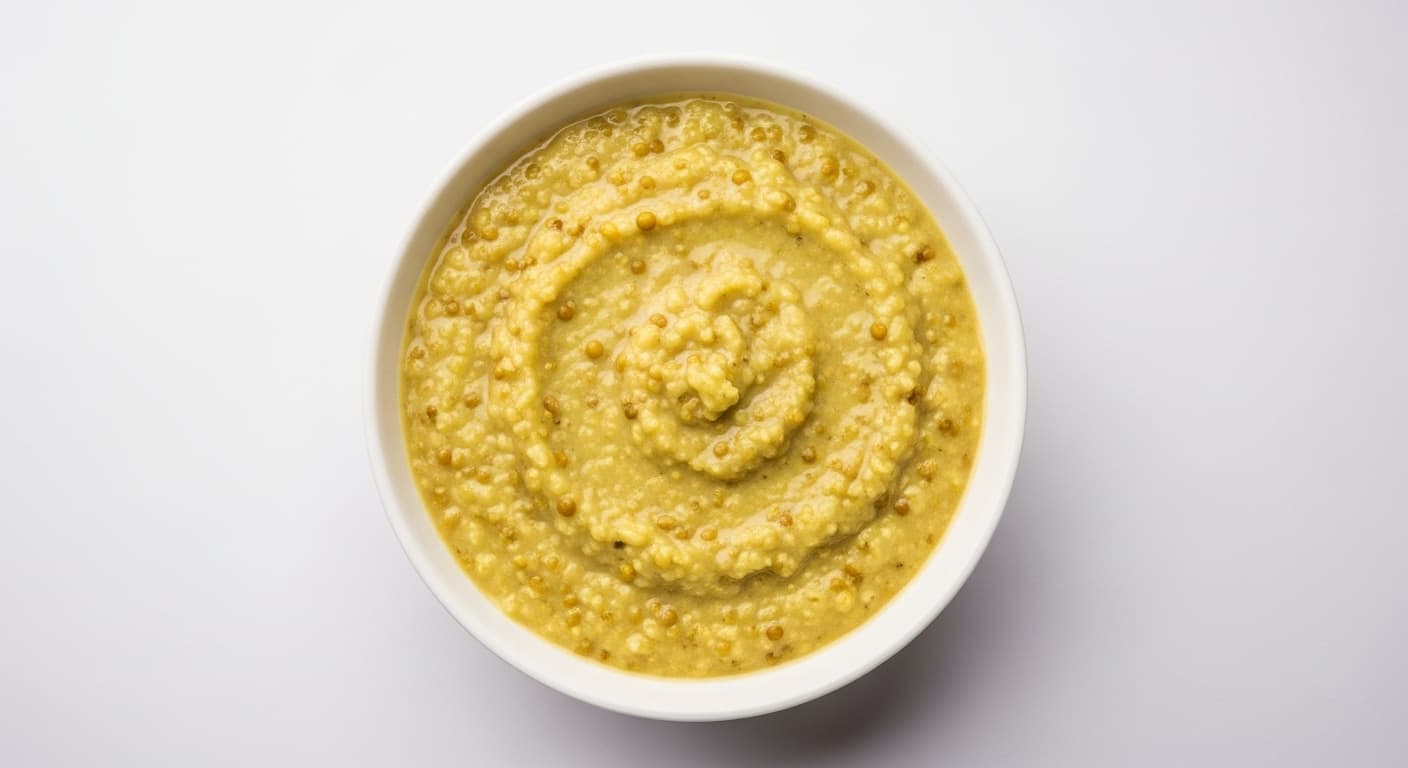
Let pressure release naturally. Open and stir: the khichdi should be very soft and creamy.
Add a small drizzle of ghee on top before serving. Garnish with coriander.
Serve warm, not hot. For the first week postpartum, a thinner consistency (more water) is more comfortable on the recovering digestive system.
Nutrition per serving
* Approximate values per serving
Health Benefits
Urad dal's exceptional calcium content (138mg per 100g) supports the mother's bone density as calcium transfers heavily into breast milk. The high iron content (7.6mg per 100g: comparable to red meat) addresses the severe postpartum anaemia that affects up to 50 percent of Indian women after delivery. Folate in urad dal (190mcg per 100g) remains important postpartum for cell renewal and tissue repair. The protein (26g per 100g) provides the amino acids needed to heal surgical wounds after C-section, repair the birth canal, and produce breast milk protein. Ghee in the tadka provides butyrate for gut healing and fat-soluble vitamins A and K2 that pass through to breast milk and support infant bone development.
Pro Tips
- →Use white (skinless) urad dal rather than whole black gram, whole black urad is heavy and harder to digest during early postpartum recovery.
- →The ghee quantity here is slightly more than in a regular khichdi, this is intentional. Postpartum Ayurvedic practice emphasises adequate ghee for joint lubrication and digestive support.
- →Make a larger batch and refrigerate, this khichdi reheats beautifully with a splash of water. Having it ready reduces the cooking burden on new mothers and their families.
- →From the second week postpartum, add seasonal vegetables (lauki, carrot, spinach) for additional micronutrients as digestion strengthens.
Variations
- 1Add ½ cup methi leaves in the last 5 minutes of cooking for a combined urad-methi khichdi, excellent for lactation and blood sugar management.
- 2Urad-moong mixed dal khichdi at a 1:1 ratio is even more digestible while maintaining the protein and mineral benefits.
- 3For the first 3 to 5 days postpartum: make the khichdi without any vegetables and with extra water (congee-like consistency): extremely easy on the recovering digestive system.
Frequently Asked Questions
You Might Also Like
Get a Personalised Diet Plan
4.9★ on Google • 7,000+ clients helped

