
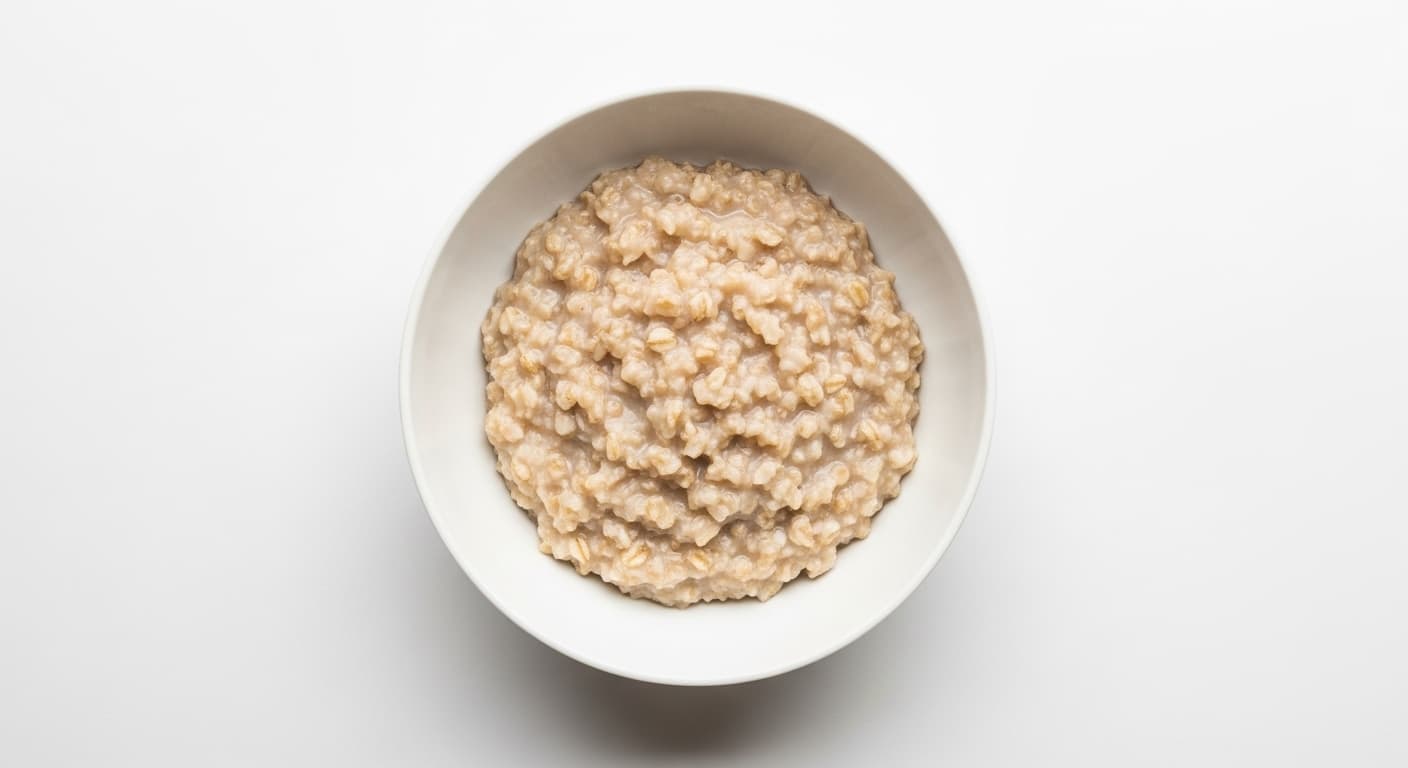
Heart-Healthy Oats Daliya Breakfast: Beta-Glucan for Cholesterol Management
A wholesome Indian recipe crafted for health-conscious eating: nutritious, delicious, and easy to make at home.
Here's something worth knowing: the American Heart Association, the European Society of Cardiology, and the Indian Heart Association all endorse oats for heart health, and the reason is very specific. Oats contain beta-glucan, a soluble fibre that binds to bile acids in the intestine and forces your body to pull LDL cholesterol from circulation to make fresh bile acids. Essentially, it drags bad cholesterol out of your blood. Clinical studies consistently show that 3g of beta-glucan daily, which you get from one bowl of this daliya, reduces LDL cholesterol by 5-10% within 4-8 weeks.
This recipe pairs oats with broken wheat (daliya) for extra fibre and a more satisfying, substantial texture. The result is something that genuinely feels like comfort food (warm, slightly nutty, mildly spiced) while being one of the most evidence-backed heart-protective breakfasts in Indian cooking. Pair it with a small katori of low-fat curd and you have a complete meal that keeps you full until lunch without any effort.
Ingredients
How to Make It
Dry roast the broken wheat in a pan for 3-4 minutes until it smells nutty and turns slightly golden. Add oats and roast together for 1 more minute. Set aside.
Heat oil in the same pan. Add mustard seeds and cumin seeds. When they splutter, add curry leaves.
Add onion, green chilli, and ginger. Cook 3-4 minutes until the onion turns soft.
Add tomato, carrot, and peas. Cook 3-4 minutes, stirring occasionally.
Add turmeric and salt. Mix well.
Add 2 cups water and bring to a boil.
Add the roasted oats-daliya mixture. Stir well, then reduce heat to low.
Cover and cook 8-10 minutes, stirring every couple of minutes to prevent sticking, until the water is absorbed and everything is soft but not mushy.
Add lemon juice, mix well. Serve hot.
Nutrition per serving
* Approximate values per serving
Health Benefits
This oats-daliya combination gives you 7g of dietary fibre per serving, including 2.5-3g of the cholesterol-lowering beta-glucan from the oats. If you eat this consistently every day, clinical studies show measurable LDL reduction within 6 weeks, we're talking an average of 8%, which is genuinely meaningful for cardiovascular risk. The broken wheat adds insoluble fibre on top of that, which improves gut transit and reduces bile acid reabsorption, amplifying the cholesterol-lowering effect further. Carrots bring pectin (another soluble fibre with LDL-lowering properties) and beta-carotene, which prevents LDL oxidation, and it's oxidised LDL, not total LDL, that actually deposits in arterial walls. Honestly, this is one of the most scientifically validated heart-protective Indian breakfasts you can make.
Pro Tips
- →Dry roasting is non-negotiable, it dramatically improves flavour and prevents the grains from turning into a mushy paste.
- →Use rolled oats, not instant oats. Instant oats have a higher glycaemic index and lower beta-glucan content per gram.
- →Add a tablespoon of ground flaxseed at the end for additional ALA omega-3, the combined effect on cardiovascular markers is better than either alone.
- →Once you add the grains, keep the heat low and the lid on. High heat after this point ruins the texture.
Variations
- 1Top with 2 tbsp chopped walnuts, walnuts bring ALA omega-3 that works alongside beta-glucan for more comprehensive lipid management.
- 2For a sweet breakfast version: cook with milk instead of water, add jaggery, cinnamon, and cardamom, a proper porridge-style breakfast that still delivers the same cholesterol-lowering benefit.
- 3Stir in ½ cup chopped spinach with the vegetables for an iron and magnesium boost that adds to the heart health picture.
Frequently Asked Questions
You Might Also Like
Get a Personalised Diet Plan
4.9★ on Google • 7,000+ clients helped

