
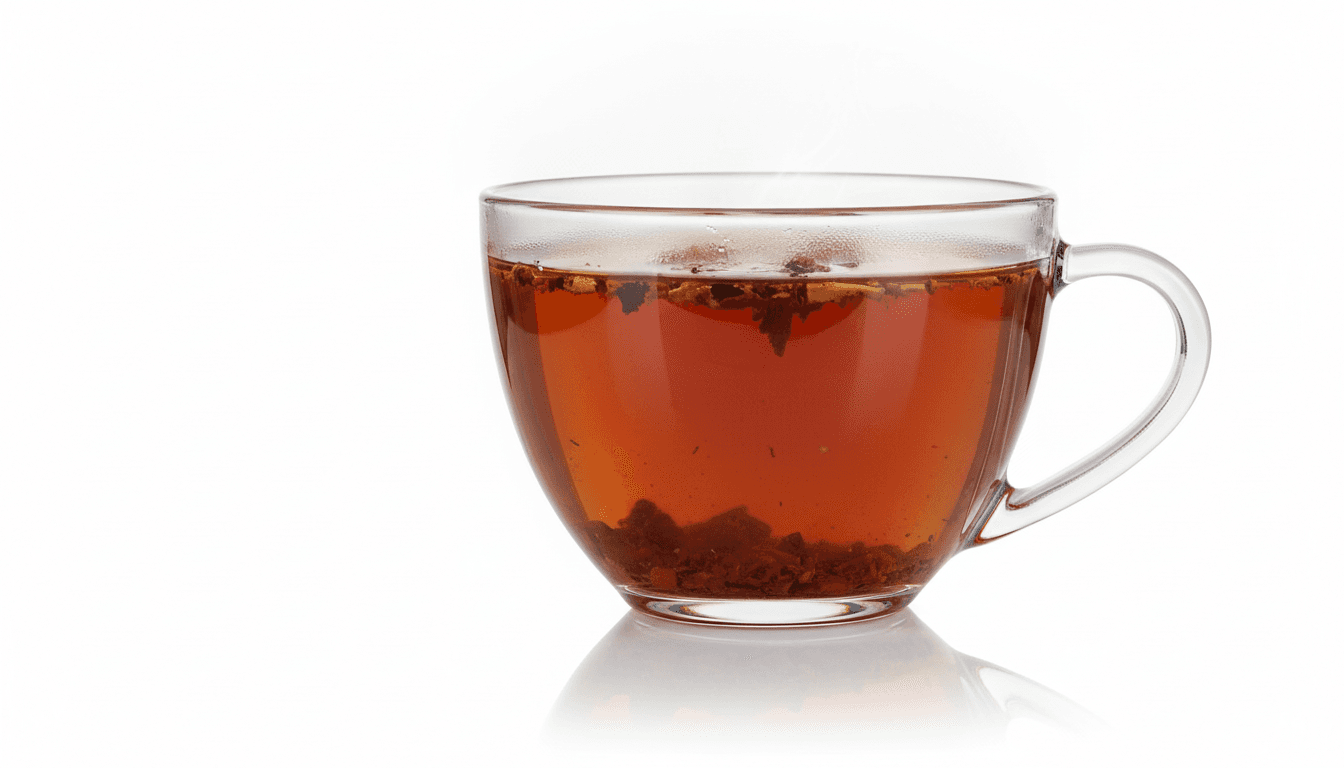
Arjuna Bark Cinnamon Tea for Heart Health: The Ancient Cardiotonic
A wholesome Indian recipe crafted for health-conscious eating: nutritious, delicious, and easy to make at home.
Arjuna (Terminalia arjuna) bark has been used in Ayurvedic medicine for cardiac health for over 3,000 years, and it's one of the very few traditional remedies that has actually held up in modern clinical trials. Multiple randomised controlled trials published in peer-reviewed cardiology journals confirm that arjuna bark extract significantly reduces systolic blood pressure, improves left ventricular function, reduces anginal frequency, and lowers LDL cholesterol. The active compounds (arjunic acid, arjunolic acid, and arjunetin) strengthen the heart muscle cells and have antioxidant effects specifically in cardiac tissue. This isn't just folklore; there's real science behind it.
This tea combines arjuna bark powder with cinnamon (which has blood sugar and cholesterol benefits), cardamom (which reduces arterial stiffness), and a small amount of milk, a traditional preparation known as Arjuna Kshirapaka in Ayurveda. Drinking it daily as a morning or evening ritual is honestly one of the simplest things a person with heart disease, high blood pressure, or a strong family history of cardiac problems can do nutritionally to support their heart.
Ingredients
How to Make It
Add arjuna bark powder, cinnamon stick, and cardamom pods to 1.5 cups of water in a small saucepan.
Bring to a gentle boil, then reduce to a simmer. Let it simmer for 8-10 minutes, the water will reduce slightly and turn a deep reddish-brown colour.
If using milk: add the low-fat milk and bring back to a gentle simmer for 2 minutes.
Strain through a fine sieve or muslin cloth into cups, pressing the sediment to extract maximum active compounds.
If using honey, add it once the tea has cooled below 60°C, adding honey to boiling liquid destroys some of its beneficial enzymes.
Drink warm. Best taken first thing in the morning on an empty stomach, or in the evening 30-60 minutes after dinner.
Nutrition per serving
* Approximate values per serving
Health Benefits
Arjuna bark is classified as a hridya (heart tonic) in Ayurveda, and for good reason. Its saponins and glycosides improve cardiac contractility without increasing heart rate, which is a combination most cardiac drugs struggle to achieve. Clinical research shows arjuna bark extract reduces systolic blood pressure by 8-15 mmHg in patients with mild hypertension, and reduces total cholesterol by 9.7% and LDL by 15.8% over three months. For patients with stable angina, arjuna supplementation has been shown to significantly reduce how often anginal episodes occur. Cinnamon in this tea adds complementary blood pressure reduction and insulin sensitivity improvement. Cardamom brings vasodilatory compounds that further support blood pressure management. It's a genuinely powerful combination.
Pro Tips
- →Simmer gently, don't boil aggressively: vigorous boiling destroys some of the heat-sensitive glycosides. A gentle simmer for 8-10 minutes is what you're aiming for.
- →Arjuna bark powder is available at all Ayurvedic pharmacies and online, it costs roughly ₹60-100 per 100g. Store in an airtight jar away from light and moisture.
- →If you're already on antihypertensive medications, monitor your blood pressure carefully when you start this tea, the additive effects can lower blood pressure more than expected. Start with half a teaspoon and discuss with your cardiologist.
- →The traditional milk preparation (Arjuna Kshirapaka) uses more milk and creates a richer, more soothing drink, use full-fat milk for this version and have it earlier in the day.
Variations
- 1Add ¼ tsp ashwagandha powder to the tea, ashwagandha complements arjuna with stress-reducing adaptogenic effects that lower cortisol-driven blood pressure elevation.
- 2Arjuna-Garlic tea: add 2 thin slices of garlic while simmering, garlic's allicin adds vasodilatory and cholesterol-lowering benefits on top of the arjuna.
- 3Cold decoction for summer: make a double-strength tea, strain, cool, and refrigerate. Drink a quarter cup cold daily, the active compounds remain stable in a cold decoction.
Frequently Asked Questions
You Might Also Like
Get a Personalised Diet Plan
4.9★ on Google • 7,000+ clients helped

