Mixed Millet Vegetable Khichdi: The Most Nutritious One-Pot Indian Meal
A wholesome Indian recipe crafted for health-conscious eating: nutritious, delicious, and easy to make at home.
India is the world's largest producer of millets, yet they've been largely replaced by rice and wheat in modern Indian diets, a nutritional regression that public health experts have been working to reverse. Millets are significantly better than rice and wheat in almost every nutritional dimension: higher iron, higher calcium, higher fibre, lower GI, and more diverse phytonutrients. The UN's declaration of the International Year of Millets in 2023 (led by India) brought long-overdue attention back to these grains.
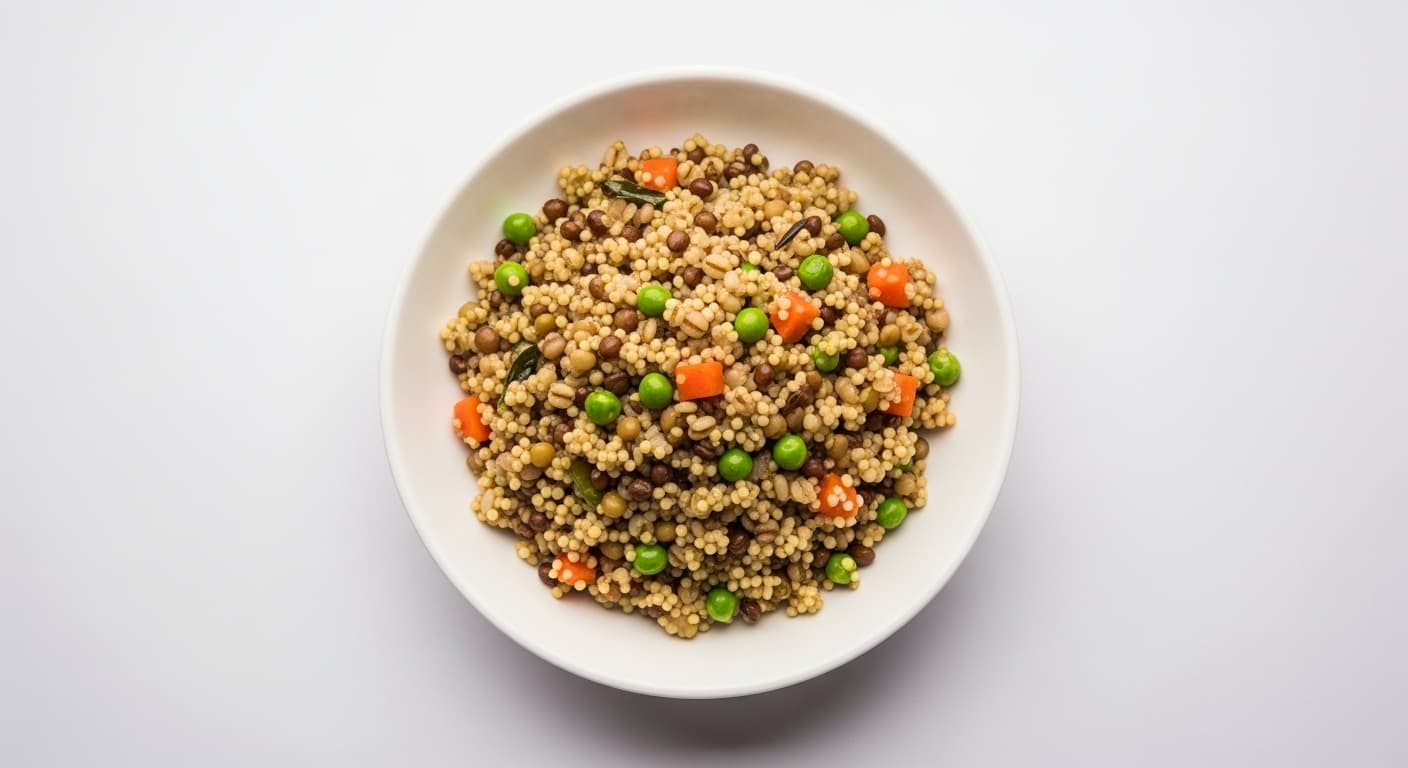
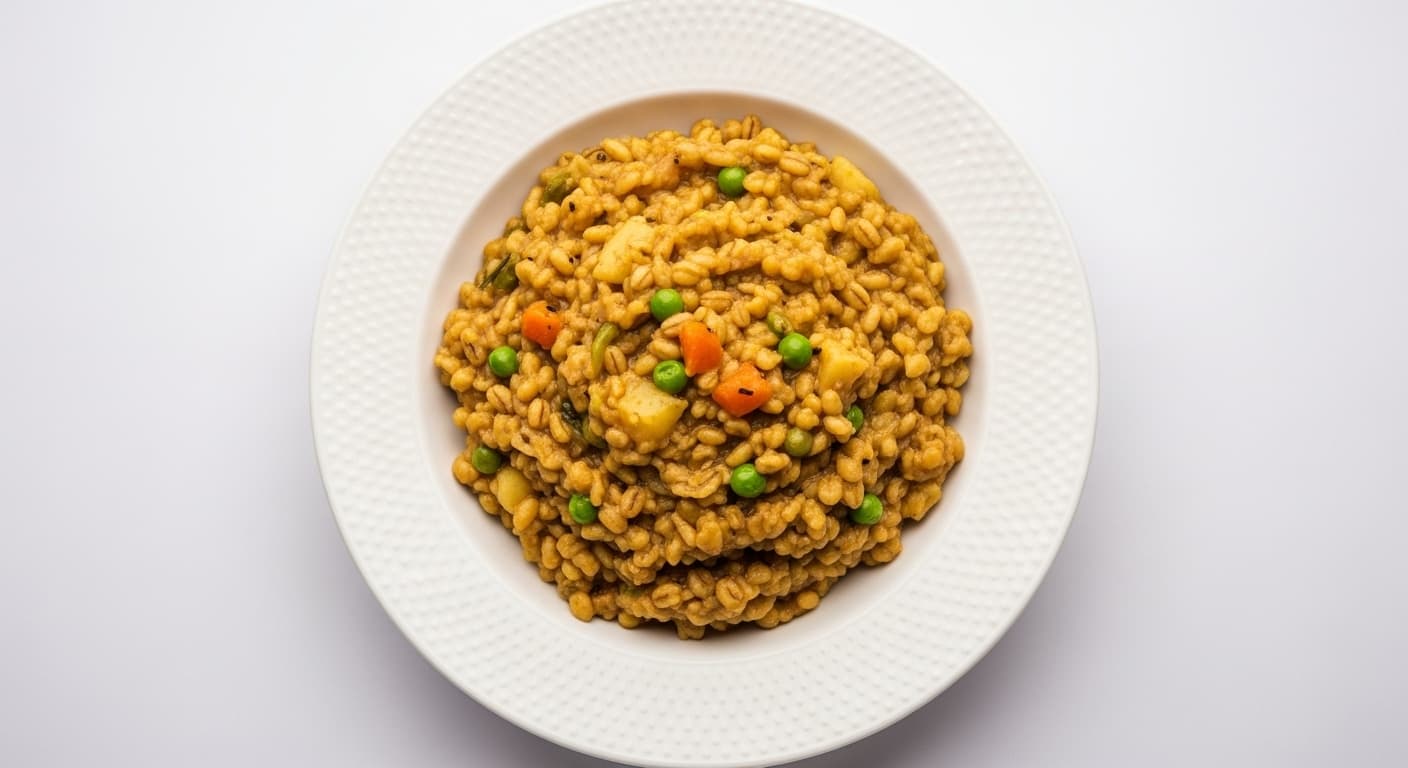
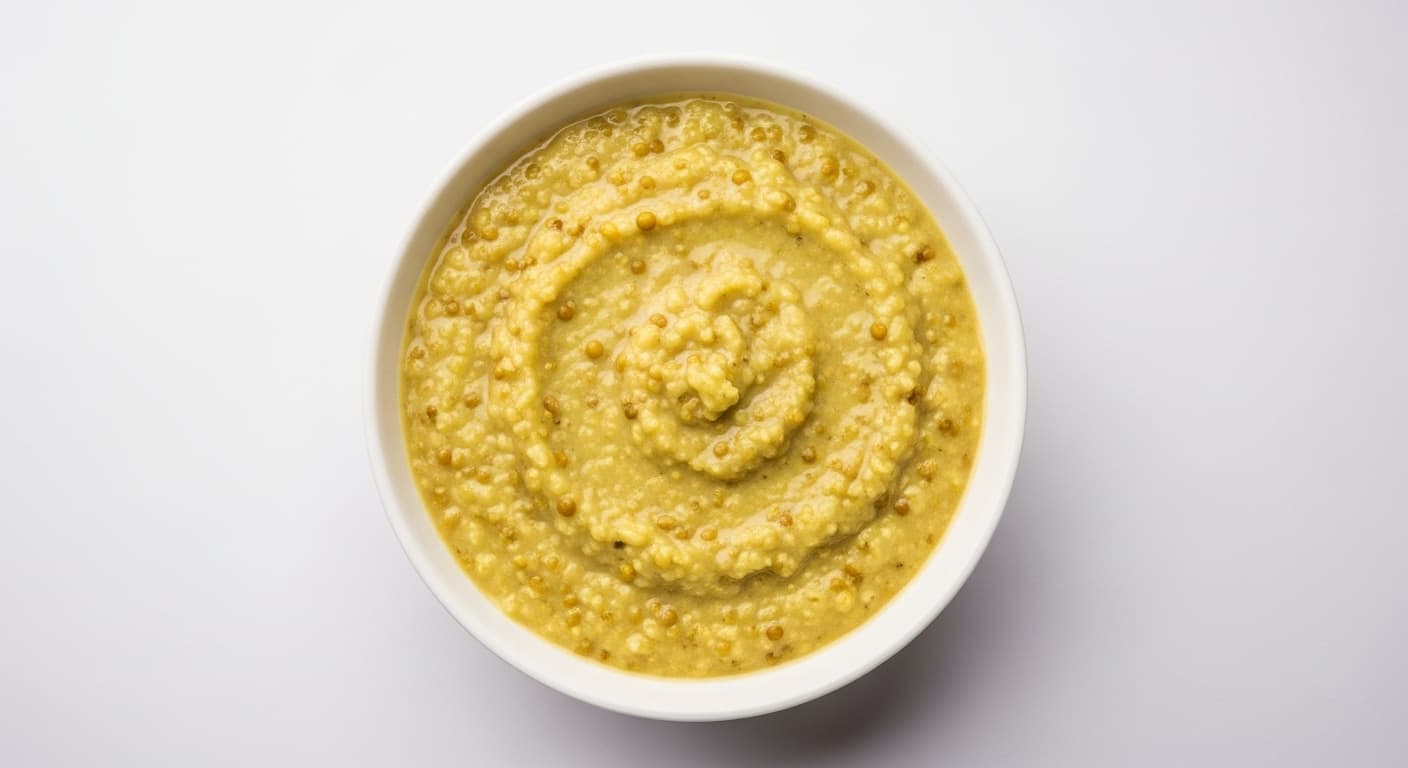
This mixed millet khichdi uses three millets (jowar, bajra, and ragi) alongside moong dal and seasonal vegetables. Each millet brings something different: jowar provides iron and policosanols; bajra provides zinc and iron; ragi provides the highest calcium of any grain. Together, the three create a mineral-rich base that surpasses any single grain. Pressure cooking with moong dal and ghee produces a one-pot complete meal that is genuinely more nutritious than standard rice khichdi while tasting equally satisfying.
Ingredients
How to Make It
Soak jowar and bajra overnight separately (or together). They need 8 to 12 hours of soaking to soften enough for pressure cooking.
Rinse soaked millets and moong dal. Combine in a bowl.
Heat ghee in a pressure cooker. Add cumin seeds and hing. When they splutter, add onion and ginger-garlic paste. Cook until golden, about 5 minutes.
Add tomato and cook until soft, 4 to 5 minutes. Add turmeric and coriander powder.
Add the millet-dal mixture. Stir to coat well with the masala.
Add carrots, beans, peas, and 4 to 5 cups water. Add salt. Mix well.
Pressure cook for 5 to 6 whistles on medium heat, millets need more cooking than rice. Let pressure release naturally.
If using ragi flour: after opening the cooker, sprinkle ragi flour over the top and stir in. Simmer for 5 minutes, ragi flour cooks quickly.
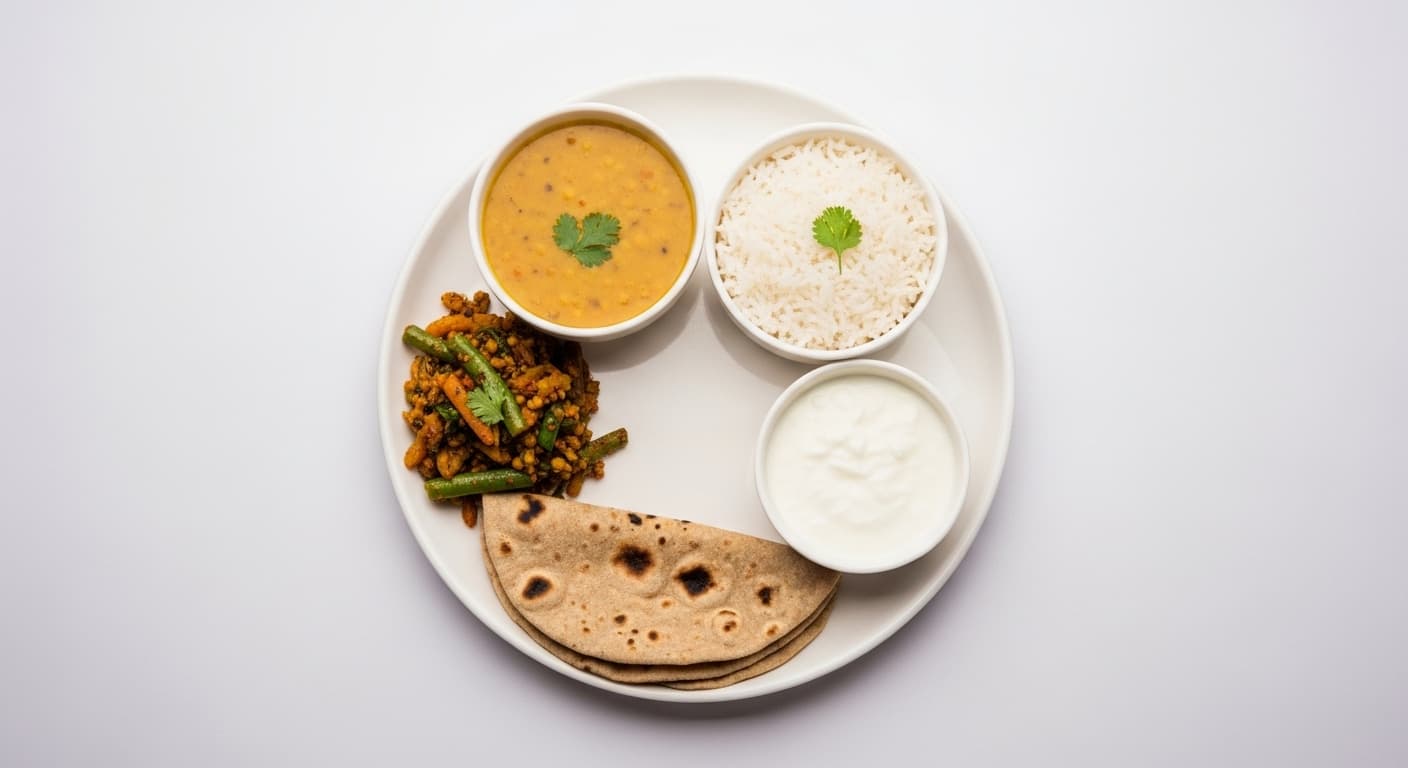
Add spinach and stir in. Add garam masala. Adjust salt and consistency. Serve with low-fat curd and pickle.
Nutrition per serving
* Approximate values per serving
Health Benefits
This millet khichdi is the most mineral-dense version of the dish possible. Jowar, bajra, and ragi together provide a broader mineral spectrum than any single grain: jowar adds iron and policosanols (cholesterol-lowering plant fats); bajra adds zinc (2.7mg per 100g, the highest of any grain) and magnesium; ragi adds calcium (344mg per 100g). The combined GI of the three millets averages around 54 to 58, significantly lower than white rice (73) and comparable to oats. That matters for blood sugar management, insulin sensitivity, and weight control. Mixed vegetables add antioxidants across multiple colour spectrums, and the moong dal protein creates a complete amino acid profile alongside the grain proteins.
Pro Tips
- →Overnight soaking is non-negotiable for whole millet grains, they are very hard and won't cook through without it, even in a pressure cooker.
- →Five to six whistles in a pressure cooker is the right cooking time for millets. Don't rush this.
- →After opening the cooker, jowar and bajra should be completely soft and chewable. If they're still hard, close the cooker and give it 2 to 3 more whistles.
- →For the ragi flour version: adding it after pressure cooking and simmering for 5 minutes is far easier than using whole ragi grains, which are extremely small and cook differently.
Variations
- 1Single-millet version: Use 1 cup of a single millet (jowar or bajra) instead of three: simpler to prepare, still nutritionally excellent.
- 2Khichdi pongal style: Use jowar plus moong dal without vegetables, with a generous ghee-black pepper tadka, traditional Pongal festival preparation.
- 3Add ½ cup horse gram (kulthi dal) for a higher-protein, metabolism-boosting khichdi, especially beneficial for weight management and kidney stones.
Frequently Asked Questions
You Might Also Like
Get a Personalised Diet Plan
4.9★ on Google • 7,000+ clients helped

