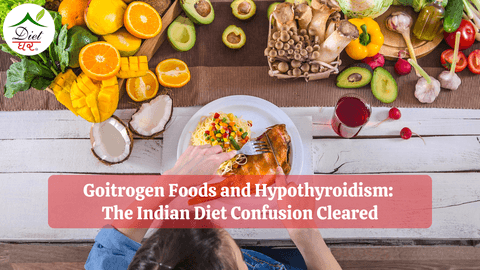
Goitrogen Foods and Hypothyroidism: The Indian Diet Confusion Cleared
The WhatsApp Forward That Scared Millions
If you have hypothyroidism in India, someone has almost certainly sent you a message listing all the foods you must "strictly avoid": cabbage, cauliflower, broccoli, soya, bajra, radish, mustard. The message arrives with great urgency and the word "strictly" appears multiple times. It has been shared so many times on WhatsApp and Facebook that many Indian hypothyroid patients believe avoiding these foods is as important as taking their medication.
Most of this advice is wrong, or at minimum, dramatically overstated. The reality of goitrogens. The compounds in these foods that can theoretically affect thyroid function, is considerably more nuanced than any WhatsApp forward acknowledges. And the fear of these foods is causing real harm: patients are avoiding nutritious vegetables and grains that could significantly improve their overall health, including their thyroid health.
This article explains the actual science, what the research shows, and how to eat well with hypothyroidism without unnecessarily restricting foods.
What Is Hypothyroidism and Why Is It So Common in India?
The thyroid gland, a butterfly-shaped gland in the front of the neck, produces hormones (T3 and T4) that regulate virtually every metabolic process in the body: energy production, heart rate, body temperature, weight, mood, and digestion. Hypothyroidism occurs when the thyroid produces insufficient hormones.
India has one of the highest rates of thyroid disorders in the world. An estimated 42 million Indians have thyroid disease, and hypothyroidism accounts for the majority. Several factors drive this:
- Iodine deficiency in certain regions (though universal salt iodisation has improved this)
- Autoimmune thyroid disease (Hashimoto's thyroiditis), increasingly common
- Selenium deficiency, which is widespread in India and impairs the conversion of T4 to active T3
- Environmental exposures including fluoride and perchlorate from water and food
Common symptoms of hypothyroidism include fatigue, weight gain, constipation, cold intolerance, dry skin, hair loss, brain fog, and irregular periods. Many women are diagnosed only after years of these symptoms being dismissed.
What Are Goitrogens and What Do They Actually Do?
Goitrogens are compounds found in certain foods that can interfere with thyroid function by two main mechanisms:
Thiocyanates: Found in cruciferous vegetables (cabbage, broccoli, cauliflower, Brussels sprouts, kale, mustard greens) and some millets. Thiocyanates compete with iodine for uptake into the thyroid gland, potentially reducing thyroid hormone synthesis.
Isoflavones: Found in soy foods. These can inhibit thyroid peroxidase, an enzyme involved in thyroid hormone production.
The key word in both of these mechanisms is "can." Whether these compounds actually cause clinically significant thyroid suppression in real humans eating real foods depends on several factors that the WhatsApp forwards conveniently ignore.
The Evidence (What Studies Actually Show)
Cruciferous Vegetables
The concerns about cruciferous vegetables and thyroid function come largely from animal studies and a handful of case reports involving people consuming truly extraordinary amounts like drinking multiple litres of raw cabbage juice daily, or eating several kilograms of raw Brussels sprouts per week.
In humans eating normal dietary amounts, the evidence does not support a meaningful effect on thyroid function. A 2022 review in the journal Nutrients concluded that cruciferous vegetable consumption at typical dietary levels does not impair thyroid function in iodine-sufficient individuals.
Cooking dramatically reduces goitrogenic activity. Boiling cruciferous vegetables reduces thiocyanate content by 30–60%. Steaming reduces it less, but still meaningfully. The idea that you need to avoid cooked cauliflower, cooked cabbage, or cooked broccoli to protect your thyroid is not supported by evidence.
Soy
Soy is the most studied goitrogen, and the evidence is more nuanced here. Soy isoflavones can reduce thyroid hormone absorption from medications when consumed simultaneously. Multiple studies show that when soy is eaten at the same time as levothyroxine (the most common thyroid medication), it can reduce drug absorption by 10–20%.
However, this interaction is solved by timing, simply taking levothyroxine on an empty stomach 30–60 minutes before eating, and waiting at least 4 hours before consuming soy, eliminates the interaction. This is the same precaution recommended for calcium supplements and many other foods.
For people without thyroid disease or on medication: moderate soy consumption (1–2 servings daily) does not cause hypothyroidism in iodine-sufficient individuals. Consuming very large amounts (multiple servings daily for prolonged periods) with low iodine intake is where risk increases.
Millets and Bajra
Bajra (pearl millet) does contain thiocyanate precursors, and there are population studies from regions where bajra is the dominant staple showing increased goitre rates. However, these associations are confounded by concurrent iodine deficiency, in iodine-sufficient populations, bajra consumption does not appear to meaningfully affect thyroid function.
If you use iodised salt and have adequate iodine intake, eating bajra as part of a varied diet is not a thyroid risk. Bajra is exceptionally nutritious, rich in magnesium, iron, fibre, and plant protein. Avoiding it without cause is a significant nutritional loss.
What Actually Helps Thyroid Function
Rather than focusing on what to avoid, focus on what your thyroid actually needs:
Iodine
Iodine is the primary raw material for thyroid hormone synthesis. Despite widespread iodisation of salt in India, iodine deficiency remains a concern in certain regions. Use iodised salt consistently. Seafood (particularly seaweed, though not traditionally used in Indian cooking), dairy, and eggs are also iodine sources.
Selenium
Selenium is essential for converting the inactive thyroid hormone T4 to the active form T3. India's soils are selenium-poor, making dietary deficiency common. Brazil nuts are the richest food source (just 2 per day meets requirements), but they are not traditionally Indian. Indian sources include: seafood, eggs, sunflower seeds, and meat. If you have Hashimoto's thyroiditis, selenium supplementation (200mcg/day) has been specifically shown to reduce thyroid antibody levels.
Zinc
Zinc is needed for thyroid hormone synthesis and for the conversion of T4 to T3. Deficiency impairs thyroid function. Sources: meat, seafood, pumpkin seeds, sesame, chickpeas, lentils.
Iron
Iron deficiency impairs thyroid hormone synthesis by reducing the activity of thyroid peroxidase. India has among the highest rates of iron deficiency anaemia in the world, and it is frequently found alongside hypothyroidism. Addressing iron deficiency (through diet and supplementation as needed) often improves thyroid function independently.
Vitamin D
Vitamin D deficiency is associated with increased autoimmune thyroid disease, including Hashimoto's. Given the near-universal deficiency in urban India, addressing vitamin D through sun exposure or supplementation is sensible for thyroid health.
Practical Guidelines for Hypothyroid Indians
What you CAN eat freely
- Cooked cruciferous vegetables (cabbage, cauliflower, broccoli), once or twice daily is fine
- Bajra and other millets, these are nutritionally superior to white rice and are safe with adequate iodine
- Moderate soy (tofu, soya chunks, soy milk), but not at the same time as your thyroid medication
- Mustard and mustard oil. The goitrogenic compounds are minimal at culinary amounts
Practical precautions
- Always use iodised salt in cooking
- Take levothyroxine on an empty stomach, at least 30–60 minutes before breakfast
- Wait 4 hours after taking medication before eating significant amounts of soy, calcium, or iron-rich foods
- Cook cruciferous vegetables rather than eating large amounts raw (raw cabbage juice in large volumes is where concerns arise)
- Focus on getting adequate selenium, zinc, and iron through diet or supplements
The Bottom Line
Hypothyroid patients in India are being unnecessarily frightened away from some of the most nutritious foods available to them. Cabbage, cauliflower, bajra, and moderate soy are not your thyroid's enemies, iodine deficiency, selenium deficiency, iron deficiency, and poorly managed medication are. Eat a diverse, nutritious diet, take your medication correctly, and address actual nutritional gaps. Your thyroid, and your overall health, will thank you for it.
Get Your Personalized Diet Plan Today!
This article provides general information about nutrition and diet planning. Download the DietGhar app for a customized Indian diet plan tailored to your body type, health goals, and food preferences — with daily tracking and expert support.
About the Author
Written by the DietGhar expert team — certified dietitians with 10+ years of experience helping clients achieve their health goals through personalized Indian diet plans.
Find a Dietitian Near You
Get personalized nutrition plans from certified dietitians in your city. Online consultations available across India.

