
Monsoon Immunity Diet: Indian Foods That Protect You During Rainy Season
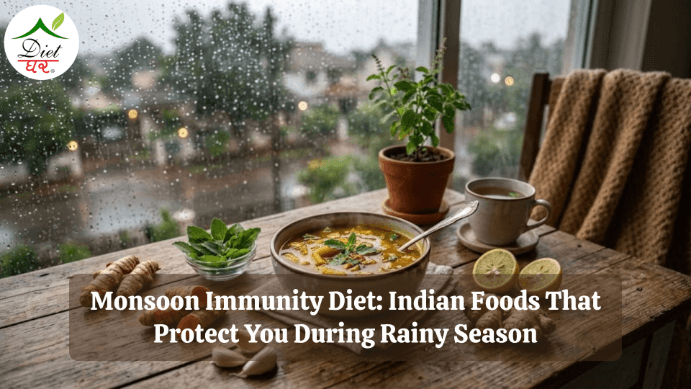
The first rains are always welcome. The relief from oppressive summer heat, the smell of wet earth, the green that returns to the landscape. And then, within two weeks, the illness season begins. Cold and flu. Stomach upsets and diarrhoea. Malaria and dengue in many areas. Fungal infections. Leptospirosis. Typhoid from contaminated water. Monsoon in India is genuinely the season of highest infectious disease burden, and your immune system's ability to defend you is significantly influenced by what you eat in the weeks leading up to and during the season.
This is not about magic immunity-boosting foods, that marketing language is misleading. Immune function is a complex, multisystem process that depends on adequate nutrition across dozens of micronutrients, gut health, sleep, and stress management. "Boosting" it with a single ingredient is not how it works. What you can do is ensure your immune system is properly nourished to function at full capacity, and specifically address the nutritional vulnerabilities that are most common in India during and before monsoon.
Why Monsoon Increases Infection Risk
Waterborne pathogens proliferate: Monsoon flooding contaminates water sources with sewage, creating conditions for typhoid, cholera, hepatitis A, and leptospirosis. Even in urban areas with treated water supplies, stagnant water in and around homes creates infection risks.
Fungal environments: High humidity promotes growth of moulds, fungi, and respiratory pathogens. Airborne fungal spores increase, affecting respiratory tract susceptibility. Skin and nail fungal infections peak in monsoon.
Vector-borne diseases: Standing water creates breeding sites for Aedes and Anopheles mosquitoes, driving the annual peaks of malaria and dengue.
Reduced vitamin D: Overcast monsoon skies reduce UVB radiation, impairing vitamin D synthesis in the skin. Vitamin D is a key immune modulator, its deficiency (already near-universal in India) becomes even more pronounced during the monsoon months.
Gut vulnerability: Dietary changes during monsoon, more street food, more socialising, more contaminated produce, combined with the psychological effect of rainy season comfort eating increases gut pathogen exposure.
Key Nutrients for Monsoon Immunity
Vitamin C
Vitamin C is required for immune cell function at multiple levels: it promotes proliferation and differentiation of T-lymphocytes and natural killer cells, stimulates antibody production, protects immune cells from oxidative damage during an active infection, and shortens the duration of respiratory tract infections.
India's best vitamin C foods for monsoon:
- Amla (Indian gooseberry): The highest vitamin C density of any Indian food, 600–700 mg per 100g (compared to 50 mg per 100g in oranges). Two fresh amla daily provide more vitamin C than most supplements. Fresh amla is available September–November. The peak of monsoon and post-monsoon period. Preserve as murabba (without too much sugar), dried amla, or amla powder for year-round use.
- Guava: 228 mg vitamin C per 100g. A very common monsoon season fruit. One guava daily substantially meets vitamin C requirements.
- Raw capsicum (bell pepper): 190 mg per 100g. Add raw to salads or eat as a snack.
- Lemon: 53 mg per 100g. Daily nimbu paani provides both vitamin C and hydration.
- Fresh coriander and mint: Surprisingly high in vitamin C (27 mg and 31 mg per 100g respectively). Chutneys made fresh and consumed regularly contribute meaningfully.
Vitamin D
As described above, monsoon months exacerbate the already-existing vitamin D deficiency in most Indians. Vitamin D activates innate immune responses against pathogens and modulates adaptive immunity to prevent excessive inflammatory responses. Vitamin D deficiency is associated with higher susceptibility to respiratory infections, higher dengue severity, and slower recovery from typhoid.
During monsoon: continue vitamin D3 supplementation (2,000 IU minimum, 4,000 IU for those with confirmed deficiency). Dietary sources (eggs, oily fish, UV-exposed mushrooms) become more important as sun exposure decreases.
Zinc
Zinc is required for the development and function of virtually every immune cell type, neutrophils, natural killer cells, T-cells, and B-cells. Zinc deficiency impairs immune response significantly and is extremely common in Indian children and adults. Zinc supplementation at 10–15 mg during illness has been shown to reduce duration and severity of respiratory infections in clinical trials.
Monsoon immunity zinc sources: pumpkin seeds (two tablespoons daily), sesame seeds (one tablespoon), rajma, whole wheat rotis, eggs.
Selenium
Selenium is a cofactor for glutathione peroxidase. The enzyme that protects immune cells from oxidative damage during infection. Adequate selenium supports T-cell proliferation and reduces inflammation. Indian soils are selenium-depleted in many regions, making dietary selenium insufficiency common.
Best sources: eggs (two daily provides meaningful selenium), garlic (modest amounts), whole wheat, sunflower seeds.
Iron
Iron deficiency impairs immune function significantly, neutrophil function, lymphocyte proliferation, and complement activity all depend on adequate iron. The already-high rates of iron deficiency in India mean that many people enter monsoon with compromised immune capacity. Address iron deficiency proactively (see our comprehensive guide).
The Most Powerful Indian Immune Foods for Monsoon
Turmeric (Haldi)
Curcumin modulates NF-κB, reduces inflammatory cytokines, stimulates antibody production, and has direct antiviral and antibacterial properties. Daily turmeric in cooking is foundational. Haldi doodh (golden milk) before bed provides curcumin alongside sleep-supporting tryptophan and magnesium from milk. Adding a pinch of black pepper (piperine) increases curcumin bioavailability 2,000-fold.
Ginger (Adrak)
Gingerols and shogaols in ginger have direct antiviral properties (against rhinovirus, the common cold virus, in laboratory studies), anti-nausea effects useful during gut infections, anti-inflammatory properties, and thermogenic effects that support fever response. Fresh ginger in chai, ginger tea, or raw ginger in cooking should be daily monsoon habits.
Garlic (Lahsun)
Allicin and related organosulfur compounds in garlic are among the most potent natural antimicrobials known. Garlic shows activity against Streptococcus, Staphylococcus, H. pylori, E. coli, and many viruses in laboratory studies. Clinical trials show regular garlic consumption reduces incidence of common cold by 63% and reduces duration of infections when they occur. Two to three cloves of raw or lightly cooked garlic daily is the clinically relevant dose. Crush garlic and allow it to sit for 10 minutes before cooking to maximise allicin formation.
Tulsi (Holy Basil)
Tulsi (Ocimum sanctum) is one of the most well-studied Indian medicinal plants. It contains eugenol, rosmarinic acid, and several immunomodulatory compounds that reduce viral replication, stimulate interferon production, reduce fever duration, and improve respiratory clearance. Tulsi chai, fresh tulsi leaves steeped in hot water with ginger and honey, is a genuinely evidence-backed monsoon immunity tea. Many Indian households grow tulsi; those that do not should consider it.
Probiotics and Fermented Foods
The gut microbiome trains and regulates the immune system, approximately 70% of immune cells reside in the gut-associated lymphoid tissue. Regular curd (dahi) and chaas consumption maintains beneficial microbiome populations that keep gut defences strong against the waterborne pathogens prevalent in monsoon. Include curd at least once daily. In traditional North Indian practice, kanji (fermented carrot or beet drink) was specifically prepared at the end of winter/beginning of monsoon as an immune preparation, a nutritionally sound tradition.
Mushrooms
Beta-glucans in mushrooms (button, oyster, shiitake) directly stimulate NK cells and macrophages. Mushrooms are also one of the few dietary sources of vitamin D2 (particularly when UV-exposed before cooking). Include mushrooms in weekly sabzis during monsoon.
Monsoon Food Safety: Equally Important as Immunity
No immunity-building diet compensates for consuming contaminated food. Monsoon food safety in India:
- Eat only well-cooked food during peak monsoon months, raw salads and street food present higher contamination risk
- Wash produce with potassium permanganate solution (a few crystals in a bucket of water) or a vegetable wash, then rinse thoroughly before cooking
- Avoid cut fruit from street vendors where hygiene is uncertain
- Boil or filter drinking water if uncertain of supply quality
- Avoid sugarcane juice. The machines are difficult to clean thoroughly and contamination during monsoon is common
- Reheat leftovers thoroughly, bacterial growth accelerates in humid monsoon conditions
A Sample Monsoon Immunity-Focused Day
Morning: Warm ginger-tulsi-lemon tea with a small amount of honey. Two fresh amla or amla juice.
Breakfast: Ragi porridge with nuts and seeds, or moong dal chilla with green chutney (high vitamin C from herbs).
Lunch: Rajma or moong dal, vegetable sabzi with garlic and turmeric, small bowl curd, roti. Include capsicum or tomatoes for vitamin C.
Evening: Haldi doodh with black pepper. Handful of pumpkin seeds.
Dinner: Light khichdi with turmeric and ginger, curd, vegetable sabzi. Keep dinner light during monsoon season to avoid digestive stress overnight.
Monsoon immunity is not a one-supplement fix. It is a comprehensive nutritional and food safety approach that addresses the specific vulnerabilities of the season. The traditional Indian immunity foods described above, amla, tulsi, ginger, garlic, turmeric, curd, are not folk remedies being validated by science as an afterthought. They are genuinely effective immune-support foods that centuries of Indian health practice correctly identified as seasonal necessities.
Get Your Personalized Diet Plan Today!
This article provides general information about nutrition and diet planning. Download the DietGhar app for a customized Indian diet plan tailored to your body type, health goals, and food preferences — with daily tracking and expert support.
About the Author
Written by the DietGhar expert team — certified dietitians with 10+ years of experience helping clients achieve their health goals through personalized Indian diet plans.
Find a Dietitian Near You
Get personalized nutrition plans from certified dietitians in your city. Online consultations available across India.

