
Intermittent Fasting for Indian Women with PCOS: Does It Help or Hurt?
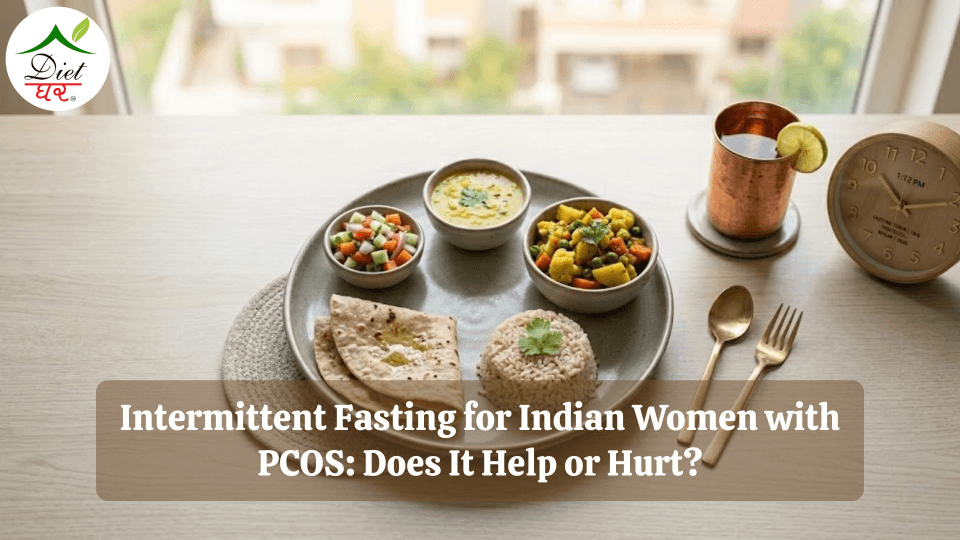
The Intermittent Fasting Question for PCOS
Intermittent fasting (IF) has become one of the most talked-about dietary approaches for women with PCOS in India. Instagram health pages, YouTube channels, and WhatsApp groups promote it as a tool for weight loss, insulin resistance improvement, and hormonal balance. But the research is more complicated than the marketing, and for some women with PCOS, intermittent fasting may actually worsen hormonal symptoms.
This is not a straightforward question with a single answer. The impact of intermittent fasting on PCOS depends on the type of fasting protocol, the individual's hormonal profile, their stress levels, their relationship with food, and how the fasting window is managed. This article presents the evidence honestly and helps Indian women with PCOS make an informed decision.
Why IF Was Considered for PCOS
The theoretical rationale for intermittent fasting in PCOS is compelling. PCOS is driven primarily by insulin resistance in 65–80% of cases. Insulin resistance causes elevated insulin levels, which signal the ovaries to produce excess androgens (male hormones), which cause irregular periods, acne, hair loss, and many other PCOS symptoms.
Intermittent fasting reduces insulin levels during the fasting window and, over time, may improve insulin sensitivity. Several studies show IF improves metabolic parameters in women with PCOS: reduced fasting insulin, improved blood sugar regulation, and weight loss (which itself reduces androgen levels).
A 2023 study published in Nutrients found that a 16:8 IF protocol (16 hours fasting, 8 hours eating) in women with PCOS improved insulin sensitivity, reduced LH:FSH ratio (a key marker of PCOS severity), reduced testosterone levels, and improved menstrual regularity after 12 weeks.
The evidence for benefit is real. But there are specific concerns for women, particularly around cortisol, the stress hormone, and its interaction with PCOS.
The Cortisol Problem: When Fasting Backfires for Women
The concern around intermittent fasting for women relates to cortisol. The primary stress hormone. Fasting is a physiological stressor that raises cortisol. In men, the cortisol response to fasting is relatively contained and does not significantly affect reproductive hormones. In women, elevated cortisol can:
- Suppress GnRH (gonadotropin-releasing hormone), which disrupts the LH and FSH signals that regulate the menstrual cycle
- Increase androgen production (cortisol and androgens share a biosynthetic pathway)
- Worsen insulin resistance in susceptible individuals by counteracting insulin's effects
Research in female rats (and some human studies) shows that extended fasting protocols can disrupt ovarian function and hormonal rhythms in females in ways not seen in males. This is why recommendations for intermittent fasting have begun to differentiate between men and women more explicitly than the early IF research did.
Who Is Most at Risk of IF Backfiring
- Women with adrenal PCOS (driven primarily by cortisol dysregulation rather than insulin resistance)
- Women with high baseline stress levels, already high cortisol means additional fasting stress has a larger relative impact
- Women with HPA (hypothalamic-pituitary-adrenal) axis dysfunction
- Women who are already underweight or have a history of restrictive eating
- Women with thyroid disorders (particularly hypothyroidism, which is common in PCOS)
The Types of Intermittent Fasting and Their PCOS Risk
16:8 (Most Common)
Eating within an 8-hour window, fasting for 16 hours (including sleep). For example: eating between 10am–6pm or noon–8pm. This is the most studied protocol in women and has the best evidence for PCOS benefit with the least hormonal disruption risk. It is also the most practical for Indian lifestyles.
5:2 (Two Modified Fasting Days Per Week)
Eating normally 5 days and restricting to approximately 500 calories on 2 non-consecutive days. The evidence for PCOS benefit is less robust than 16:8. The severe restriction on fasting days creates a larger cortisol response. Generally considered higher risk for hormonal disruption.
OMAD (One Meal a Day)
Eating all daily calories in a single meal, a 23:1 fasting ratio. This is aggressive and not recommended for women with PCOS. The prolonged fasting window creates a significant cortisol and glucagon response. Multiple studies show negative effects on female reproductive hormones with extended fasting. Not advisable for PCOS.
The Indian Woman Context: Specific Challenges
The typical lifestyle factors of urban Indian women with PCOS create specific challenges for IF:
- Early family obligations: Many Indian women wake early to prepare meals for families before leaving for work. A 16:8 protocol with a noon eating start is often socially and practically difficult.
- Tea/chai dependence: Chai is deeply culturally embedded. Drinking chai with milk during the fasting window breaks the fast, and plain chai without milk and sugar is not culturally realistic for most women.
- High-stress environments: Urban Indian women often carry both professional and household stress simultaneously, already elevated cortisol makes fasting a higher risk.
- Social eating pressures: Skipping breakfast at family gatherings or morning meetings is socially difficult and creates stress of its own.
A Safer Approach: Modified Time-Restricted Eating
Rather than strict 16:8 IF, a modified approach that captures most of the benefits with lower hormonal disruption risk may be more appropriate for many Indian women with PCOS:
12:12 or 13:11 Window
Eating within a 12–13 hour window and fasting for 11–12 hours (mostly during sleep). For example: eating between 7am–7pm, or 8am–8pm. This aligns with circadian rhythms, avoids extended daytime fasting, and still improves insulin sensitivity compared to the common Indian pattern of eating from 7am to 11pm. Research on early time-restricted eating (front-loading calories earlier in the day) shows metabolic benefits without the hormonal disruption risks of longer fasting windows.
Key Principles Within the Eating Window
Whether doing 12:12 or 16:8, what you eat during the window is more important than the window itself for PCOS management:
- High protein at every meal (reduces insulin response, improves satiety)
- Low glycaemic carbohydrates (millets over white rice, legumes, vegetables)
- Anti-androgenic foods: spearmint tea, flaxseeds, green tea
- Adequate omega-3: fatty fish or algal oil + walnuts + flaxseed
- Avoid refined carbohydrates and sugary drinks within the eating window
Signs That IF Is Not Working for Your PCOS
Monitor these symptoms, if they worsen with IF, the protocol is not right for you:
- Worsening menstrual irregularity or missed periods
- Increased anxiety, mood instability, or brain fog
- Worsening acne or hair loss
- Significant fatigue, particularly in the morning
- Increased hair fall during the fasting period
- Disordered eating patterns emerging (bingeing during the eating window)
If any of these occur, reduce the fasting window or discontinue IF and focus on a low-glycaemic, high-protein diet within a normal eating schedule. This approach addresses the insulin resistance root cause of PCOS without the cortisol risks of extended fasting.
Get Your Personalized Diet Plan Today!
This article provides general information about nutrition and diet planning. Download the DietGhar app for a customized Indian diet plan tailored to your body type, health goals, and food preferences — with daily tracking and expert support.
About the Author
Written by the DietGhar expert team — certified dietitians with 10+ years of experience helping clients achieve their health goals through personalized Indian diet plans.
Find a Dietitian Near You
Get personalized nutrition plans from certified dietitians in your city. Online consultations available across India.

