Managing High Blood Pressure Through Indian Diet: The Salt Truth
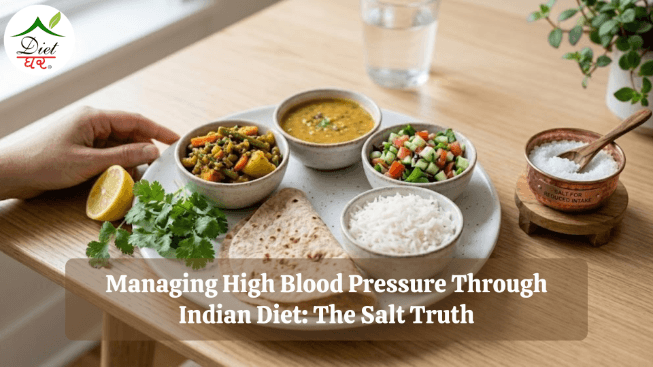
If you have been diagnosed with hypertension in India, the first thing your doctor likely said was "reduce your salt." That advice is correct, but it is far from the whole story. Salt restriction alone, without addressing the other dietary patterns that drive blood pressure, is unlikely to bring your numbers down to healthy levels. And for many Indians, reducing salt meaningfully is genuinely difficult because our food is seasoned at every stage: at home, in restaurants, and even in the "healthy" packaged foods many people reach for when trying to eat better.
Hypertension affects approximately 30% of Indian adults and is the leading modifiable risk factor for heart disease and stroke, India's biggest killers. Yet surveys suggest fewer than 15% of hypertensive Indians have their blood pressure adequately controlled. Diet is a central reason why.
How Blood Pressure Actually Works
Blood pressure is the force your blood exerts against artery walls. Systolic pressure (the top number) is measured when your heart beats; diastolic (the bottom number) is between beats. Normal is below 120/80 mmHg. Stage 1 hypertension begins at 130/80 mmHg; Stage 2 at 140/90 mmHg and above.
Multiple mechanisms regulate blood pressure. Sodium (from salt) is one. It increases blood volume by causing the kidneys to retain water, stretching vessel walls and raising pressure. But equally important are: the balance between sodium and potassium, the elasticity of blood vessel walls (affected by inflammation and oxidative stress), the renin-angiotensin-aldosterone system (a hormonal cascade that the kidneys control), sympathetic nervous system activity (linked to stress and cortisol), and the health of the endothelium (the inner lining of blood vessels).
A truly effective dietary approach for hypertension addresses all of these mechanisms, not just sodium alone.
The Salt Reality in Indian Diet
The World Health Organisation recommends less than 5g of salt per day (about 2g sodium). The average Indian consumes 8–11g of salt per day, nearly double the recommended limit. But most people dramatically underestimate how much salt they actually eat, because the largest contributors are not the salt shaker at the table. They are:
- Pickles (achaar), a single tablespoon of typical Indian achaar contains 700–1,200 mg of sodium, more than half the daily recommended limit in one condiment
- Papad, one papad contains 300–500 mg sodium depending on size and brand
- Packaged namkeen and chakli, 100g of commercial namkeen typically contains 800–1,200 mg sodium
- Restaurant and street food, heavily salted at every stage; a single restaurant meal can contain 3,000–5,000 mg sodium
- Packaged dals and soups, instant khichdi mixes, Maggi-type products, and canned/packaged foods all contain very high sodium
- Bread and baked goods, commercially baked bread uses significant salt as a preservative; two slices of bread contain 300–500 mg sodium
- Sauces and masala pastes, soy sauce, tomato ketchup, chilli sauce, and commercial masala pastes are salt-dense
The path to meaningful salt reduction is not putting away your salt shaker. It is addressing pickles, papad, namkeen, and restaurant frequency.
Salt Substitutes and Alternatives
Potassium chloride salt substitutes (like Tata Salt Lite or low-sodium salt) replace 25–50% of sodium chloride with potassium chloride. They taste slightly different, some people find a slight bitterness, but are effective at reducing sodium intake. The potassium in these substitutes also directly benefits blood pressure through the sodium-potassium balance mechanism.
Important caution: Potassium chloride substitutes are contraindicated for people with chronic kidney disease or those taking ACE inhibitors, potassium-sparing diuretics, or ARBs. Check with your doctor before using them if you are on medication.
Flavour alternatives to reduce salt need in cooking:
- Amchur (dry mango powder) adds sourness that fills the flavour gap left by reducing salt
- Tamarind in dal and sambar provides tang without sodium
- Lemon juice squeezed over finished dishes intensifies flavour
- Fresh herbs (coriander, mint, curry leaves) add aroma that compensates for less salt
- Roasted cumin, pepper, and coriander provide depth without sodium
The DASH Diet, Indianised
The DASH (Dietary Approaches to Stop Hypertension) diet is the most clinically validated dietary pattern for blood pressure reduction. Studies show it reduces systolic blood pressure by 8–14 mmHg, comparable to a single blood pressure medication. Here is what DASH looks like translated into Indian food patterns.
Potassium: The Most Important Nutrient You Are Probably Not Eating Enough Of
Potassium counteracts sodium's blood pressure effect by causing the kidneys to excrete more sodium, relaxing blood vessel walls, and blunting the vascular response to angiotensin II. Target 3,500–4,700 mg of potassium per day.
Best Indian potassium sources:
- Coconut water, 600 mg per 240 ml glass. One fresh coconut water daily is a meaningful contribution. Note: packaged coconut water often has added sodium, so check labels
- Banana, 422 mg per medium banana
- Rajma, 600 mg per 100g cooked
- Spinach (palak), 540 mg per 100g cooked
- Potato (boiled, skin on), 535 mg per medium potato. Potato has an unfair reputation for being unhealthy, boiled potato with skin is actually potassium-rich and relatively low in sodium
- Sweet potato (shakarkandi), 438 mg per 100g
- Drumstick (sahjan), 461 mg per 100g
- Avocado, increasingly available in urban India, very high in potassium
Magnesium: The Relaxing Mineral
Magnesium relaxes vascular smooth muscle and reduces peripheral resistance. Deficiency is associated with hypertension, and many Indians are magnesium-insufficient without knowing it.
Best Indian sources: almonds (10–15 daily), pumpkin seeds (kaddu ke beej), whole grains (bajra, ragi), dark leafy greens, dark chocolate (minimal amounts).
Calcium: Not Just for Bones
Adequate calcium intake (1,000 mg daily) is associated with modest blood pressure reduction, possibly by regulating vascular tone. Low-fat dairy (curd, chaas, skimmed milk) is the best source in the Indian context. Two servings daily is the DASH recommendation.
Nitrate-Rich Vegetables: Nature's Blood Pressure Medicine
Certain vegetables, beetroot, spinach, lettuce, radish, celery, are rich in inorganic nitrates that are converted in the body to nitric oxide. Nitric oxide dilates blood vessels and is one of the most powerful natural vasodilators known. Clinical trials show that 250 ml of beetroot juice daily reduces systolic blood pressure by 4–10 mmHg within hours.
Practical application for Indians: add grated beetroot to salads, make a simple beetroot-carrot-ginger juice at home, include palak freely in daily cooking. These are inexpensive and effective.
Foods to Prioritise for Blood Pressure Control
Garlic: Allicin, the active compound in garlic, has documented vasodilatory effects. Two to three cloves of raw or lightly cooked garlic daily reduces systolic BP by 4–8 mmHg in hypertensive patients in clinical trials. Add crushed garlic to dal, curry, or consume with a small amount of water in the morning. Ageing garlic into black garlic increases bioavailability further.
Flaxseeds: Three tablespoons of ground flaxseed daily for six months was shown in one trial to reduce blood pressure by 10/7 mmHg in hypertensive patients. The combination of omega-3 ALA, lignans, and fibre creates a synergistic vascular effect. Add to roti dough, curd, or smoothies.
Hibiscus tea (gudhal): Clinical trials show 2–3 cups of hibiscus tea daily reduces systolic blood pressure by 6–12 mmHg. It is widely available in India and can be served hot or cold. The anthocyanins in hibiscus inhibit ACE (angiotensin-converting enzyme). The same mechanism as ACE inhibitor medications.
Amla: Vitamin C and polyphenols in amla protect the vascular endothelium. Regular amla consumption is associated with lower blood pressure in observational studies of Indian populations.
Oats: Beta-glucan fibre in oats reduces blood pressure through multiple mechanisms including improved arterial compliance and reduced cholesterol. One bowl of oats daily is a practical and inexpensive addition.
Sample Day for Hypertension
Morning (6 AM): One glass warm water with amla juice. Optional: hibiscus tea.
Breakfast (8 AM): Oats poha with vegetables, fresh coriander, lemon. No added salt or minimal. Banana or fresh fruit. Chaas with no salt or very minimal salt.
Lunch (1 PM): Jowar or bajra roti (2), palak dal, beetroot-cucumber salad with lemon dressing, small bowl low-fat curd. Use lemon and tamarind for seasoning rather than salt. No papad, no achaar.
Evening (4 PM): Fresh coconut water. Small handful of almonds and walnuts.
Dinner (7 PM): Brown rice (small portion) or 2 rotis, rajma or moong dal, any sabzi with garlic and minimal salt. Fresh fruit for dessert.
The Bottom Line
Managing hypertension through diet in India requires more than just putting away the salt shaker. It means cutting the hidden sodium in pickles, papad, and packaged snacks; loading up on potassium from vegetables and legumes; eating garlic, flaxseeds, and nitrate-rich vegetables actively; and following a DASH-aligned eating pattern consistently. These changes, combined with appropriate medication when prescribed, can meaningfully reduce your blood pressure numbers and lower your long-term risk of heart attack and stroke.
Get Your Personalized Diet Plan Today!
This article provides general information about nutrition and diet planning. Download the DietGhar app for a customized Indian diet plan tailored to your body type, health goals, and food preferences — with daily tracking and expert support.
About the Author
Written by the DietGhar expert team — certified dietitians with 10+ years of experience helping clients achieve their health goals through personalized Indian diet plans.
Find a Dietitian Near You
Get personalized nutrition plans from certified dietitians in your city. Online consultations available across India.

