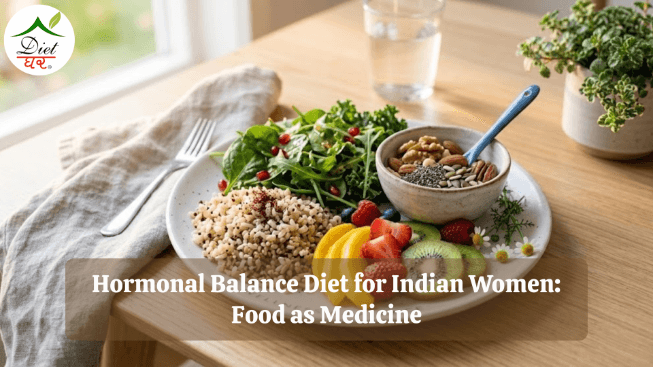
Hormonal Balance Diet for Indian Women: Food as Medicine
When Hormones Go Out of Balance
Hormonal imbalance is one of the most common health concerns among Indian women, and one of the most underdiagnosed. PCOS, hypothyroidism, perimenopause, irregular periods, PMS, unexplained weight gain, acne, hair loss, fatigue, mood swings, these are all symptoms that can trace back to disruptions in the body's hormonal ecosystem.
The endocrine system. The network of glands and hormones that regulate virtually every bodily function, is exquisitely sensitive to diet and lifestyle inputs. What you eat directly influences insulin levels (which affect androgen production), oestrogen metabolism (which affects breast and uterine health), thyroid function (which regulates metabolism), and cortisol (which affects all other hormones).
This article focuses on the dietary factors that support hormonal health for Indian women across life stages: from the reproductive years through perimenopause. It is not a replacement for medical diagnosis and treatment, but it is a genuine foundation that makes every other treatment more effective.
The Hormonal Ecosystem: A Brief Overview
The major hormones affecting Indian women's health and how diet influences them:
Insulin
Insulin regulates blood sugar but also communicates with the ovaries. Chronically high insulin (from refined carbohydrate-heavy diets) signals the ovaries to produce excess androgens. The primary mechanism of PCOS. Reducing refined carbohydrates and increasing protein and fibre directly reduces insulin excess.
Oestrogen
Oestrogen is produced primarily in the ovaries and (to a lesser extent) in fat tissue. It undergoes metabolism in the liver and gut. The nature of this metabolism matters for health. Some oestrogen metabolites are protective; others are linked to increased breast cancer risk. The gut microbiome and dietary fibre significantly influence oestrogen metabolism through a process called enterohepatic circulation.
Progesterone
Progesterone balances oestrogen's effects. Relative progesterone deficiency (oestrogen dominance) is common in Indian women and is associated with heavy periods, PMS, endometriosis, and fibroids. Dietary factors that support progesterone production include adequate zinc, vitamin B6, and maintaining healthy body weight.
Cortisol
The stress hormone that affects all other hormones. Chronic stress elevates cortisol, which suppresses reproductive hormones (causing irregular periods), increases insulin resistance, and promotes fat storage around the abdomen.
Thyroid Hormones
The thyroid gland regulates metabolic rate and is sensitive to iodine, selenium, zinc, and iron, all micronutrients with significant dietary implications.
The Anti-Hormonal Imbalance Diet for Indian Women
Principle 1: Stabilise Blood Sugar
The most broadly beneficial dietary change for hormonal health is reducing blood sugar and insulin volatility. High-glycaemic foods cause blood sugar spikes followed by insulin surges followed by crashes, this pattern disrupts cortisol rhythms, affects thyroid function, and directly drives androgen excess in PCOS.
Practical for Indian diets:
- Replace white rice with millets (ragi, jowar, bajra) or reduce rice portions
- Eliminate or dramatically reduce maida-based foods
- Include protein and fibre with every meal to moderate the carbohydrate response
- Use the plate method: half vegetables, quarter protein, quarter carbohydrate
Principle 2: Support Oestrogen Metabolism with Fibre and Cruciferous Vegetables
Dietary fibre supports healthy oestrogen metabolism in two ways: by feeding the gut bacteria that metabolise oestrogen correctly, and by binding to excess oestrogen in the intestine and facilitating its excretion rather than reabsorption.
Cruciferous vegetables, cabbage, cauliflower, broccoli, and Brussels sprouts, contain indole-3-carbinol (I3C), which is converted to DIM (diindolylmethane) in the gut. DIM shifts oestrogen metabolism toward less harmful metabolite pathways. Including band gobhi, gobi, and broccoli 3–4 times per week is specifically beneficial for oestrogen balance.
Principle 3: Phytoestrogens, Strategic Inclusion
Phytoestrogens are plant compounds that weakly bind to oestrogen receptors. In conditions of oestrogen excess (fibroids, endometriosis, PMS), they compete with stronger oestrogen and reduce overall oestrogenic activity. In conditions of oestrogen deficiency (perimenopause), they provide mild oestrogenic effects.
Sources in Indian diet:
- Flaxseeds (alsi): The richest phytoestrogen source, lignans have significant hormonal modulating effects. One tablespoon of ground flaxseed daily is a practical therapeutic amount.
- Soy: Moderate soy consumption (tofu, soy milk, edamame). The isoflavones in soy are weakly oestrogenic and overall beneficial for hormonal balance in reproductive-age women.
- Sesame seeds (til): Contain lignans, though at lower concentrations than flaxseeds.
Principle 4: Specific Nutrients for Progesterone Support
Progesterone deficiency is common and often overlooked. Key nutritional supports:
- Zinc: Required for progesterone synthesis. Sources: pumpkin seeds, sesame, chickpeas, meat, eggs. Zinc deficiency is common in Indian women, supplementation at 15mg daily may be warranted.
- Vitamin B6: Involved in progesterone production and PMS symptom reduction. Sources: chicken, fish, potatoes, bananas, sunflower seeds.
- Vitamin C: Stimulates the corpus luteum (which produces progesterone after ovulation). Amla, guava, and citrus are excellent Indian sources.
Principle 5: Manage Cortisol Through Diet
Dietary strategies to support cortisol management:
- Eat regular meals, skipping meals raises cortisol
- Include adequate carbohydrate (particularly complex carbohydrate), very low-carbohydrate diets can elevate cortisol in women
- Ashwagandha, an Ayurvedic adaptogen with specific, well-studied cortisol-reducing effects. Available as a supplement and has genuine evidence for reducing cortisol and improving stress resilience. Consult a healthcare provider before use if pregnant or on medications.
- Magnesium-rich foods: dark leafy greens, pumpkin seeds, almonds, dark chocolate, magnesium is essential for adrenal function and is commonly deficient in Indian women
Foods to Minimise for Hormonal Health
- Refined carbohydrates and sugar: Primary driver of insulin excess and PCOS severity
- Industrial seed oils in excess: Omega-6 dominance promotes inflammation that disrupts hormonal signalling
- Alcohol: Impairs oestrogen metabolism in the liver, increases circulating oestrogen, disrupts sleep (which affects cortisol and growth hormone)
- Excess caffeine: More than 3–4 cups per day elevates cortisol and may worsen PMS symptoms in sensitive women
- Xenoestrogens from plastic: Heating food in plastic containers, particularly with fatty foods, increases exposure to BPA and phthalates, compounds that disrupt hormonal signalling. Use glass or stainless steel containers for food storage and heating.
A Hormone-Supportive Indian Day
- Morning: Warm water with a small piece of fresh ginger. Ashwagandha powder (1/4 teaspoon) in warm milk if using.
- Breakfast: 2–3 eggs with vegetables + 1 tablespoon ground flaxseed in curd, protein, zinc, phytoestrogens
- Lunch: Rajma + gobhi sabzi (cruciferous) + jowar roti + raita, complete hormonal support meal
- Snack: A handful of pumpkin seeds + green tea, zinc, omega-3, EGCG
- Dinner: Fish curry or tofu sabzi + ragi roti + palak sabzi, omega-3, phytoestrogens, iron
- Before bed: Spearmint tea (pudina chai), anti-androgenic for PCOS support
Hormonal balance is not achieved through any single food or supplement. It emerges from a consistent pattern of nutritional choices that support the liver (for oestrogen metabolism), the gut (for hormonal recycling), the adrenals (for cortisol management), and the ovaries (for reproductive hormone production). The foods described above support all of these systems simultaneously.
Get Your Personalized Diet Plan Today!
This article provides general information about nutrition and diet planning. Download the DietGhar app for a customized Indian diet plan tailored to your body type, health goals, and food preferences — with daily tracking and expert support.
About the Author
Written by the DietGhar expert team — certified dietitians with 10+ years of experience helping clients achieve their health goals through personalized Indian diet plans.
Find a Dietitian Near You
Get personalized nutrition plans from certified dietitians in your city. Online consultations available across India.

