Healing Your Gut Microbiome With Indian Prebiotic Foods
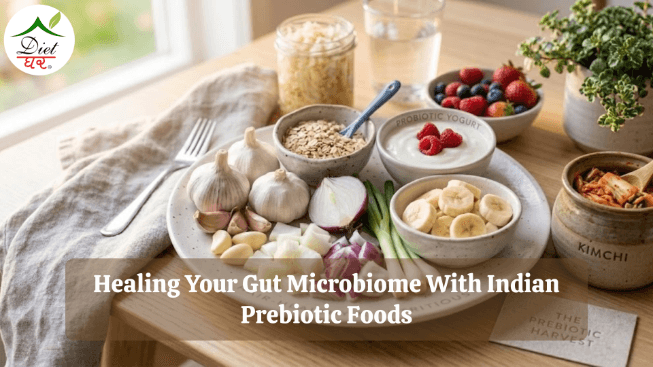
Everyone has heard about probiotics. The live bacteria in curd, kanji, and fermented foods. But the conversation about gut health in India almost completely ignores the other half of the equation: prebiotics. Probiotics are the bacteria. Prebiotics are the food those bacteria eat. And without adequate prebiotic intake, even the best probiotic foods in the world cannot do very much, because the bacteria have nothing to thrive on.
Here is the encouraging part: India's traditional food culture is extraordinarily rich in prebiotic foods. Legumes, spices, onion, garlic, underripe banana, cooked-and-cooled rice, these are all daily features of Indian cooking that happen to be some of the most potent prebiotic sources in the food world. The problem is that modern Indian eating, more processed food, less traditional home cooking, fewer legumes, more refined carbohydrates, has steadily reduced prebiotic intake just as gut health problems are rising.
Prebiotics Versus Probiotics: The Difference That Matters
Probiotics are live microorganisms that, when consumed in adequate amounts, confer a health benefit. They include specific bacterial strains like Lactobacillus acidophilus, Bifidobacterium longum, and others present in fermented foods like curd (dahi), buttermilk (chaas), kanji, idli/dosa batter, and fermented pickles.
Prebiotics are specific types of dietary fibre and other compounds that resist human digestion but are selectively fermented by beneficial gut bacteria, stimulating their growth and activity. Prebiotics are essentially food for your microbiome.
The most researched prebiotic fibres are: inulin and fructooligosaccharides (FOS), galactooligosaccharides (GOS), resistant starch (RS), and pectin. Each feeds slightly different bacterial populations, which is why eating a variety of prebiotic sources supports greater microbial diversity.
When your gut bacteria ferment prebiotic fibre, they produce short-chain fatty acids (SCFAs), primarily butyrate, propionate, and acetate. Butyrate is the primary fuel for colonocytes (colon cells) and is anti-inflammatory. Propionate signals satiety to the brain and regulates glucose production in the liver. Acetate influences fat metabolism. These SCFAs are the mechanism through which gut health affects everything from body weight and blood sugar to mood and immunity.
The Best Indian Prebiotic Foods
Resistant Starch: The Most Powerful Indian Prebiotic
Resistant starch (RS) resists digestion in the small intestine and reaches the colon intact, where it is fermented by bacteria. It is one of the best-studied prebiotics and has benefits for blood sugar, insulin sensitivity, satiety, and colon health.
Cooked-and-cooled rice: This is perhaps the most important Indian prebiotic secret that most people do not know. When rice is cooked and then cooled to refrigerator temperature, some of the gelatinised starch recrystallises into resistant starch (RS3). Cooled cooked rice has approximately 40–50% more resistant starch than freshly cooked hot rice. Reheating cooled rice partially reduces but does not eliminate this benefit. Pakhala bhata (the Odia fermented rice water dish), vari (cooked rice soaked overnight in water) in Maharashtra, and pazhaya sadam (day-old rice) in Tamil Nadu are traditional practices that intuitively exploit this prebiotic benefit.
Cooked-and-cooled dal and legumes: The same principle applies to legumes. Cooling cooked rajma, chana, and dal increases resistant starch content. Using leftover dal from the previous day is nutritionally superior to freshly cooked dal from a prebiotic standpoint.
Cooked-and-cooled potato: Cold potato salad has significantly more resistant starch than freshly baked hot potato. Aloo chaat made with cooled potatoes is a better prebiotic food than fresh aloo sabzi.
Slightly underripe banana: Unripe or just-ripe banana (green-tipped) has much higher resistant starch than fully ripe yellow banana. As bananas ripen, resistant starch converts to simple sugar. This is why raw banana (kaccha kela) sabzi, common in South Indian and Bengali cooking, is an exceptionally good prebiotic food.
Inulin and FOS Sources
Onion (pyaaz): One of the richest sources of FOS and inulin in the Indian diet. Raw onion eaten in salads or with meals is particularly valuable. Cooked onion still provides prebiotic benefit but at somewhat reduced levels. Most Indians already eat onion daily. The key is ensuring some raw consumption.
Garlic (lahsun): Extraordinarily rich in FOS and inulin. Also has direct antimicrobial properties against pathogenic bacteria. Two to three raw or lightly cooked garlic cloves daily is the target. The pungent compounds (allicin) that give garlic its smell are also its most potent prebiotic and antimicrobial components, crushing or chopping garlic and allowing it to sit for 10 minutes before cooking activates more allicin.
Jerusalem artichoke (topinambur): Extremely high in inulin (up to 47% of dry weight). Less common in India but available in some markets and increasingly grown in home gardens.
Chicory root: The most concentrated commercial source of inulin. Used as a coffee substitute in some parts of South India. Available as powder in health food shops.
Leeks and spring onion (hara pyaaz): Less common in Indian cooking than regular onion but excellent inulin sources. Include in salads, raitas, and egg preparations.
Legumes: India's Greatest Prebiotic Asset
Legumes are possibly the most important food group for gut microbiome health, providing multiple prebiotic fibre types (galactooligosaccharides, resistant starch, pectin, and various soluble fibres) simultaneously. This explains why traditional Indian high-legume diets were associated with exceptional gut health.
Rajma, high in GOS and resistant starch. The gas it causes is a sign of active bacterial fermentation, which is actually healthy (though uncomfortable, soaking and cooking thoroughly reduces the excessive gas compounds like raffinose).
Moong dal, easiest to digest of the legumes, excellent prebiotic source. Moong sprouts have an even more favourable prebiotic profile and are particularly rich in galactooligosaccharides.
Chana (chickpea), extremely high in prebiotic fibre. Hummus, chana dal, kabuli chana curry, all excellent microbiome foods.
Urad dal, fermented into idli and dosa batter, where it provides both prebiotic fibre AND serves as substrate for the fermentation that produces probiotic lactic acid bacteria. Idli and dosa are genuinely among the best gut health foods in Indian cuisine.
Spices With Prebiotic Properties
Turmeric: Curcumin directly modulates gut microbiome composition, increasing beneficial Bifidobacteria and Lactobacillus while reducing inflammatory Firmicutes species. Turmeric is an active prebiotic, not just an anti-inflammatory agent.
Cumin (jeera): Rich in polyphenols that selectively feed Bifidobacterium. Jeera water (roasted and boiled cumin water) drunk before meals is a traditional Indian digestive that has real microbiome science behind it.
Fennel seeds (saunf): The traditional post-meal saunf consumption is a clever prebiotic practice. Fennel provides inulin and FOS, stimulates beneficial bacteria, and reduces gas through carminative action.
Cardamom, coriander, fenugreek: All contain prebiotic polyphenols that modulate microbiome composition.
How to Eat More Prebiotics Daily
The target is approximately 15–20g of prebiotic fibre per day for good gut health. Most Indians eating modern diets get 5–8g at best. Here is how to increase intake practically:
- Include dal or legumes at both lunch and dinner (not just one meal)
- Add raw onion to at least one meal daily, as salad, kachumber, or chutney
- Use garlic generously in cooking and sometimes raw (garlic raita, garlic chutney)
- Use yesterday's cooked rice or make rice ahead of time and refrigerate it before eating
- Include raw banana (kaccha kela) sabzi once or twice a week
- Chew saunf after meals rather than reaching for a digestive tablet
- Ferment your own curd at home. The fermentation process also produces prebiotic byproducts alongside the probiotics
- Eat the skin of vegetables where possible, potato skin, apple skin, cucumber skin all contain higher concentrations of prebiotic compounds
The Gas Problem: Why Prebiotics Cause Discomfort Initially
When you significantly increase prebiotic intake, you will likely experience more gas, bloating, and gut gurgling for the first one to three weeks. This is not a sign that something is wrong. It is the sound of your microbiome adapting to new fuel. Gas is produced as bacteria ferment fibre. As the microbiome shifts toward more beneficial species and your gut adjusts, this discomfort typically resolves.
The key is gradual increase: do not go from no legumes to three cups of rajma overnight. Increase prebiotic foods by one serving every few days, allowing the microbiome time to adapt. Soaking legumes thoroughly and cooking them well reduces the most gas-producing compounds (raffinose and stachyose) significantly.
The Probiotic-Prebiotic Combination
Prebiotics and probiotics work synergistically, together they are called "synbiotics." The most effective approach combines both:
- Include fermented foods daily (morning curd or chaas, traditional pickles in small amounts, homemade kanji in winter)
- Include multiple prebiotic sources at every meal
- Reduce antibiotics, processed food, and excessive alcohol, all of which damage the microbiome that prebiotics are trying to feed
For specific conditions like IBS, IBD, or significant gut dysbiosis, a personalised approach through a registered dietitian or gastroenterologist-dietitian team is more effective than general dietary guidelines. But for the majority of Indians looking to improve gut health and related conditions, building a rich prebiotic food foundation is the single most impactful nutritional strategy available.
Get Your Personalized Diet Plan Today!
This article provides general information about nutrition and diet planning. Download the DietGhar app for a customized Indian diet plan tailored to your body type, health goals, and food preferences — with daily tracking and expert support.
About the Author
Written by the DietGhar expert team — certified dietitians with 10+ years of experience helping clients achieve their health goals through personalized Indian diet plans.
Find a Dietitian Near You
Get personalized nutrition plans from certified dietitians in your city. Online consultations available across India.

