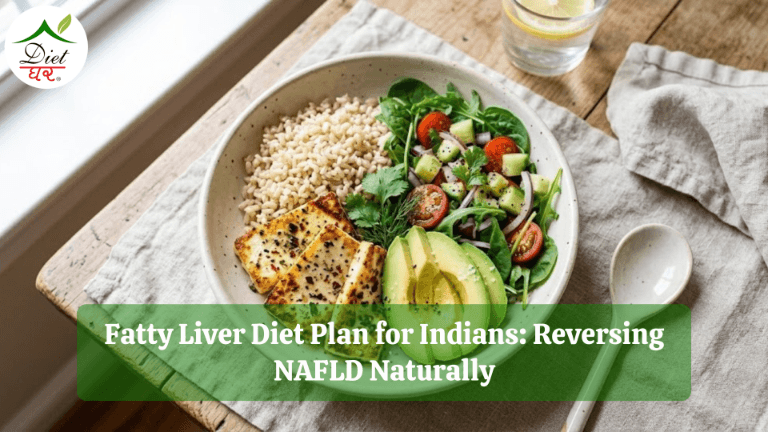
Fatty Liver Diet Plan for Indians: Reversing NAFLD Naturally
Your doctor called and said your ultrasound shows "Grade 1 fatty liver." Your liver enzymes — SGPT and SGOT — are mildly elevated. You do not drink alcohol. You eat what you consider to be a normal Indian diet. And yet, there is fat building up in your liver.
This scenario is playing out in tens of millions of Indian homes. Non-alcoholic fatty liver disease (NAFLD) affects approximately 38% of urban Indians — nearly one in three people — making India one of the highest-burden countries in the world for this condition. What makes NAFLD particularly dangerous is that it is almost entirely silent in its early stages. No pain, no jaundice, no obvious symptoms. By the time most people discover it on an incidental ultrasound, they have already had it for years.
The good news: NAFLD is one of the most diet-responsive conditions in medicine. With the right dietary approach, early to moderate fatty liver is genuinely reversible. The liver has remarkable regenerative capacity when the metabolic environment changes.
How Does Fat Accumulate in a Liver That Drinks No Alcohol?
The liver is a metabolic processing hub. Every gram of carbohydrate and fat you eat eventually passes through the liver. When you consume more energy — particularly from refined carbohydrates and fructose — than your cells can use, the liver converts the excess into triglycerides and packages them for storage. Initially, the liver stores these triglycerides in its own cells (hepatocytes). When intake chronically exceeds export capacity, fat accumulates. This is steatosis — fatty liver.
In India, the specific dietary drivers of NAFLD are:
Refined carbohydrates: White rice in large quantities, maida (refined wheat flour) in chapati-like appearance but no nutritional value, bread, biscuits, and pakoras all drive rapid blood glucose spikes followed by insulin surges. Insulin signals the liver to ramp up lipogenesis (fat synthesis). The modern Indian diet is extremely high in refined carbohydrates.
Fructose: Unlike glucose, which is metabolised throughout the body, fructose is almost exclusively processed by the liver. High fructose intake — from cold drinks, packaged juices, excessive sugar, and sweetened foods — rapidly overloads the liver's fructose metabolism pathway and drives fat accumulation more directly than any other nutrient. A single 500 ml cola provides 50g of fructose — a liver-overwhelming dose.
Excess calories without activity: Sedentary urban lifestyle combined with calorie-dense Indian snacks (namkeen, mixture, biscuits, vada-pav, samosas) creates sustained caloric surplus that the liver bears the brunt of.
Insulin resistance: NAFLD and insulin resistance are so closely connected that some researchers consider them the same condition viewed from different angles. When muscle and fat cells become insulin resistant, they stop accepting glucose. The liver compensates by processing the excess glucose itself, converting it to fat. NAFLD is therefore tightly linked to prediabetes, Type 2 diabetes, and PCOS.
What the Evidence Says About Reversing Fatty Liver
The most consistent finding in clinical research on NAFLD reversal is this: a 7–10% reduction in body weight, achieved through caloric restriction and increased activity, significantly reduces liver fat and in many cases reverses the condition to normal. Every 1% of body weight lost corresponds to roughly 1% reduction in liver fat content.
Beyond weight loss, specific dietary patterns have demonstrated independent benefits:
- Mediterranean-style diet (olive oil, vegetables, fish, whole grains) reduces liver fat even without weight loss in clinical trials
- Low-fructose diets reduce liver fat within two weeks — faster than any other dietary change
- High-fibre diets improve gut microbiome composition, reducing the production of bacterial metabolites (LPS, short-chain fatty acids from dysbiotic bacteria) that drive liver inflammation
- Coffee consumption — 2–3 cups per day — is genuinely associated with lower NAFLD progression risk and lower liver enzyme levels. Coffee has specific hepatoprotective compounds (chlorogenic acids, kahweol) that appear to reduce hepatic inflammation
The Indian NAFLD Diet Plan
What to Eliminate or Drastically Reduce
Cold drinks, packaged juices, energy drinks: These must go first. Completely. Not "occasionally on weekends" — truly eliminated. The fructose load from these beverages is the single fastest change you can make.
Maida-based foods: White bread, biscuits, cake, pav, naan, paratha made with refined flour, samosas, kachori, pizza. These spike insulin and drive liver lipogenesis.
Deep-fried foods daily: Pakoras, vada, puri, fried namkeen. The combination of refined starch and excessive oil is particularly harmful for fatty liver.
Large rice portions: Two to three plates of white rice twice daily is common in South and East Indian households. Rice is not forbidden, but portions need to be controlled — one katori (120–150g cooked) per meal, not three katoris.
Excessive sugar in tea and coffee: Two spoons of sugar in 4–5 cups of chai daily adds 40–50g of sucrose (half of which is fructose) per day. Reduce to zero or one teaspoon maximum.
What to Build Your Meals Around
Green leafy vegetables: Palak, methi, sarson, amaranth — eat these daily. They provide folate (essential for liver methyl donor pathways), fibre, and antioxidants. Methi (fenugreek) specifically has been shown in Indian studies to reduce liver fat and improve insulin sensitivity.
Cruciferous vegetables: Gobhi (cauliflower), broccoli, cabbage, radish. These contain sulforaphane and glucosinolates that activate the liver's Phase 2 detoxification enzymes and reduce inflammation.
Legumes in moderate amounts: Dal, rajma, chana provide slow-digesting protein and resistant starch that feeds beneficial gut bacteria rather than overloading the liver with glucose spikes.
Whole grains instead of refined: Swap white rice for small portions of brown rice or millets (jowar, bajra, ragi). These have far more fibre, slower glycaemic response, and additional micronutrients. If you cannot give up white rice, reduce portions and add dal or vegetables to the meal to slow absorption.
Walnuts: Clinical studies specifically on walnuts in NAFLD patients show reduced liver fat and improved liver enzymes. The combination of omega-3 fatty acids (alpha-linolenic acid), polyphenols, and vitamin E in walnuts appears uniquely beneficial for liver health. Six to eight walnuts per day is the studied dose. They are widely available in India.
Flaxseeds: Two teaspoons of ground flaxseeds daily provide omega-3 ALA and lignans that reduce hepatic inflammation. Add to curd, roti dough, or dal.
Turmeric: Curcumin, the active compound in haldi, has demonstrated anti-inflammatory and anti-fibrotic effects on liver tissue in multiple trials. Indian cooking naturally includes turmeric, but you can add an extra pinch to more dishes. Golden milk (haldi doodh) before bed is a genuinely evidence-based practice for liver health.
Amla: Indian gooseberry is extraordinarily rich in vitamin C and ellagitannins. Studies in Indian patients show amla supplementation significantly reduces liver enzyme levels (SGPT, SGOT) and improves liver histology. Fresh amla or amla juice (100 ml) daily is one of the most powerful Indian liver-protective foods available.
Coffee: Two to three cups of plain coffee (minimal sugar) per day. If you already drink coffee, continue. The evidence is genuinely supportive.
Protein: Crucial for Liver Repair
The liver rebuilds damaged tissue using protein. Protein also promotes satiety, preserves muscle mass during weight loss, and reduces lipogenesis. Many Indians with NAFLD are not eating enough protein. Target 1.2–1.5g protein per kg of body weight per day.
Good Indian sources: paneer, curd, egg whites, moong sprouts, besan preparations (chilla), soya chunks (limited to 50g daily due to phytoestrogen concerns), chicken breast, fish.
Healthy Fats: Do Not Fear Fat, Fear the Wrong Fats
The right fats support liver health. The wrong ones accelerate NAFLD. Replace refined seed oils (soybean, sunflower, corn) and vanaspati/dalda (trans fats) with:
- Cold-pressed mustard oil (traditional Indian cooking oil — contains omega-3 ALA)
- Cold-pressed coconut oil in small amounts
- Ghee in moderate quantities (1 teaspoon per meal maximum)
- Olive oil for salads and light cooking
Sample Day for Fatty Liver Reversal
On waking (6–7 AM): One glass warm water with half lemon. Optional: 100 ml amla juice.
Breakfast (8 AM): Moong dal chilla (2 pieces) with green chutney. OR oats with vegetables and a handful of walnuts. Black coffee or green tea with minimal sugar.
Lunch (1 PM): One katori brown rice or two small jowar rotis, one bowl dal, palak or methi sabzi, small bowl curd. Finish with a small piece of fresh fruit (not juice).
Evening (4 PM): A small handful of walnuts and almonds, or sprouted moong chaat with lemon. Plain chaas.
Dinner (7 PM): Two wheat rotis with methi thepla batter, gobhi or brinjal sabzi, thin dal. Optional: haldi milk at bedtime.
The Timeline: How Long Does Reversal Take?
With strict dietary compliance and 30–45 minutes of daily moderate exercise (brisk walking, cycling), measurable improvement typically occurs:
- Liver enzyme normalisation: 4–8 weeks
- Ultrasound improvement: 3–6 months
- Complete reversal of Grade 1 fatty liver: 6–12 months in motivated patients
Progress should be tracked with repeat blood tests (liver function test) every 6–8 weeks initially, and an ultrasound at 6 months.
If your fatty liver has progressed to NASH (non-alcoholic steatohepatitis with liver inflammation) or fibrosis, dietary management alone is insufficient — you need specialist hepatology care alongside these dietary changes. But for the majority with Grade 1 or 2 fatty liver, food and lifestyle are the primary medicine. Work with a registered dietitian to personalise this plan for your specific food preferences, health conditions, and weight loss goals.
Sources
- Dietary Guidelines for Indians 2024, ICMR National Institute of Nutrition (NIN), Hyderabad
- Indian Food Composition Tables (IFCT) 2017, ICMR National Institute of Nutrition (NIN), Hyderabad
- Healthy diet (fact sheet), World Health Organization
Get Your Personalized Diet Plan Today!
This article provides general information about nutrition and diet planning. Download the DietGhar app for a customized Indian diet plan tailored to your body type, health goals, and food preferences: with daily tracking and expert support.
About the Author
Written by The DietGhar Team nutritionists, helping clients since 2016 with personalised Indian diet plans. How our nutritionists work
Popular guides
Diet plans
Articles
- PCOD diet chart, 7-day Indian meal plan
- Insulin resistance diet for Indians
- PCOS acne and skin: diet changes
- Indian keto diet for beginners
- Stress eating and cortisol
- Gluten-free Indian food for celiac disease
- Nutrition for Indians over 60
- South Indian diet for weight loss
- North Indian diet makeover
- Breastfeeding diet chart
- Winter diet and immunity foods
- Best Indian foods for hair growth
- Why crash diets fail
Find a Dietitian Near You
Get personalized nutrition plans from qualified nutritionists in your city. Online consultations available across India.

