
Managing Diabetes During Ramzan Fasting: A Muslim Diabetic's Guide
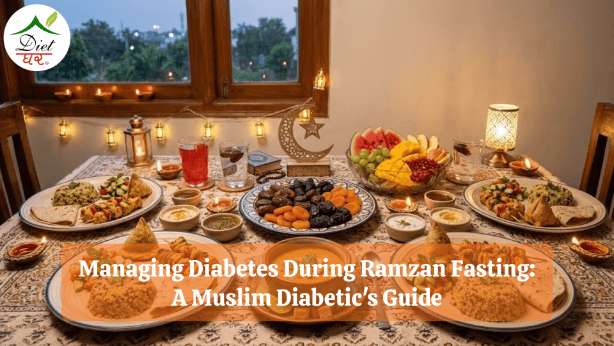
Faith and Health: A Balance That Is Possible
For Muslim men and women with diabetes in India, Ramzan brings a profound question: can I fast safely? This question is not always answered clearly by medical providers, leaving many diabetic patients either skipping the fast entirely or fasting without proper guidance, and risking serious complications either way.
The answer, based on current medical and religious guidance, is: it depends on your diabetes type, control, and medications, and many people with well-managed diabetes can fast safely with proper medical preparation.
Islam explicitly exempts sick individuals from fasting, diabetics are medically permitted to break the fast if their health is at risk, and making up missed fasts later or paying fidya (expiation) are valid options. But for those who wish to observe the fast and can do so safely, this guide provides the framework to do it well.
The Medical Risks of Fasting with Diabetes
Fasting with diabetes carries specific risks that every patient and their family should understand:
Hypoglycaemia (Low Blood Sugar)
The most serious acute risk. When diabetic medications (particularly sulphonylureas like glipizide or glibenclamide, and insulin) are taken without corresponding food intake, blood sugar can drop dangerously low. Symptoms: sweating, trembling, confusion, weakness, heart palpitations. If untreated: loss of consciousness, seizure, death.
During Ramzan, the risk is highest in the final hours before iftar, when the medication effect peaks and the fast is nearly complete. This is why medication timing and dosing MUST be adjusted before Ramzan begins.
Hyperglycaemia (High Blood Sugar)
The other risk, and equally real. Heavy iftar meals with large amounts of sugary and starchy foods can cause extreme blood sugar spikes. For people with diabetes whose medications are reduced or timed incorrectly, post-iftar blood sugar can reach dangerous levels, occasionally triggering diabetic ketoacidosis (DKA) in type 1 patients or hyperosmolar states in type 2.
Dehydration
India's heat and humidity during Ramzan months can cause significant fluid losses through sweat. Dehydration raises blood glucose (a concentration effect) and can worsen kidney function in people with diabetic nephropathy. This risk is manageable with adequate fluid intake during the non-fasting window.
Who Should NOT Fast (Medical Guidance)
Based on the IDF-DAR (International Diabetes Federation and Diabetes and Ramadan) risk stratification guidelines, the following individuals face very high risk and are generally advised not to fast:
- Type 1 diabetes (particularly those with poor control or history of DKA)
- Recent severe hypoglycaemia (within 3 months before Ramzan)
- Severe or persistent hyperglycaemia (HbA1c above 10%)
- Advanced chronic kidney disease (eGFR below 45)
- Pregnancy with diabetes
- Those on dialysis
- Elderly patients with frailty or cognitive impairment
People with well-controlled type 2 diabetes on dietary management or metformin alone, or with HbA1c below 8%, are generally at low to moderate risk and can fast with appropriate monitoring and medication adjustment.
Consult your endocrinologist or diabetologist at least 4–6 weeks before Ramzan begins. This is not optional advice, medication adjustments can take time to calibrate, and going into the fast without medical preparation is genuinely dangerous.
Medication Adjustments During Ramzan
This is where most of the medical management happens. Specific adjustments depend on which medications you take:
Metformin
Generally the safest diabetes medication for Ramzan. Does not cause hypoglycaemia on its own. If taking twice daily (morning and night), it is typically shifted to with iftar and with sehri. If taking once daily, usually moved to iftar time.
Sulphonylureas (Glipizide, Glibenclamide, Glimepiride)
These cause hypoglycaemia and require careful adjustment. Many doctors switch patients from short-acting to long-acting sulphonylureas, or significantly reduce doses for the fasting period. Some advise stopping them during Ramzan and managing with diet and metformin if possible. Individual adjustment is essential.
DPP-4 Inhibitors (Sitagliptin, Vildagliptin)
Low hypoglycaemia risk. Often taken once daily at iftar. Relatively safe during Ramzan with appropriate timing.
SGLT2 Inhibitors (Empagliflozin, Dapagliflozin)
These increase glucose excretion in urine and cause significant fluid loss. Dehydration risk during Ramzan is increased. Many specialists reduce or pause these during the fasting month. Discuss specifically with your doctor.
Insulin
The most complex to manage. Insulin regimens need to be substantially restructured for Ramzan, dosing times, types (basal vs. bolus), and amounts all change. This should only be done under close medical supervision. Patients on insulin who wish to fast require the most intensive pre-Ramzan medical consultation and frequent blood glucose monitoring during the month.
Self-Monitoring During Ramzan
Blood glucose monitoring during Ramzan does NOT break the fast according to the majority of Islamic scholars. Regular monitoring is not just permitted. It is medically essential.
Test blood glucose:
- Before sehri
- Midday (particularly in the first week while adjusting)
- 2–3 hours before iftar (the highest-risk time for hypoglycaemia)
- 2 hours after iftar (to assess post-meal blood sugar)
- Before sleep
Break the fast immediately if:
- Blood glucose falls below 70 mg/dL (3.9 mmol/L)
- Symptoms of hypoglycaemia occur at any blood glucose level
- Blood glucose exceeds 300 mg/dL (16.7 mmol/L)
- Severe symptoms of hyperglycaemia (excessive thirst, frequent urination, vomiting)
- Signs of dehydration or illness
Breaking the fast in a medical emergency is both permitted and obligatory in Islam. Faith does not require risking life.
Sehri for Diabetics: The Meal That Matters Most
A well-composed sehri can stabilise blood sugar for many hours and reduce hypoglycaemia risk. The goals: slow-digesting carbohydrates, adequate protein, no refined sugars or simple starches, and generous hydration.
Ideal Diabetic Sehri Foods
- Eggs: 2–3 eggs (any preparation without oil excess), protein, stable blood sugar
- Dalia (broken wheat porridge): Lower glycaemic index than white bread or rice
- Oats: Slow-release, high-fibre, good blood sugar stability
- Greek yogurt or hung curd: High protein, low carbohydrate
- Multigrain or whole wheat roti: 1–2 with sabzi and dal
- Curd: Probiotic, moderates glucose response
- Water: At least 500ml to begin the day hydrated
Avoid at Sehri
- White bread, toast with jam/butter
- Sweet cereals
- Paratha with excess ghee
- Fruit juice (high glycaemic)
- Sugary chai
Iftar for Diabetics: Breaking the Fast Without Breaking Your Control
The tradition of breaking with dates and water is nutritionally sound for non-diabetics, but 2–3 dates is the maximum appropriate for diabetics (approximately 15–22g carbohydrate). Avoid date milkshakes or fruit cocktails sweetened with syrup.
The Diabetic-Friendly Iftar Plate
- 2–3 dates and water to break fast
- A cup of shorba (thin vegetable or chicken soup), low carbohydrate, hydrating
- Salad with cucumber, tomato, green vegetables
- Grilled or tandoori protein: chicken, fish, or paneer
- A moderate portion of whole grain rice or 1–2 rotis
- Dal or legume sabzi
- Curd as raita, a probiotic buffer
Eat slowly. Wait 15–20 minutes after dates and water before eating the main meal, this allows the initial blood sugar response to register and reduces overeating.
What to Limit or Avoid at Iftar
- Haleem: nutritious but often high in calories, small portion is fine
- Sugary sherbets, rooh afza, sweetened milk drinks
- Fried items: samosas, pakoras, jalebi, major blood sugar triggers
- Biryanis with large portions of rice
- Mithai and sheer khurma in quantity
The goal is not to deprive yourself of cultural foods. It is to enjoy them in portions that your diabetes management can accommodate. A small piece of sheer khurma is culturally meaningful and metabolically manageable. A large bowl is not, for a diabetic.
Sources
- Dietary Guidelines for Indians 2024, ICMR National Institute of Nutrition (NIN), Hyderabad
- Indian Food Composition Tables (IFCT) 2017, ICMR National Institute of Nutrition (NIN), Hyderabad
- Healthy diet (fact sheet), World Health Organization
Get Your Personalized Diet Plan Today!
This article provides general information about nutrition and diet planning. Download the DietGhar app for a customized Indian diet plan tailored to your body type, health goals, and food preferences: with daily tracking and expert support.
About the Author
Written by The DietGhar Team nutritionists, helping clients since 2016 with personalised Indian diet plans. How our nutritionists work
Popular guides
Diet plans
Articles
- PCOD diet chart, 7-day Indian meal plan
- Insulin resistance diet for Indians
- PCOS acne and skin: diet changes
- Indian keto diet for beginners
- Stress eating and cortisol
- Gluten-free Indian food for celiac disease
- Nutrition for Indians over 60
- South Indian diet for weight loss
- North Indian diet makeover
- Breastfeeding diet chart
- Winter diet and immunity foods
- Best Indian foods for hair growth
- Why crash diets fail
Find a Dietitian Near You
Get personalized nutrition plans from qualified nutritionists in your city. Online consultations available across India.

