
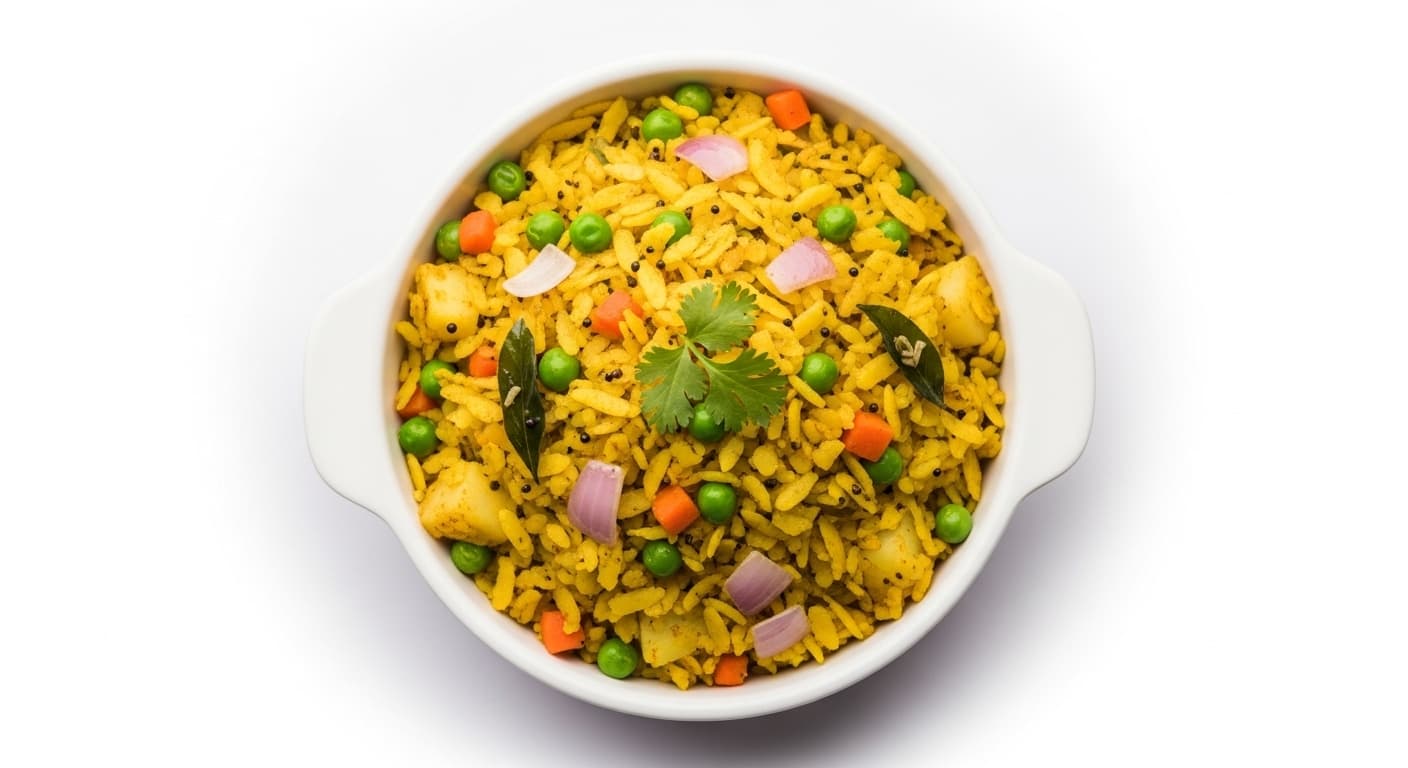
Colourful Vegetable Poha for Thyroid: The Thyroid-Friendly 15-Minute Breakfast
A wholesome Indian recipe crafted for health-conscious eating: nutritious, delicious, and easy to make at home.
Poha (flattened rice) is one of India's most widely eaten breakfasts, and when made correctly (with the right vegetables, peanuts, and most importantly, iodised salt) it becomes a genuinely thyroid-supportive meal. Poha is moderately iron-fortified in many commercial brands, and iron is a direct cofactor for thyroid peroxidase, the enzyme that synthesises thyroid hormones. The peanuts in this recipe add crunch, selenium (7mcg per 30g), and zinc.
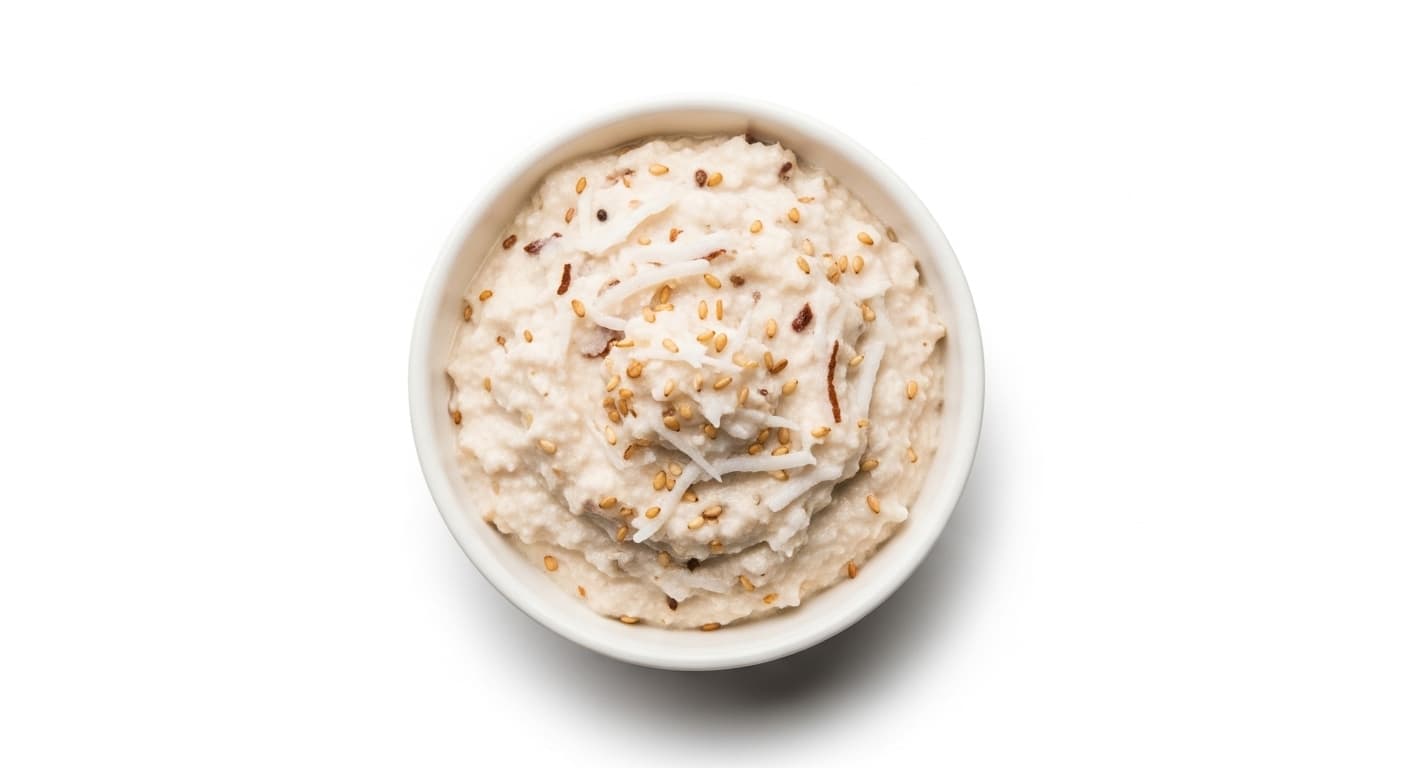
The "colourful" approach here isn't just about appearance, each coloured vegetable adds something specific. Purple cabbage brings anthocyanins (anti-inflammatory); capsicum provides Vitamin C (which improves iron absorption from the poha); carrots add beta-carotene. The combination creates a nutritionally rich, bright dish that's ready in 15 minutes and pairs beautifully with the coconut sesame chutney in this collection.
Ingredients
How to Make It
Rinse the poha in a colander under running water for 10-15 seconds: just a quick rinse, then let it drain for 5 minutes. Over-rinsing makes it mushy. It should be lightly moist and separate, not soaking wet.
Heat oil in a kadhai. Add mustard seeds and let them pop. Add cumin seeds, then curry leaves and green chilli.
Add onion and cook for 3-4 minutes until soft. Add the carrot, capsicum, and peas. Sauté on medium-high for 3-4 minutes.
Add turmeric and mix well. If using purple cabbage, add it now and cook for just 1 minute, you want it slightly wilted but still holding its colour.
Add the rinsed, drained poha. Fold gently with a spatula rather than stirring aggressively, folding keeps the flakes intact.
Add iodised salt. Toss gently on low heat for 2 minutes until the poha is heated through and everything is well combined.
Add roasted peanuts and toss once more.
Remove from heat. Add lemon juice and fresh coriander. Serve immediately.
Nutrition per serving
* Approximate values per serving
Health Benefits
The iodised salt in this recipe is the most impactful thyroid-supportive ingredient: without it, poha provides essentially no iodine. Using iodised salt consistently across all home cooking is the single most important dietary change for thyroid health in India, where soil iodine is deficient across large inland regions. The peanuts provide selenium and zinc, cofactors for thyroid enzyme function. Iron from poha is critical because thyroid peroxidase requires iron to synthesise thyroid hormones; iron deficiency is a frequently overlooked reason for suboptimal thyroid function even in people already taking medication. The colourful vegetables add antioxidants that reduce oxidative stress in thyroid tissue.
Pro Tips
- →Thick poha, not thin, thin poha turns to mush in seconds. Thick poha holds its shape through the cooking and stays pleasant to eat.
- →That quick rinse technique is the most important step. Too little water and the poha is hard and chalky; too much and it becomes porridge. 10-15 seconds under running water, then drain.
- →Iodised salt is non-negotiable for thyroid patients. Rock salt, Himalayan pink salt, and unprocessed sea salt are all low in iodine. Use standard iodised table salt.
- →Roast the peanuts yourself rather than buying pre-roasted, freshly roasted peanuts retain more selenium than those sitting in a bag.
Variations
- 1Add 1 tsp sesame seeds (til) to the tadka after the mustard seeds pop for extra selenium and calcium.
- 2Poha-Corn combo: Add ½ cup sweet corn kernels for natural sweetness and additional fibre.
- 3Mumbai-style egg poha: Mix 2 scrambled eggs into the poha: extremely popular, more filling, and gives a significant protein and iodine boost.
Frequently Asked Questions
You Might Also Like
Get a Personalised Diet Plan
4.9★ on Google • 7,000+ clients helped

