
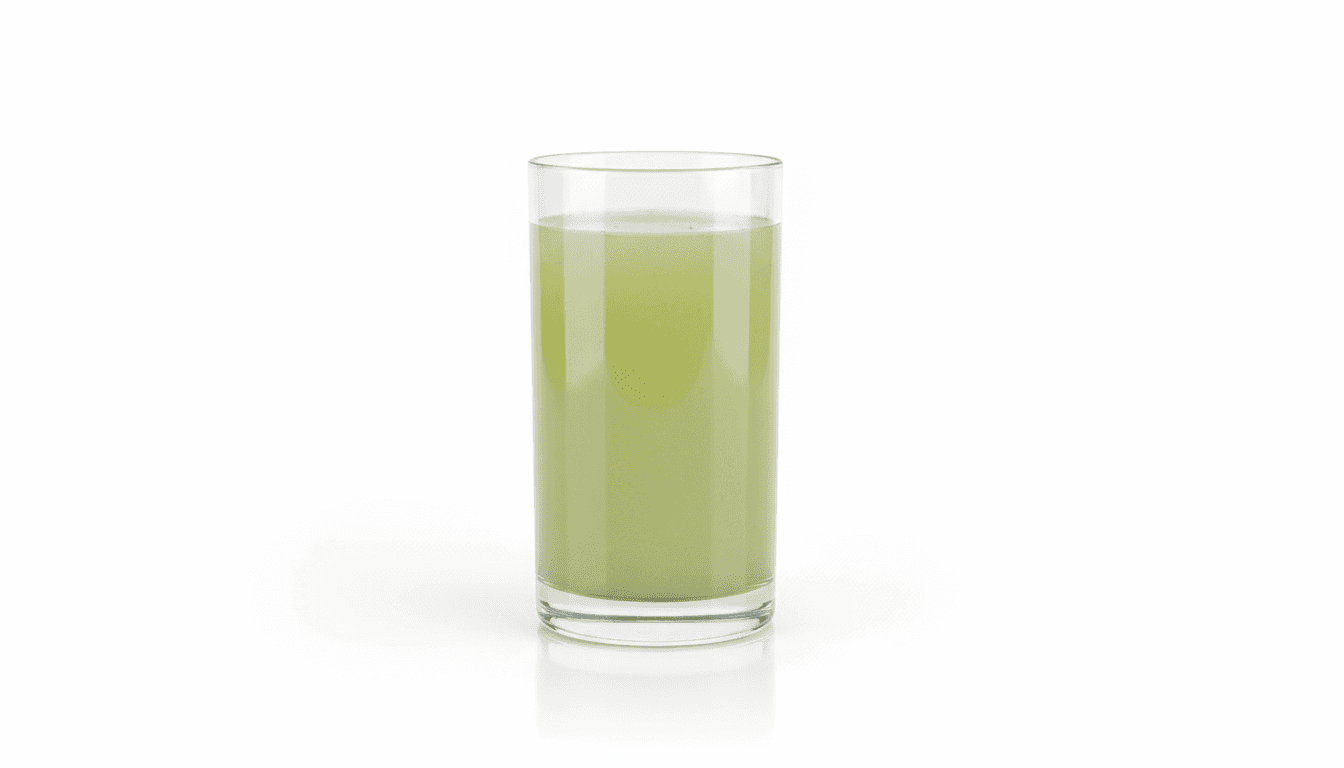
Fresh Amla Juice for Thyroid Health: The Vitamin C Morning Ritual
A wholesome Indian recipe crafted for health-conscious eating: nutritious, delicious, and easy to make at home.
Amla (Indian gooseberry) contains one of the highest concentrations of Vitamin C of any food on earth600-700mg per 100g, about 20 times what you'd get from an orange. For thyroid health, this Vitamin C is not incidental. The thyroid gland produces hydrogen peroxide as a byproduct of making thyroid hormone, and without adequate antioxidants, this hydrogen peroxide damages thyroid cells and drives the autoimmune inflammation in Hashimoto's. Daily high-dose Vitamin C from amla significantly reduces this oxidative burden.
Amla is also rich in polyphenols (emblicanin A and B) that specifically reduce oxidative markers in thyroid tissue. Research in the Journal of Clinical Biochemistry and Nutrition found amla supplementation reduced a key oxidative stress marker by 28% over 3 months. This recipe blends fresh amla with ginger and a touch of honey, making a morning shot that delivers Vitamin C and polyphenols in 2-3 tablespoons.
Ingredients
How to Make It
Wash the amla thoroughly. Cut each one into wedges around the central seed and discard the seed.
Add the amla wedges, ginger, and water to a blender. Blend on high for 60 seconds until completely smooth.
Strain through a fine mesh sieve or muslin cloth, pressing firmly to extract every drop. You should get about ¼ to ⅓ cup of deep green-yellow juice from 4 amlas.
Add honey if using, a tiny pinch of black salt, and lemon juice. Stir well.
Drink as a 2-3 tablespoon shot, not a full glass, concentrated amla juice is very potent and quite acidic. Take it first thing in the morning on an empty stomach.
Wait 20-30 minutes before eating breakfast. Don't add hot water, heat degrades Vitamin C rapidly.
Wash the blender parts immediately after, amla juice stains badly if left to dry.
Nutrition per serving
* Approximate values per serving
Health Benefits
Amla's extraordinary Vitamin C content (600mg/100g vs 50mg for orange) makes it the most potent accessible antioxidant food for thyroid protection. Vitamin C directly neutralises the hydrogen peroxide produced during thyroid hormone synthesis, protecting both the thyroid cells and the thyroid peroxidase enzyme from oxidative damage. This is especially relevant for Hashimoto's patients, where oxidative stress is a primary driver of thyroid cell destruction. Amla also contains chromium (which improves glucose tolerance, thyroid patients frequently develop insulin resistance), and tannins that reduce inflammation. The emblicanins in amla are among the most potent polyphenolic antioxidants known.
Pro Tips
- →Fresh amla is available October through March in India. In the off-season, frozen amla, properly preserved amla, or amla powder all retain significant Vitamin C and work well.
- →If you take levothyroxine in the morning, wait at least 1-2 hours after the medication before having amla juice. The impact is minimal compared to calcium-containing foods, but spacing is good practice.
- →Fresh amla juice keeps in the fridge for a maximum of 24 hours. Vitamin C degrades quickly even when chilled, making it fresh daily is best.
- →If the sourness is too much to handle as a straight shot, mix it into 100ml of warm water. The dilution is completely fine and you still get the full Vitamin C benefit.
Variations
- 1Amla-Aloe vera shot: Add 1 tsp fresh aloe vera gel for gut-healing benefits alongside the thyroid support.
- 2Amla-Triphala morning water: Soak 1 tsp triphala powder overnight in 200ml water, then add 1 tbsp amla juice in the morning. A classical Ayurvedic combination for both thyroid and digestive support.
- 3Amla-Turmeric shot: Add a pinch of turmeric for combined anti-inflammatory and antioxidant effect, the Vitamin C in amla actually improves curcumin absorption.
Frequently Asked Questions
You Might Also Like
Get a Personalised Diet Plan
4.9★ on Google • 7,000+ clients helped

