Low-GI Rajma Chawal for Diabetics: A Satisfying, Blood-Sugar Friendly Meal
A wholesome Indian recipe crafted for health-conscious eating: nutritious, delicious, and easy to make at home.
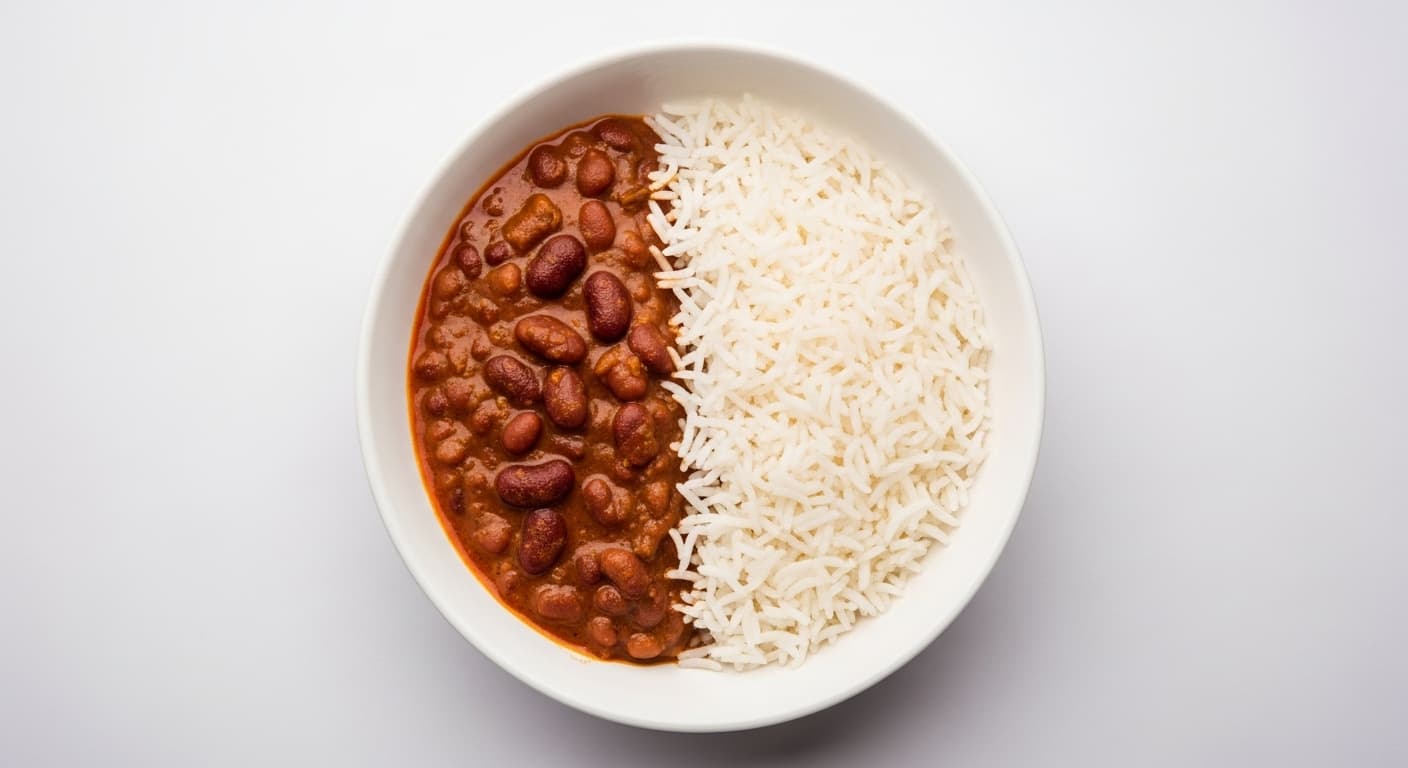
Rajma chawal is the ultimate North Indian comfort food — and diabetics often write it off as "too carby." The reality is more nuanced. Rajma (kidney beans) itself has a glycaemic index of just 29, making it one of the best legumes for blood sugar control. The problem is usually white rice, which spikes glucose sharply. This recipe solves that with brown rice or half-brown-half-basmati rice, and prepares the rajma gravy in a way that keeps its fibre content intact.
The combination of rajma (high in resistant starch and soluble fibre) with properly cooked low-GI rice creates what nutritionists call a "second meal effect" — the fibre from rajma actually softens the blood sugar response to the next meal you eat as well. Pair it with a kachumber salad and you have a genuinely satisfying meal that doesn't require guilt.
Ingredients
How to Make It
Soak rajma overnight—at least 8 hours, not just 4. Longer soaking reduces the compounds that cause gas and also makes the beans cook faster and more evenly. Drain and discard the soaking water.
The drained rajma should be pressure cooked for 5–6 whistles on medium heat with 3 cups of fresh water and a pinch of salt until it is completely tender. You should be able to easily squeeze the beans between your fingers. Set aside 1 cup of the cooking liquid.
After rinsing, cook the brown rice with 2.5 cups of water in a different pot or rice cooker. Plan appropriately because brown rice takes roughly 25 to 30 minutes to cook, while white rice takes 15 minutes.
Heat oil in a kadhai. Add Jeera and a bay leaf. Once the Jeera splutters, add the finely chopped onions. Bhuno on medium flame for 10-12 minutes until deep golden—don't rush this. Properly caramelized onions give the gravy its depth and natural sweetness.
Add garlic and ginger. Sauté 2 minutes. Add all the dry spices — coriander powder, cumin powder, red chilli, turmeric — and bhuno with the onions for 3 minutes, adding a splash of water if it starts to stick. Cook till oil is separated.
Add the tomato puree. Cook on medium-high flame, stirring frequently, for 8-10 minutes until the masala releases oil and the raw smell is completely gone. This step gives the rajma its rich color.
Add the boiled rajma along with the remaining cooking liquid. Stir well and simmer on low heat for 10–12 minutes. Mash a few beans with the back of the spoon to naturally thicken the gravy—no cornstarch needed. Add garam masala and adjust salt.
Serve a medium katori of rajma with ¾ katori of rice. Garnish with fresh coriander. A kachumber salad on the side (cucumber, tomato, onion with lemon) adds more fibre and helps keep the glycaemic response lower.
Nutrition per serving
* Approximate values per serving
Health Benefits
Kidney beans are exceptional for people with diabetes, mainly because of their resistant starch and soluble fibre — especially pectin. This fibre forms a viscous layer in the small intestine that physically slows glucose absorption. The GI of kidney beans is just 29, lower than most vegetables. The 14g of protein per serving contributes to satiety and helps stabilise post-meal blood sugar. Brown rice, while higher GI than the beans alone, is significantly better than white rice (GI 50 vs 73), and the blended GI of rajma + rice together sits well below 55. Kidney beans are also rich in magnesium — a mineral that improves insulin receptor sensitivity and one that most Indians are chronically short on.
Pro Tips
- →Soak rajma overnight, not just 4 hours. A full 8-12 hour soak reduces the compounds blocking mineral absorption by up to 50% and makes the beans far more digestible.
- →Mash 15-20% of the cooked rajma before adding to the gravy — this naturally thickens it without any cream or cornstarch, keeping the dish lighter.
- →Eat rajma chawal at lunch rather than dinner — your insulin sensitivity is naturally higher earlier in the day, meaning the same meal causes a smaller blood sugar rise at noon versus 8pm.
- →Always pair with raw vegetables or kachumber salad — the extra fibre and the lemon juice further reduce the glycaemic impact of the meal.
Variations
- 1Replace brown rice with a mix of rice + moong dal (3:1 ratio) to make it closer to khichdi — even lower GI and higher protein.
- 2Add spinach (palak) to the gravy in the last 5 minutes for additional iron and folate — especially good for women with diabetes.
- 3For a weight-loss version, serve only 1 small katori of rice and double the rajma portion — more protein and fibre with fewer carbs.
Frequently Asked Questions
You Might Also Like
Get a Personalised Diet Plan
4.9★ on Google • 7,000+ clients helped

