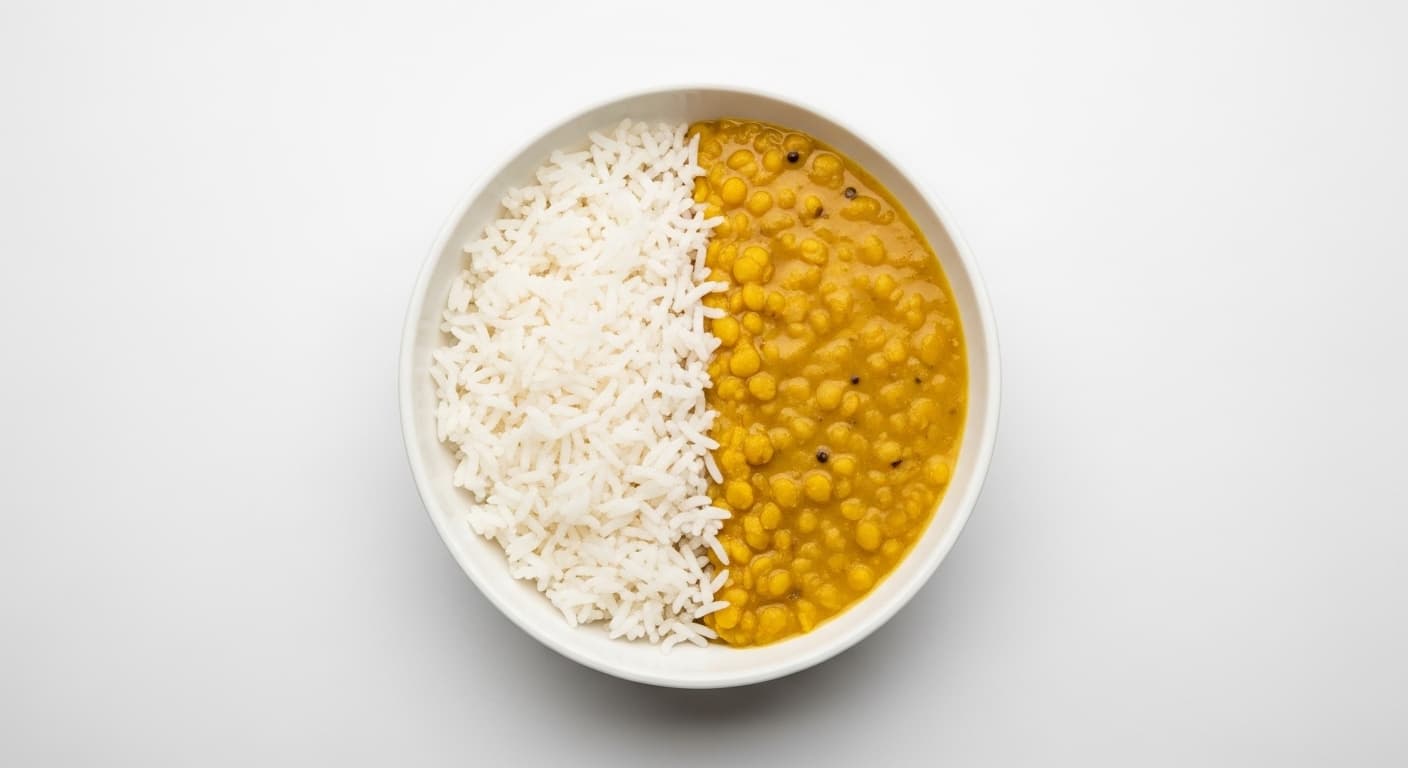
Kidney-Safe White Rice with Toor Dal: The CKD-Friendly Complete Indian Meal
A wholesome Indian recipe crafted for health-conscious eating: nutritious, delicious, and easy to make at home.
The conventional wisdom that "brown rice is healthier than white rice" is reversed for CKD patients. Brown rice contains significantly more phosphorus (150mg vs 68mg per 100g), and damaged kidneys cannot excrete excess phosphorus, leading to hyperphosphatemia that damages bones and blood vessels. White rice, avoided in most other health conditions, is the appropriate choice for CKD patients precisely because the milling process removes phosphorus.
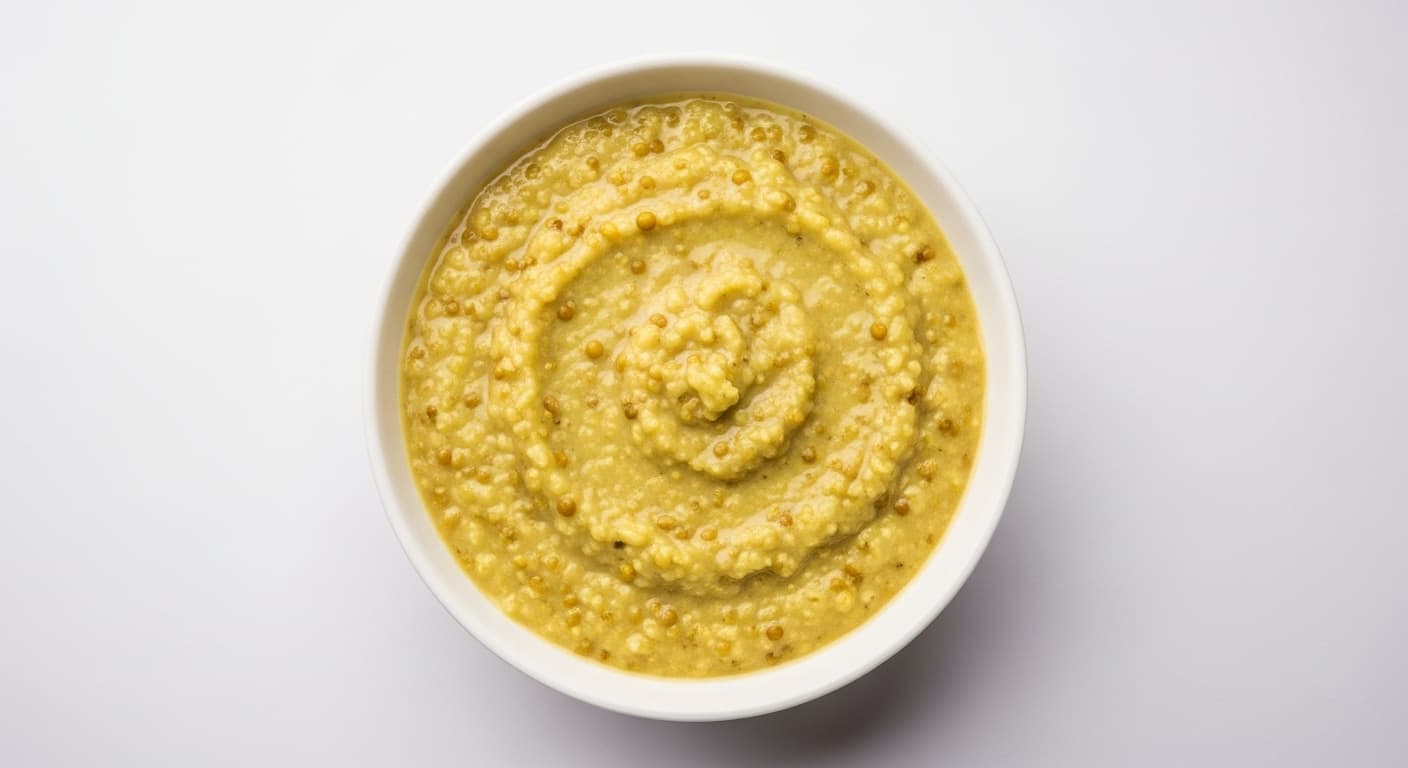
Toor dal (split pigeon peas) provides protein, critical for kidney patients who are often protein-restricted but still need adequate amounts to prevent muscle wasting. How much protein a CKD patient needs depends on the stage and whether they're on dialysis. This recipe is calibrated for pre-dialysis CKD (stages 3 to 4) where moderate protein restriction (0.6 to 0.8g per kg body weight) is typically recommended. The leaching technique described reduces phosphorus and potassium further, making this meal appropriate for most CKD stages.
Ingredients
How to Make It
Leach the toor dal (required for CKD): Soak toor dal in water for 2 hours. Drain and discard the soaking water. This removes some potassium and phosphorus.
Cook the leached toor dal in fresh water (4 cups) in a pressure cooker with a pinch of turmeric for 3 to 4 whistles until completely soft.
Cook rice separately with 2 cups water using the absorption method. Don't drain the cooking water, draining also removes some potassium.
In a small pan, heat ghee. Add cumin and hing. When they splutter, add ginger. Cook for 30 seconds.
Add the cooked dal to this tadka. Add minimal salt. Simmer for 5 minutes.
Add lemon juice. The lemon improves flavour without adding significant potassium.
Serve a moderate portion of white rice with a medium katori of dal. Add a very small drizzle of ghee if your nephrologist's fat recommendations allow it.
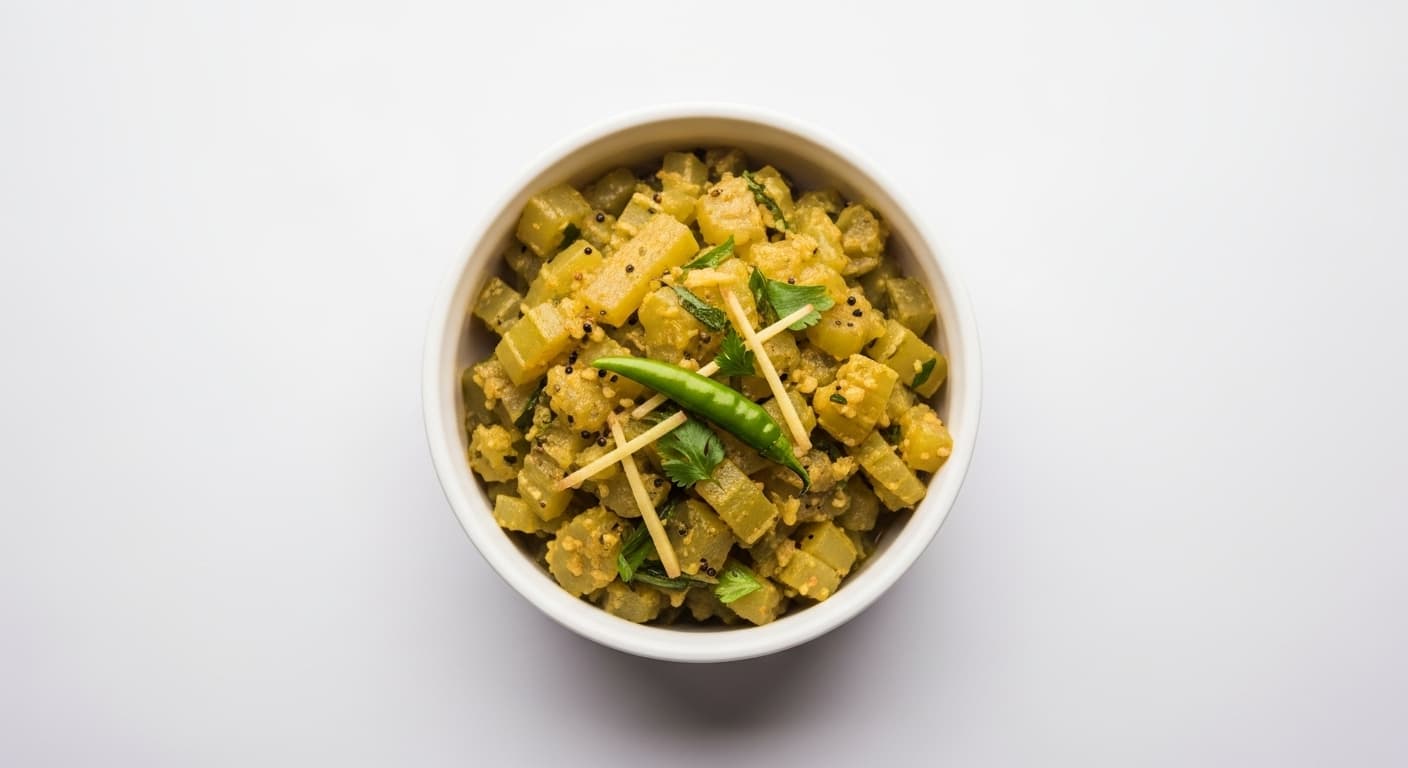
Pair with lauki sabzi for a complete kidney-friendly meal.
Nutrition per serving
* Approximate values per serving
Health Benefits
White rice with toor dal provides the most kidney-safe complete protein combination in Indian cuisine. The dal's protein (12g per serving) gives essential amino acids for muscle maintenance without the phosphorus burden of meat proteins. White rice's low phosphorus (68mg vs 150mg in brown rice) is the primary reason it's preferred for CKD, phosphorus restriction is critical because excess phosphorus causes secondary hyperparathyroidism, bone disease, and cardiovascular complications. Soaking and leaching toor dal removes 30 to 50 percent of its potassium, making it significantly safer for CKD patients who need potassium restriction. Ghee provides calories (important as CKD patients often under-eat) and fat-soluble vitamins.
Pro Tips
- →The soaking step for toor dal is not optional for CKD patients: this is a medical dietary recommendation, not a general cooking tip. Always soak and discard soaking water.
- →Skip tomatoes in the toor dal for kidney patients, tomatoes add significant potassium. The simple cumin-hing-ginger tadka in this recipe is the correct approach.
- →Measure your portions carefully, kidney patients have precise protein and potassium targets. A standard portion is 1 medium katori dal and ¾ katori rice per meal.
- →If you are on dialysis, your protein requirements are actually higher (1.2 to 1.5g per kg per day) because dialysis removes amino acids. Work with your renal dietitian for specific targets.
Variations
- 1Replace toor dal with yellow split moong dal for an even gentler option, moong is lower in phosphorus and highly digestible, suitable for CKD patients with digestive issues.
- 2For CKD stages 1 to 2 (less restriction needed): Add ¼ cup chopped, leached carrots to the dal for beta-carotene and fibre.
- 3Moong-rice khichdi (similar to gut-moong-khichdi but with less ghee and strictly minimal salt) is an even more kidney-gentle variation for flare periods.
Frequently Asked Questions
You Might Also Like
Get a Personalised Diet Plan
4.9★ on Google • 7,000+ clients helped

