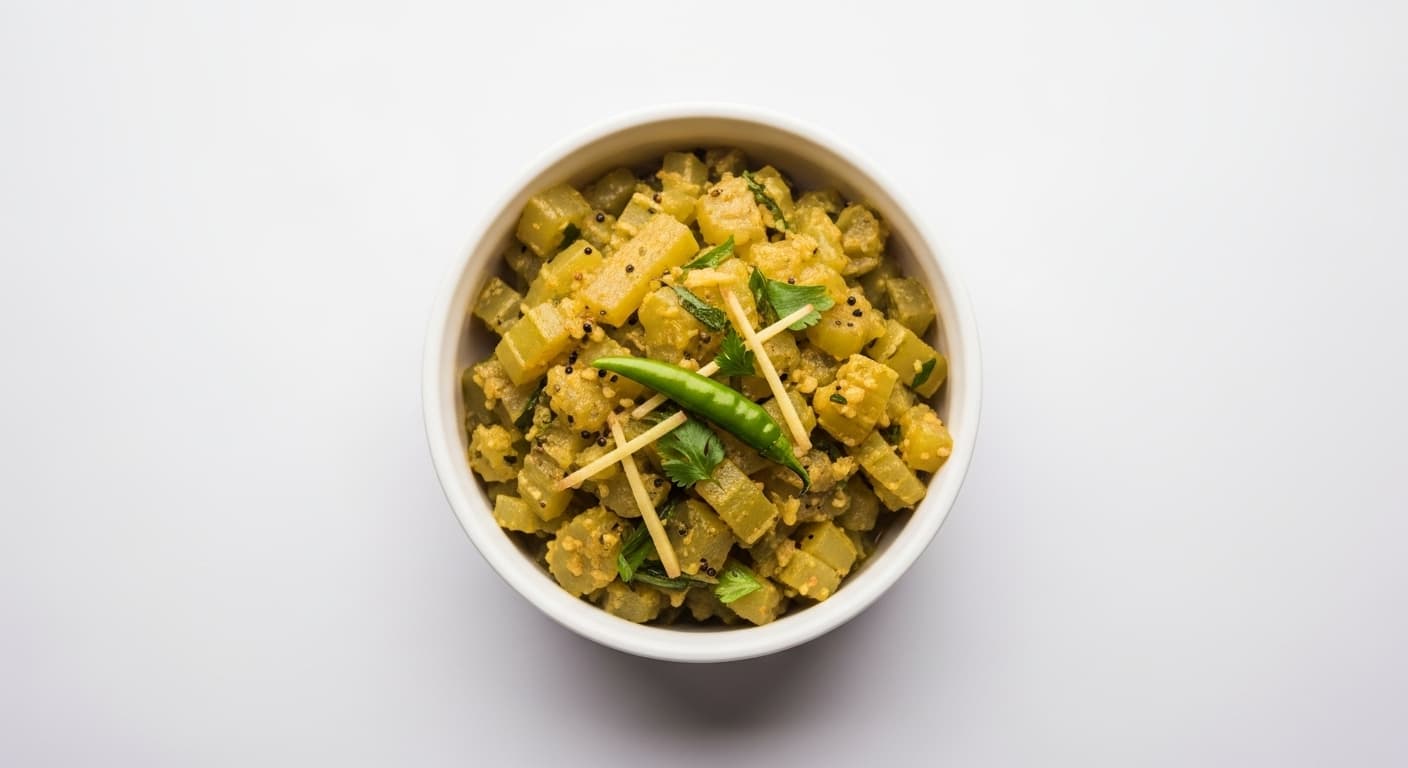
Low-Potassium Bottle Gourd Sabzi: The Kidney-Safe Indian Vegetable
A wholesome Indian recipe crafted for health-conscious eating: nutritious, delicious, and easy to make at home.
Managing chronic kidney disease through diet means avoiding high-potassium, high-phosphorus, and high-sodium foods (a constraint that rules out most of the nutrient-dense vegetables typically recommended for general health (spinach, tomatoes, potatoes). Lauki (bottle gourd, dudhi) is one of the few vegetables that is genuinely kidney-safe) only 150mg potassium per 100g (compared to 558mg in spinach and 535mg in tomatoes), very low phosphorus, predominantly water, and virtually no oxalates.
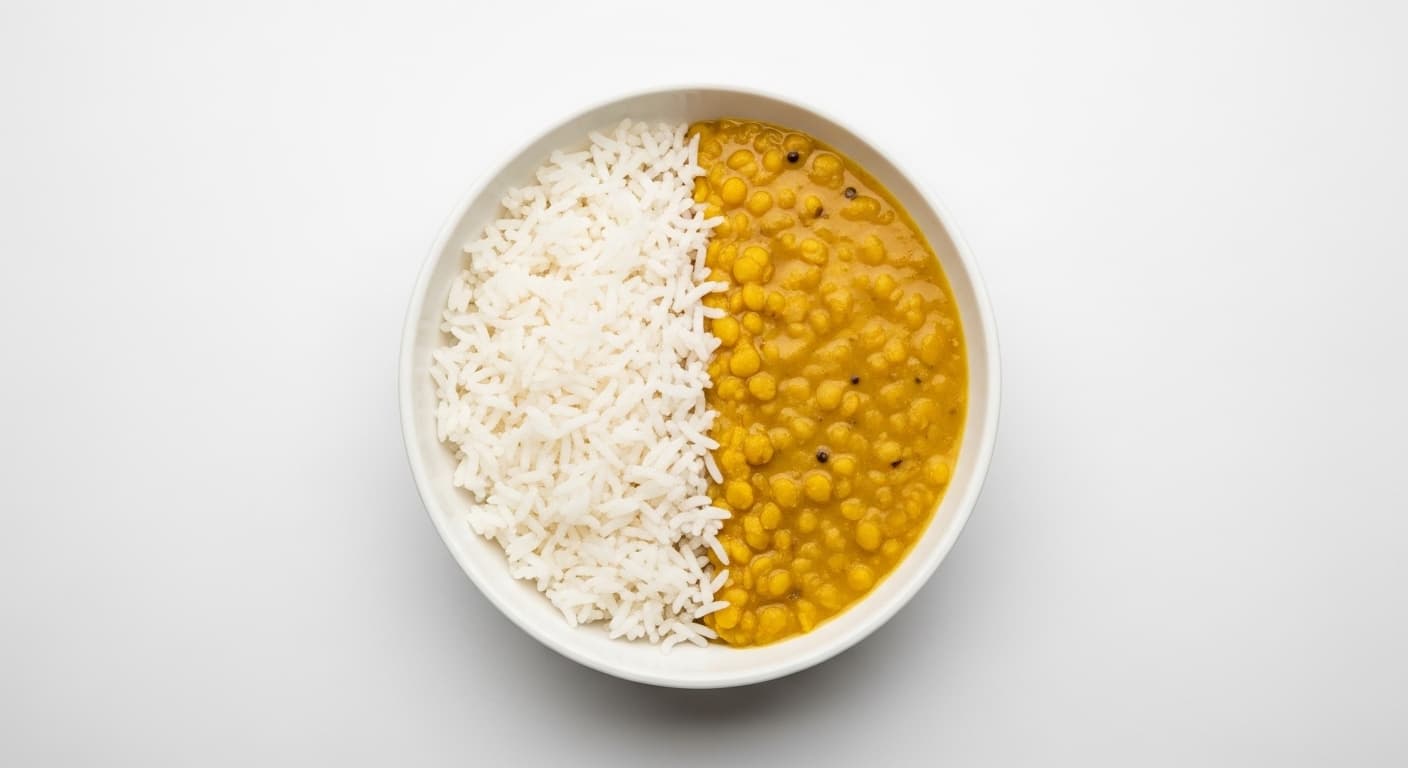
Lauki is also intensely soothing and cooling for the kidneys, Ayurvedic medicine prescribes it specifically for kidney and urinary tract conditions as a diuretic and cooling agent. This simple sabzi uses minimal spices and salt, making it appropriate even for advanced CKD patients under strict dietary restriction. It pairs with white rice and dal (see the Kidney-Safe White Rice with Toor Dal recipe) for a complete kidney-friendly Indian meal.
Ingredients
How to Make It
Peel lauki and dice into 1-inch cubes. Lauki has very high water content and cooks quickly.
If you're following a strict low-potassium diet: after dicing, boil the lauki pieces in a large amount of water for 5 minutes. Drain and discard the cooking water. This "leaching" technique removes additional potassium.
Heat oil in a pan. Add cumin seeds. When they splutter, add green chilli and ginger.
Add onion. Cook until soft, 3 to 4 minutes.
Add turmeric and coriander powder. Mix well.
Add lauki pieces. Stir, cover, and cook on medium heat for 10 to 12 minutes.
Lauki releases its own water as it cooks, no additional water needed. Stir every 3 to 4 minutes.
Once lauki is completely soft and slightly translucent, add minimal salt. Taste carefully.
Garnish with fresh coriander. Serve with plain white rice, not brown rice, brown rice is higher in phosphorus.
Nutrition per serving
* Approximate values per serving
Health Benefits
Lauki is the ideal vegetable for kidney patients because its mineral profile is almost uniquely suited to renal dietary restrictions. At only 150mg potassium and 13mg phosphorus per 100g, it places minimal burden on the kidneys' filtering capacity. Its 96 percent water content helps maintain hydration without adding electrolyte load. Lauki contains cucurbitin (anti-inflammatory), significant Vitamin C, and luteolin, all anti-inflammatory compounds that may reduce the chronic low-grade inflammation that accelerates CKD progression. Lauki's fibre is predominantly soluble pectin, which binds to dietary phosphorus and reduces its absorption, an additional benefit for CKD patients who need to limit phosphorus intake.
Pro Tips
- →The leaching technique (boiling and discarding cooking water) is clinically endorsed for CKD patients to remove additional potassium from vegetables. Apply this to all vegetables in a CKD diet, not just lauki.
- →Use minimal salt: even iodised salt should be used sparingly for kidney patients. If your doctor has prescribed a very low sodium diet, use potassium-free salt substitutes carefully and only as directed.
- →Skip tomatoes in this sabzi, tomatoes are high in potassium (237mg per medium tomato) and not suitable for CKD.
- →Always consult your nephrologist and nutritionist for personalised CKD dietary advice: the guidelines here are general, and individual needs vary significantly by CKD stage.
Variations
- 1Lauki-Ginger soup: Cook lauki with ginger, cumin, and minimal salt in water to make a thin, kidney-safe soup, excellent for CKD patients who need increased fluid intake.
- 2Lauki-Chana dal sabzi (for early-stage CKD only, check with your doctor): Add boiled and leached chana dal for protein, only if your potassium and phosphorus targets allow it.
- 3Pumpkin (red or yellow variety) works as an alternative to lauki and is also kidney-safe at early-to-mid CKD stages when leached properly.
Frequently Asked Questions
You Might Also Like
Get a Personalised Diet Plan
4.9★ on Google • 7,000+ clients helped

