
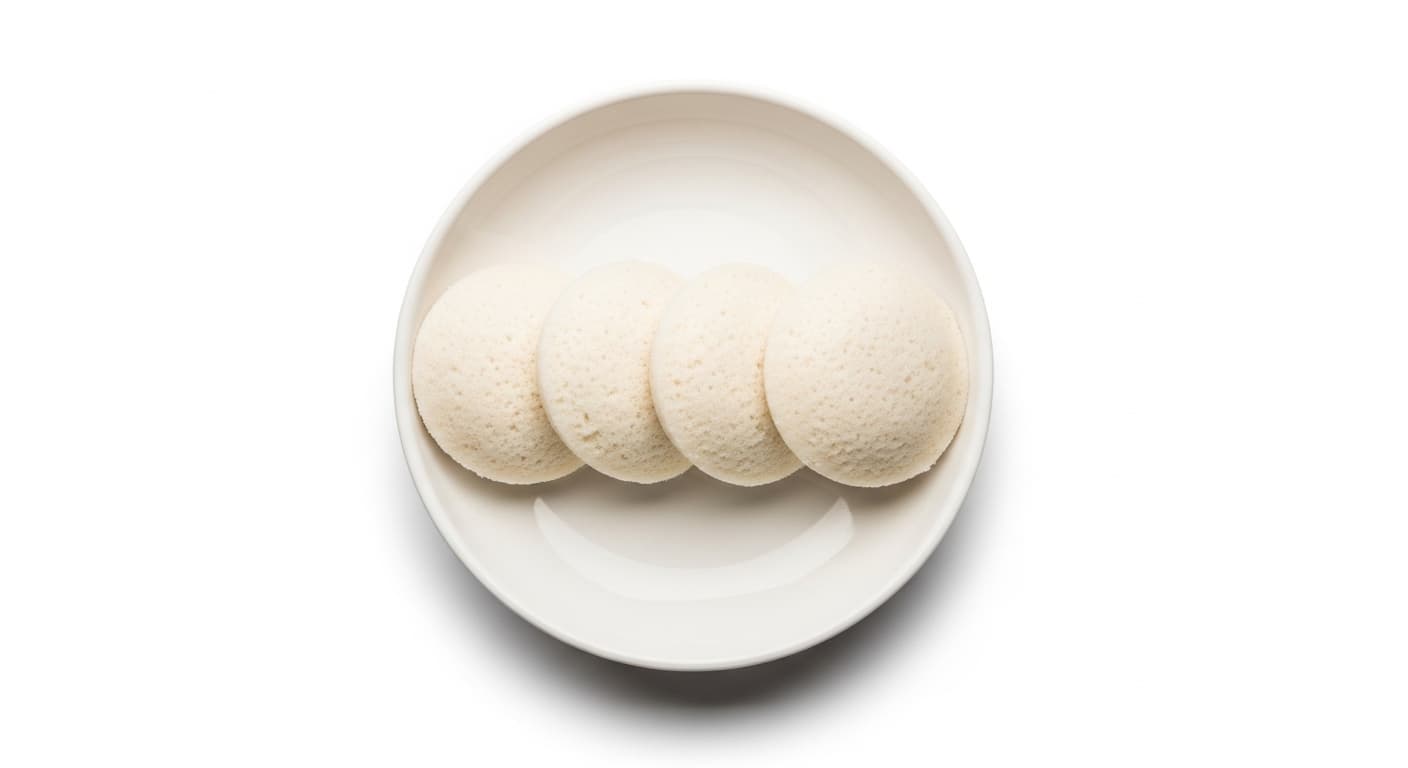
Perfectly Fermented Soft Idli: South India's Most Powerful Probiotic Food
A wholesome Indian recipe crafted for health-conscious eating: nutritious, delicious, and easy to make at home.
Idli, the steamed rice-lentil cake eaten throughout South India, is one of the world's most perfectly fermented foods. The 12-14 hour fermentation process at warm Indian room temperature transforms raw rice and urad dal into a batter populated with billions of Leuconostoc mesenteroides and Enterococcus faecalis, lactic acid bacteria that are the primary fermenters in idli batter. This fermentation reduces the batter's pH, improves protein digestibility by 50%, increases B vitamin content, and produces the live bacteria that make idli a genuine probiotic food (not just a soft, healthy breakfast.
The key to maximally probiotic idli is the fermentation process itself) and most home cooks rush it or don't understand what they're looking for. This recipe focuses heavily on getting fermentation right. Temperature, timing, and the rice-to-urad dal ratio all determine whether you end up with a probiotic-dense fermented food or just a steamed cake without the gut health benefit.
Ingredients
How to Make It
Soak rice and fenugreek seeds together in water for 6 hours. Soak urad dal separately for 4 hours.
Grind urad dal first: add to a wet grinder or powerful blender with minimal water. Grind for 10-15 minutes until it becomes extremely smooth, white, and fluffy, almost like stiff beaten egg whites. The air incorporation during grinding is what makes idlis spongy. Don't rush this step.
Grind soaked rice to a slightly coarser batter: not completely smooth, a slight texture is correct.
Combine both batters. Add salt. The combined batter should be thick but pourable, not watery.
Fermentation: this is the critical step. Place batter in a large container (it will double in size). Cover loosely, not airtight. Place in a warm spot: inside the oven with just the light on (about 30-35°C), or wrap in a thick cloth in winter.
Ferment for 12-14 hours. You know it's ready when: (1) it has roughly doubled in volume, (2) it smells pleasantly sour, and (3) the texture is light and airy with small bubbles throughout.
Heat idli steamer. Grease moulds with a few drops of oil. Fill each mould three-quarters full, they expand during steaming.
Steam for 10-12 minutes. An idli is done when a knife inserted in the centre comes out clean. Rest 2 minutes before unmoulding. Serve hot with coconut chutney and sambar.
Nutrition per serving
* Approximate values per serving
Health Benefits
Well-fermented idli provides three distinct gut health benefits that no other common Indian breakfast can match. First, the live lactic acid bacteria (Leuconostoc, Enterococcus) survive the steaming process to some extent and colonise the gut upon consumption, functioning as probiotics. Second, the fermentation process produces GABA (gamma-aminobutyric acid), a neurotransmitter with calming effects that also influences the gut-brain axis, explaining why many South Indians instinctively reach for idli when they're stressed or unwell. Third, the organic acids produced during fermentation create an acidic environment in the gut that inhibits pathogen growth and promotes beneficial bacterial diversity. The urad dal in idli provides exceptional soluble fibre that, post-fermentation, functions as a prebiotic feeding further gut bacterial growth. No other common Indian breakfast food gives you this combination of probiotic plus prebiotic benefit in one meal.
Pro Tips
- →The grinding step makes or breaks idli quality. Urad dal must be ground until it's aerated and fluffy, 10-15 minutes minimum in a blender, less in a professional wet grinder. Under-ground dal makes dense, heavy idlis that are disappointing and don't ferment as well.
- →Fermentation temperature is critical: below 25°C and fermentation is slow or incomplete; above 38°C and harmful bacteria start to outcompete the beneficial ones. The sweet spot is 30-35°C.
- →Living in a cold climate or it's winter? The oven with just the light on (around 35°C), near a hot water heater, or wrapped in a warm blanket all work reliably.
- →Well-fermented batter keeps in the fridge for 4-5 days. Refrigerate after fermentation is complete to preserve the live bacteria and prevent over-fermentation.
Variations
- 1Ragi idli: replace ½ cup rice with ragi flour mixed into the batter after fermentation, adds calcium and a lower GI without disrupting the fermentation.
- 2Oats idli: replace half the rice with rolled oats for higher fibre, higher protein, and a lower GI idli, grind soaked oats with the rice.
- 3Palak idli: add ½ cup spinach puree to the fermented batter for iron-fortified green idlis, children often love the colour.
Frequently Asked Questions
You Might Also Like
Get a Personalised Diet Plan
4.9★ on Google • 7,000+ clients helped

