Probiotic Curd Rice for Gut Health: South India's Original Gut Healer
A wholesome Indian recipe crafted for health-conscious eating: nutritious, delicious, and easy to make at home.
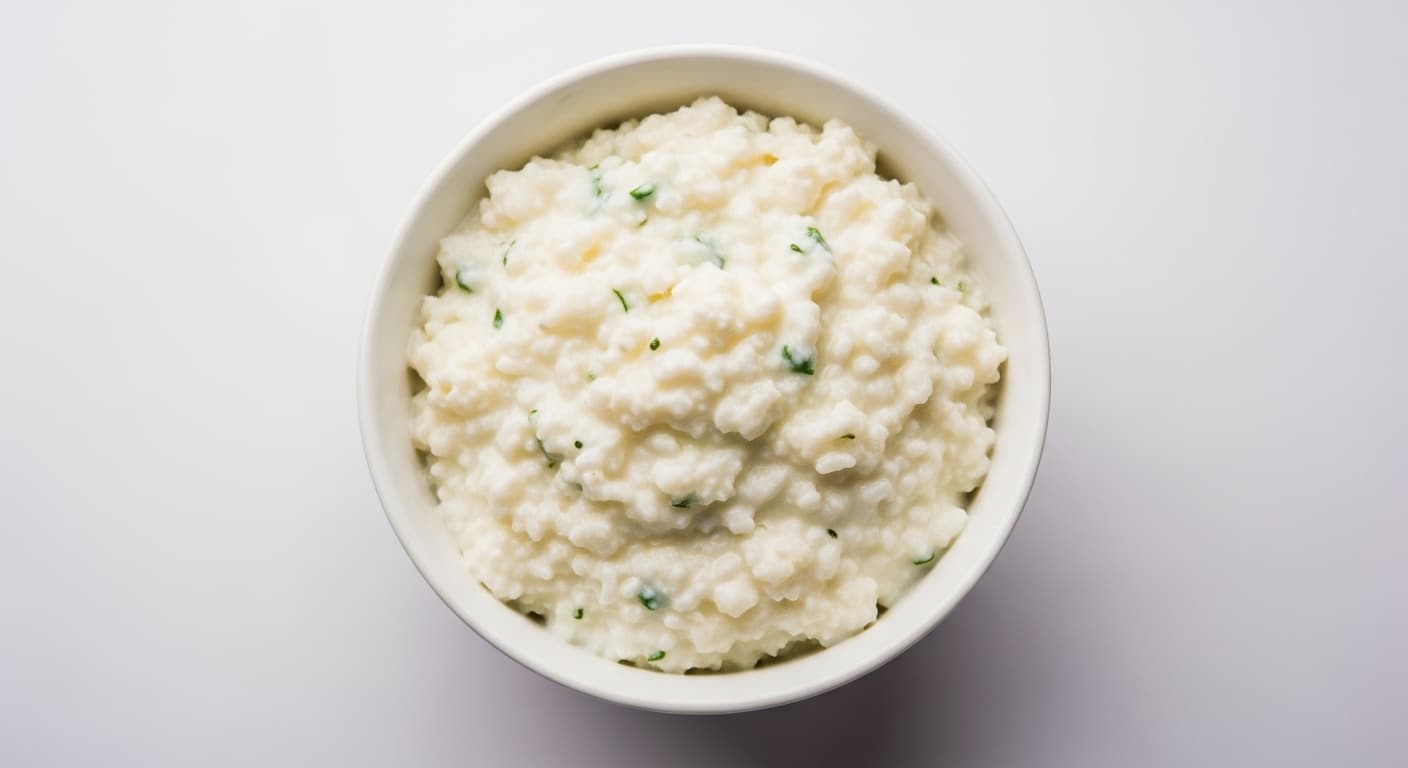
Curd rice (thayir sadam in Tamil, dahi chawal in Hindi) is South India's most ancient and beloved comfort food, and modern gut microbiome research has finally caught up with its wisdom. Fresh homemade curd contains billions of live Lactobacillus bacteria that, when consumed regularly, increase the diversity of gut microbiota, which is now considered the single most important marker of long-term gut health. Gut microbiome diversity is linked to reduced inflammation, better mental health, stronger immunity, and healthier weight management. This isn't new-age wellness talk; it's well-established gastroenterology.
This recipe uses lightly mashed cooked rice as the base, and here's the interesting part: when cooked rice cools, its starch partially converts to resistant starch, a prebiotic that feeds the probiotic bacteria from the curd. So you're getting a symbiotic food that nourishes gut health from both ends. The tadka of mustard seeds, curry leaves, and ginger adds a digestion-enhancing layer that reduces the bloating many people with poor gut health experience after meals.
Ingredients
How to Make It
Lightly mash the cooled rice with a spoon: not into a paste, just breaking up the larger grains. This texture holds the curd much better.
Mix the curd with milk until smooth and creamy. If the curd is too sour from sitting in the fridge, a bit more milk balances it nicely.
Add the curd mixture to the rice. Mix gently. Add grated cucumber, carrot, green chilli, and ginger. Mix well. The mixture should be creamy but not watery.
Taste and add salt. Go slightly lighter than you normally would, the curd's natural sourness is already doing flavour work.
For the tadka: heat oil in a small tadka pan. Add mustard seeds and cover, they'll splutter. Add urad dal and fry 30 seconds until golden. Add dry red chilli, curry leaves, and hing.
Pour the hot tadka immediately over the curd rice. That sizzle and aroma is the soul of this dish.
Garnish with pomegranate arils and fresh coriander. Serve immediately.
Serve at room temperature: not cold from the fridge, not hot. Room temperature is where the probiotics are most active and the flavour is best.
Nutrition per serving
* Approximate values per serving
Health Benefits
Fresh homemade curd provides 10^8 to 10^9 colony-forming units of live Lactobacillus bacteria per 100g. These bacteria are acid-tolerant, so they survive passage through stomach acid and successfully colonise the large intestine, increasing microbiome diversity. Multiple randomised controlled trials show regular curd consumption reduces gut inflammation markers, eases IBS symptoms, and strengthens the intestinal mucosal barrier that prevents leaky gut. Cooked and cooled rice creates resistant starch that acts as a prebiotic, feeding the incoming bacteria. The mustard seeds in the tadka contain glucosinolates with their own prebiotic effects. Pomegranate's ellagitannins are converted by gut bacteria into urolithin A, a compound with powerful anti-inflammatory action on the intestinal wall. Every component of this dish is doing something useful.
Pro Tips
- →The single most important variable here is curd quality. Commercial yogurt with 'live cultures' works, but fresh homemade curd set at room temperature has a significantly higher live bacteria count. If gut health is the goal, make your own.
- →Cooled rice is genuinely better than freshly cooked, cooling converts more starch to resistant starch, amplifying the prebiotic component. Room temperature or gently warmed is ideal.
- →Don't eat this cold from the fridge. Cold temperatures suppress probiotic bacteria activity and the texture becomes unpleasant. Room temperature is the right call.
- →Pour the tadka at the table just before eating, this preserves the aromatics and creates that maximum sensory experience the dish is known for.
Variations
- 1Add 2 tbsp chopped mango or grapes for a sweet-savoury version, traditional in Tamil Nadu during festivals. The fruit adds prebiotic fructooligosaccharides.
- 2Methi curd rice: add 2 tbsp finely chopped fresh methi for a bitter, complex flavour with added insulin-sensitising properties.
- 3For PCOS gut health: add 1 tbsp ground flaxseeds to the curd rice, the lignans survive the gut environment and are metabolised by gut bacteria into beneficial enterolignans.
Frequently Asked Questions
You Might Also Like
Get a Personalised Diet Plan
4.9★ on Google • 7,000+ clients helped

