
Spearmint Tea for PCOS: Does It Really Work?
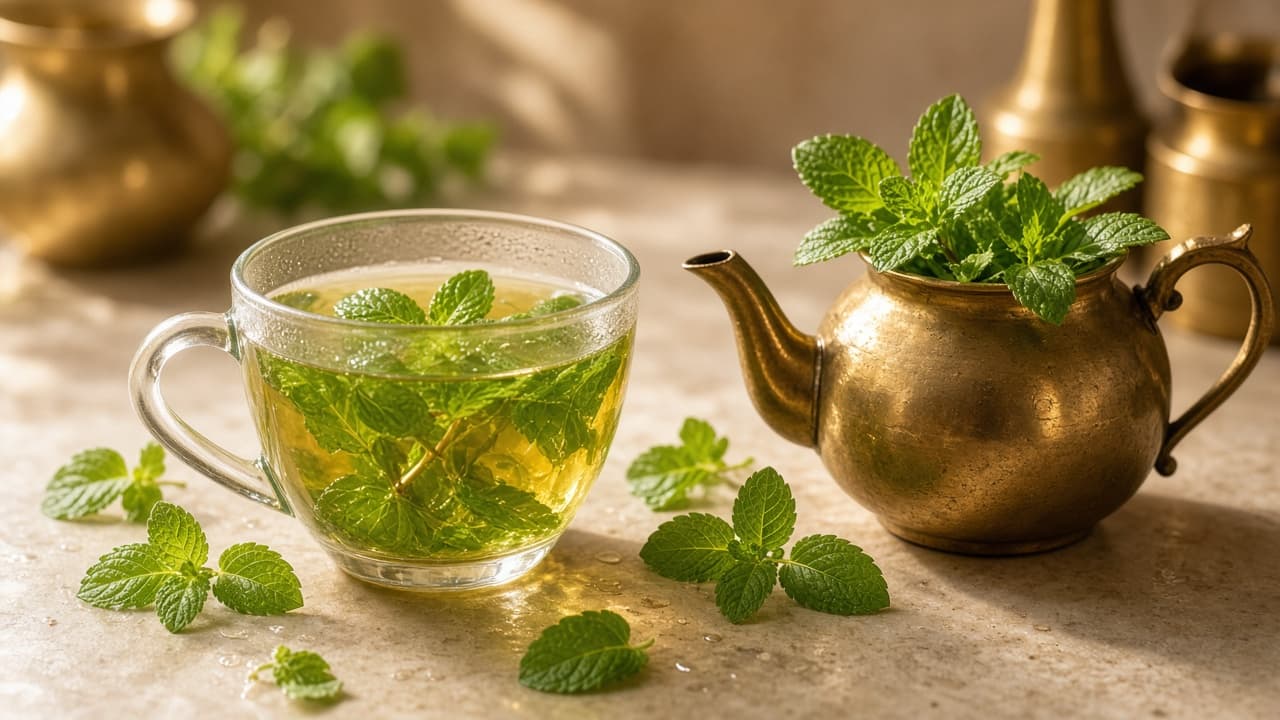
Spearmint Tea for PCOS: Does It Really Work?
Spearmint tea has some real, if limited, research behind it for PCOS symptoms like excess facial hair. Here is what it can and cannot do, and how to use it sensibly.
Short answer: spearmint tea may help a little with one specific PCOS symptom, unwanted facial and body hair, by modestly lowering free testosterone. It is not a cure, it will not fix irregular cycles on its own, and it will not cause weight loss. The research behind it is small but real, and two cups a day is cheap and safe for most people, worth adding on top of a proper PCOS diet, not instead of one.
PCOS affects roughly 1 in 5 women in India, and it is one of the most common reasons clients come to the DietGhar team confused and worn out from conflicting advice. A herbal tea that sounds too simple to matter is naturally going to raise doubt, so here is what the actual studies say, not what wellness pages claim they say.
What does spearmint tea actually do for PCOS?
Spearmint (Mentha spicata) contains compounds with a mild anti-androgen effect, meaning they may lower the activity or levels of male hormones like testosterone in the body. In PCOS, excess androgens drive several of the most bothersome symptoms: hirsutism (extra facial or body hair, often on the chin, upper lip, or jawline), jawline acne, and thinning scalp hair.
Using spearmint for this is not a new idea. It has been used in parts of the Middle East as a traditional remedy for excess hair growth long before researchers tested it in a lab. That history explains why spearmint specifically, and not some other mint, became the focus of the studies that exist today.
What does the research really show?
The most cited study is a small randomized trial where women with PCOS and hirsutism drank spearmint tea twice a day for 30 days. By the end of the month, the spearmint group showed a measurable drop in free testosterone compared to a placebo-tea group, along with a modest improvement in self-reported hirsutism. A few smaller follow-up studies found broadly similar, though not dramatic, results.
The catch matters just as much as the result: these trials are small, usually a few dozen women, over about a month. There is no large trial confirming the effect across thousands of women, no data on what a year of daily use looks like, and no evidence it helps with irregular periods, insulin resistance, or weight gain. Anyone claiming spearmint tea treats PCOS is overselling a genuinely small finding.
What the research does support is this: spearmint tea may nudge free testosterone down slightly, which for some women shows up as a bit less new hair growth or less oily skin over several weeks, not days. That is a modest win, but an honest one, and modest wins are still worth having when you are managing a chronic condition.
How much spearmint tea should you drink, and when?
The amount that has actually been tested is about 2 cups a day, generally one in the morning and one in the evening, for around 30 days before you reassess. There is no research showing more speeds up results.
- How to make it: Steep dried or fresh spearmint leaves in hot water for 5 to 10 minutes. Fresh spearmint (pudina) works fine if you cannot find spearmint tea bags.
- When to drink it: Any time works, though many women prefer it after meals since it also eases mild bloating. Avoid it right before bed if it sends you to the bathroom overnight.
- How long before you notice anything: At least 4 to 6 weeks. This is a slow, hormonal effect, not an overnight one. No change after 2 to 3 months usually means it is not doing much for your body specifically.
- Is it caffeine-free? Yes, which makes it a solid swap for an evening chai or coffee, especially if you also deal with PCOS-related sleep trouble.
Spearmint vs peppermint: does it matter?
Yes, and this is a common mix-up. The androgen-lowering research used spearmint, not peppermint. Peppermint (Mentha piperita) is a different plant and has not shown the same effect in studies, some early animal research even hints it might work the opposite way. Check labels carefully. Many packaged "mint tea" blends sold in India mix the two or do not say which mint they contain.
Who should be careful with spearmint tea?
Spearmint tea is generally safe for healthy adults in normal amounts, but a few groups should check with a doctor first.
- Pregnant women: Spearmint in large amounts has traditionally been avoided in pregnancy across several cultures, and there is not enough research to call it safe in concentrated doses. Speak to your doctor if you are pregnant or trying to conceive.
- People with low blood pressure: Spearmint has a mild blood-pressure-lowering effect in some people. If you already run low, watch how you feel and do not stack it carelessly with other things that lower blood pressure.
- Anyone on hormonal medication or fertility treatment: Mention it to your doctor if you are on birth control, anti-androgen medication like spironolactone, or fertility treatment, since it may affect androgen levels alongside them.
- People on blood thinners or diabetes medication: The interaction evidence is thin, but thin evidence is not the same as no risk. A quick check with your doctor or pharmacist costs nothing.
None of this makes spearmint tea dangerous for most people. It just means what any responsible dietitian would say about any herbal habit: check with a doctor if you are pregnant, on medication, or managing another condition alongside PCOS.
Is spearmint tea a real PCOS treatment, or just a nice-to-have?
Honestly, a nice-to-have. PCOS is a hormonal and metabolic condition, and the biggest, most consistently proven lever for managing it is diet, specifically a low-glycemic, high-protein, high-fibre eating pattern that keeps insulin levels steady. Insulin resistance sits at the center of most PCOS cases in Indian women, driving weight gain, irregular cycles, and the androgen excess that spearmint tea only makes a small dent in.
A cup of spearmint tea alongside white rice, sugary chai, and fried snacks all day will not move the needle much. The same tea alongside a plate built around dal, vegetables, whole grains in controlled portions, and enough protein at each meal is a sensible combination. This is exactly the kind of plan the DietGhar team builds for PCOS clients, tailored to your food, your symptoms, and your routine, not a generic template pulled off the internet.
Not sure where your calorie or protein needs even start? DietGhar's free calorie calculator is a reasonable first step before building a full plan.
Get a PCOS Diet Plan Built Around Your Body
Spearmint tea can be a small, safe addition to your routine, but PCOS management needs more than one ingredient. DietGhar's dietitians build plans at ₹499 for 15 days, ₹999 for 30 days, and ₹1,999 for 75 days for PCOS, factoring in your weight, insulin resistance, cycle history, and food habits. Real qualified dietitians, real Indian food, no fad ingredients required. Over 7,000 clients since 2016, 4.9 stars. See the plans and pricing here.
Frequently Asked Questions
Does spearmint tea cure PCOS?
No. There is no cure for PCOS, and spearmint tea is not one either. Small studies suggest it may modestly lower free testosterone and help with symptoms like excess facial hair over several weeks. It does nothing on its own for insulin resistance, weight gain, or irregular periods, which are the core issues in PCOS. Think of it as a minor supporting habit, not a treatment.
Can spearmint tea help with PCOS weight loss?
No, not directly. No study on spearmint tea has shown it causes weight loss in PCOS or otherwise. Any weight change some people notice is more likely from replacing a sugary drink with a caffeine-free herbal tea, not from the spearmint itself. For actual weight loss in PCOS, a low-glycemic, high-protein Indian diet with a modest calorie deficit remains the proven approach.
How many cups of spearmint tea should I drink for PCOS?
The research that showed a benefit used about 2 cups a day, generally one in the morning and one in the evening, over roughly 30 days. There is no evidence that drinking more than this helps further, and no long-term safety data beyond a few months of daily use, so sticking to 2 cups a day is the sensible approach.
Is spearmint tea safe during pregnancy or while on PCOS medication?
Not necessarily, and this is one area to be careful about. Spearmint in concentrated or frequent amounts has traditionally been avoided in pregnancy, and it is worth mentioning to your doctor if you are on hormonal medication, anti-androgen drugs, or fertility treatment, since it may interact with how your body handles androgens. Always check with your doctor before making it a daily habit if you fall into any of these groups.
Should I drink spearmint or peppermint tea for PCOS?
Spearmint, specifically. The studies on lowering androgen levels used spearmint (Mentha spicata), not peppermint (Mentha piperita), and the two are different plants with different effects. Check the packaging carefully, since many mint teas sold in India do not clearly state which mint they contain.
Sources
- Dietary Guidelines for Indians 2024, ICMR National Institute of Nutrition (NIN), Hyderabad
- Indian Food Composition Tables (IFCT) 2017, ICMR National Institute of Nutrition (NIN), Hyderabad
- Healthy diet (fact sheet), World Health Organization
Get Your Personalized Diet Plan Today!
This article provides general information about PCOS management. Download the DietGhar app for a customized Indian diet plan tailored to your body type, health goals, and food preferences: with daily tracking and expert support.
About the Author
Written by The DietGhar Team nutritionists, helping clients since 2016 with personalised Indian diet plans. How our nutritionists work
Popular guides
Diet plans
Articles
- PCOD diet chart, 7-day Indian meal plan
- Insulin resistance diet for Indians
- PCOS acne and skin: diet changes
- Indian keto diet for beginners
- Stress eating and cortisol
- Gluten-free Indian food for celiac disease
- Nutrition for Indians over 60
- South Indian diet for weight loss
- North Indian diet makeover
- Breastfeeding diet chart
- Winter diet and immunity foods
- Best Indian foods for hair growth
- Why crash diets fail
Find a Dietitian Near You
Get personalized nutrition plans from qualified nutritionists in your city. Online consultations available across India.

