Sattu Protein Shake for Athletes: India's Original Protein Supplement
A wholesome Indian recipe crafted for health-conscious eating: nutritious, delicious, and easy to make at home.
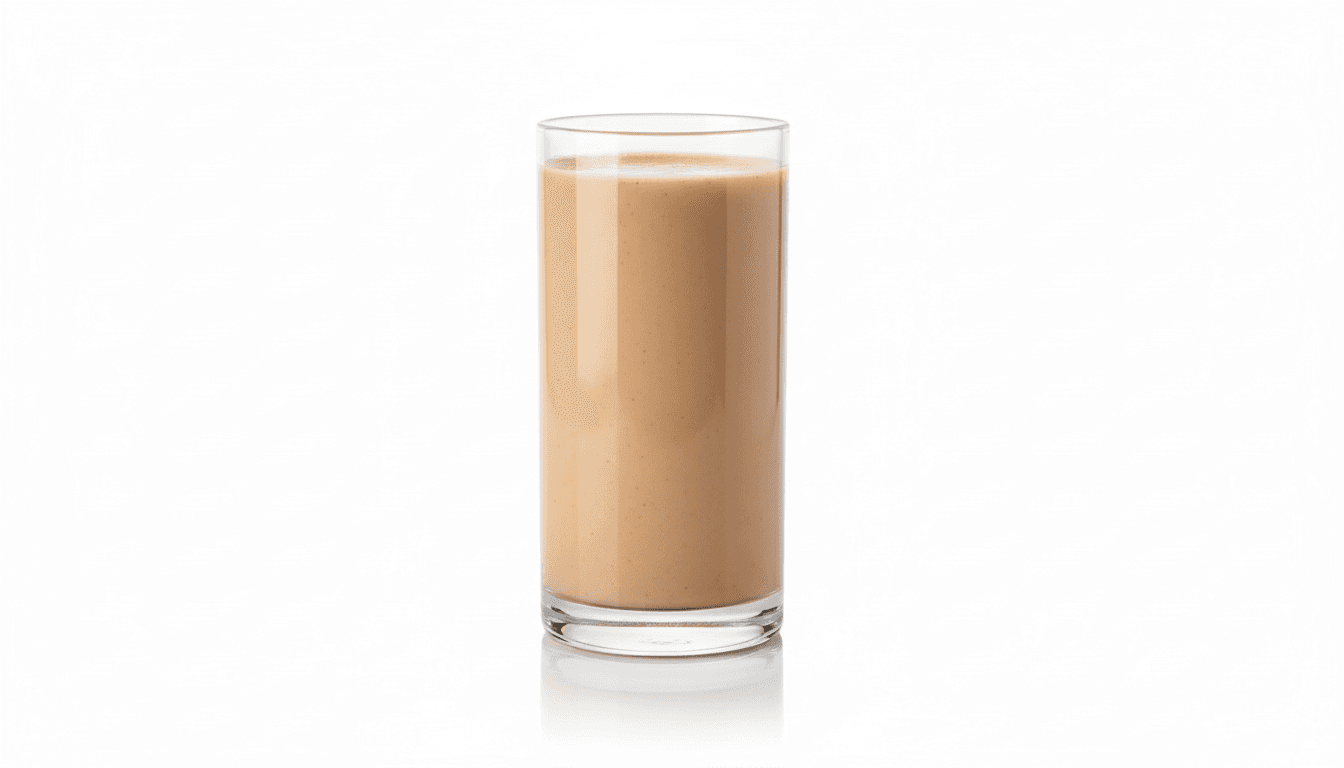
Commercial whey protein supplements cost ₹3,000-6,000 per month and contain ingredients that most people can't pronounce. Sattu, the ancient roasted Bengal gram flour of Bihar, provides 20g protein per 60g serving at a cost of roughly ₹8 per serving. And it's not inferior to whey for muscle recovery: a 2021 study comparing plant proteins found that complete protein intake (sattu is nearly complete, just slightly low in methionine, which you correct by adding milk) produces comparable muscle recovery to whey when you consume adequate quantities post-workout.
This sports version of the sattu shake is built specifically for recovery: a higher sattu quantity, milk for a complete amino acid profile and additional protein, banana for glycogen replenishment, and flaxseeds for anti-inflammatory omega-3 to reduce exercise-induced muscle soreness. It tastes genuinely good and rivals commercial post-workout shakes at about 5% of the cost. Bihar's ancient performance food, finally getting the recognition it deserves.
Ingredients
How to Make It
Add sattu to the blender first. Add 50ml of milk and blend briefly to make a smooth paste, this prevents lumps forming in the final shake.
Add the remaining milk, banana, honey, cardamom, and flaxseeds to the blender.
Blend on high speed for 60 seconds until completely smooth.
Add ice and blend for another 10 seconds.
Taste: add more honey if needed, more milk for a thinner consistency.
Drink within 30-45 minutes of finishing your workout, during the anabolic window when muscle cells are most receptive to glucose and amino acids.
Nutrition per serving
* Approximate values per serving
Health Benefits
Post-workout nutrition needs are protein for muscle repair, carbohydrates for glycogen replenishment, and anti-inflammatory compounds to reduce exercise-induced damage. This shake addresses all three. Sattu plus milk together provide 20g of protein with a near-complete amino acid profile, including 2.4g leucine, the key amino acid that triggers muscle protein synthesis via the mTOR pathway. Banana's simple carbohydrates quickly restore depleted muscle glycogen. Flaxseed's ALA omega-3 reduces the prostaglandin-mediated inflammation that causes delayed onset muscle soreness, studies show consistent omega-3 intake reduces DOMS by 25-30%. Sattu's low GI (32) ensures blood glucose returns to normal levels within 60-90 minutes of consumption, preventing the insulin crash that can promote fat storage post-workout.
Pro Tips
- →Timing: drink within 45 minutes of finishing your workout. This is the window when muscle cells are most receptive to glucose and amino acid uptake.
- →Always make the sattu paste first before adding the rest of the liquid, sattu clumps badly if you add it directly to a full glass of milk.
- →Buy sattu from reputable suppliers, quality varies a lot. Good sattu smells deeply roasted and nutty. Pale, odourless sattu is either old or made from underroasted gram.
- →If you train twice a day, have one sattu shake after each session and make sure you're meeting your total daily protein target, 1.6-2g per kg body weight for strength athletes.
Variations
- 1Add 1 tbsp unsweetened cocoa powder for a chocolate sattu shake, cocoa flavanols also improve post-exercise blood flow and muscle recovery.
- 2Mango sattu summer shake: replace the banana with ½ cup fresh mango pulp, intensely refreshing and perfect for summer training season.
- 3For endurance athletes needing more carbohydrates: blend in 1 tbsp oats for an additional 20g carbs in your post-workout refuelling.
Frequently Asked Questions
You Might Also Like
Get a Personalised Diet Plan
4.9★ on Google • 7,000+ clients helped

