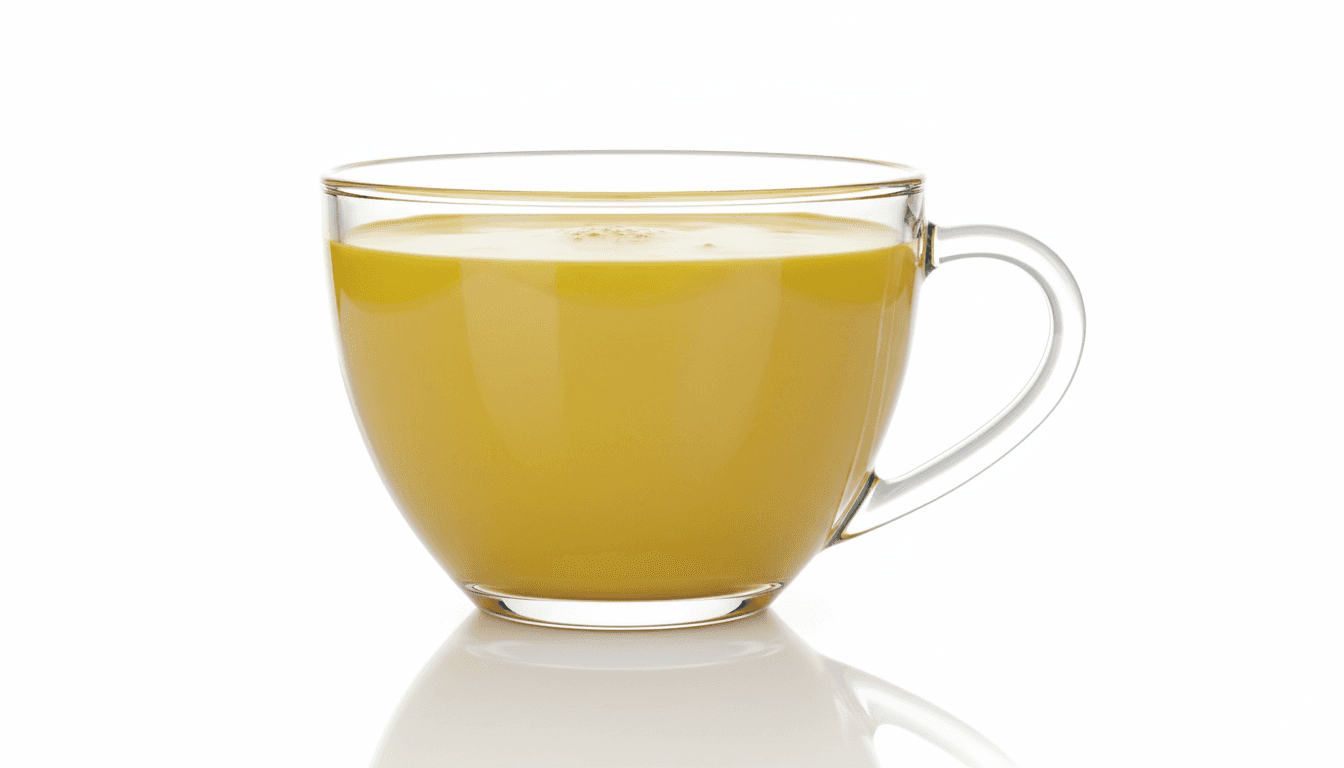
Golden Haldi Milk for Liver Health: Curcumin's Anti-Inflammatory Power Maximised
A wholesome Indian recipe crafted for health-conscious eating: nutritious, delicious, and easy to make at home.
Turmeric (haldi) has been used in Ayurvedic medicine for liver conditions for over 4,000 years, and modern hepatology is now providing the molecular explanations. Curcumin, turmeric's primary active compound, reduces liver inflammation by inhibiting multiple pro-inflammatory pathways (NF-kB, TNF-alpha, IL-6), directly reduces the fibrosis (scarring) that characterises progressive liver disease, and stimulates liver cell regeneration. Multiple clinical trials confirm curcumin reduces ALT and AST enzyme levels in NAFLD patients.
Curcumin has notoriously poor bioavailability when consumed alone, it's rapidly metabolised and poorly absorbed. Traditional Indian golden milk solves this cleverly: black pepper's piperine increases curcumin bioavailability by 2000 percent by inhibiting the liver enzyme that breaks curcumin down. Warm milk further improves absorption because the fat content helps curcumin cross the intestinal wall. This is a case where a traditional recipe is also a scientifically optimised delivery mechanism.
Ingredients
How to Make It
Add milk to a small saucepan. Heat on medium.
Before the milk boils, add turmeric, black pepper, cinnamon, ginger powder, and cardamom. Whisk while heating.
Bring to a gentle simmer, not a full boil. Simmer for 2 to 3 minutes, whisking occasionally.
Remove from heat. Add honey or jaggery. If using honey, wait until the milk has cooled slightly so you don't destroy its enzymes.
Strain through a fine sieve if you prefer a smoother texture.
Drink warm, not hot. The best time is 30 to 60 minutes before bed, the liver is most active in its regenerative functions during deep sleep.
Nutrition per serving
* Approximate values per serving
Health Benefits
Curcumin in this preparation (bioavailability enhanced 20 times by piperine) directly reduces NF-kB activation in liver cells, the master switch for liver inflammation. Clinical studies in NAFLD patients show curcumin supplementation equivalent to ¾ tsp turmeric with piperine reduces ALT by 18 IU/L and AST by 12 IU/L after 8 weeks. Curcumin also activates Nrf2, the master regulator of the antioxidant response, increasing production of glutathione, superoxide dismutase, and catalase in liver cells. These endogenous antioxidants are the liver's primary defence against oxidative damage from alcohol, drugs, and toxic metabolites. Ginger's shogaols independently reduce fibrosis signalling (TGF-beta pathway) that causes liver scarring.
Pro Tips
- →Black pepper is the single most important ingredient here after turmeric, piperine's 2000 percent bioavailability enhancement is a well-replicated scientific finding, not an exaggeration. Never make golden milk without it.
- →Use freshly bought turmeric powder if possible, pre-packaged turmeric loses potency over months. Buy small quantities and use within 2 to 3 months.
- →Full-fat milk provides better curcumin absorption than skim milk, the fat helps curcumin cross the intestinal barrier. A moderate amount of dietary fat alongside curcumin is actually beneficial for absorption.
- →Drink daily for at least 4 to 8 weeks before expecting measurable improvement in liver enzymes. Curcumin's liver benefits are cumulative.
Variations
- 1Coconut milk golden milk: Replace dairy milk with coconut milk for a vegan, higher-fat (better curcumin absorption) version with additional MCTs for liver health.
- 2Add ½ tsp ashwagandha powder for adaptogenic stress reduction: chronic stress elevates cortisol, which promotes liver fat accumulation.
- 3Cold golden milk latte: Blend all ingredients cold with ice and drink cold. The fat and piperine still work in cold preparations.
Frequently Asked Questions
You Might Also Like
Get a Personalised Diet Plan
4.9★ on Google • 7,000+ clients helped

