Liver Cleansing Green Tea Tulsi Blend: EGCG and Adaptogenic Herbs for Liver Health
A wholesome Indian recipe crafted for health-conscious eating: nutritious, delicious, and easy to make at home.
Green tea is one of the most extensively researched foods for liver health. Its primary active compound, EGCG (epigallocatechin gallate), directly reduces hepatic fat accumulation in non-alcoholic fatty liver disease (NAFLD), reduces liver inflammation, and improves liver enzyme levels (ALT, AST). A meta-analysis of 15 clinical trials confirmed that green tea consumption significantly reduces both ALT and AST in NAFLD patients. India has a high and rising prevalence of NAFLD, estimated at 25 to 35 percent of adults, making liver-protective nutrition increasingly relevant.
This blend pairs green tea with tulsi (holy basil), an adaptogenic herb with independent liver-protective properties. Tulsi contains ursolic acid and eugenol, which reduce hepatic oxidative stress and have hepatoprotective effects comparable to standard liver-protective drugs in some animal models. Ginger adds anti-inflammatory gingerols. Together, this tea is a daily liver-supportive ritual in a cup.
Ingredients
How to Make It
Bring water to about 80°C, not a full rolling boil. Green tea becomes bitter and its catechins degrade in boiling water. A few small bubbles forming at the bottom of the pan is the right stage.
Add tulsi leaves and ginger slices. Simmer gently for 3 minutes.
Remove from heat. Add green tea leaves or bags. Steep for exactly 2 to 3 minutes. Beyond 3 minutes, the bitterness increases significantly.
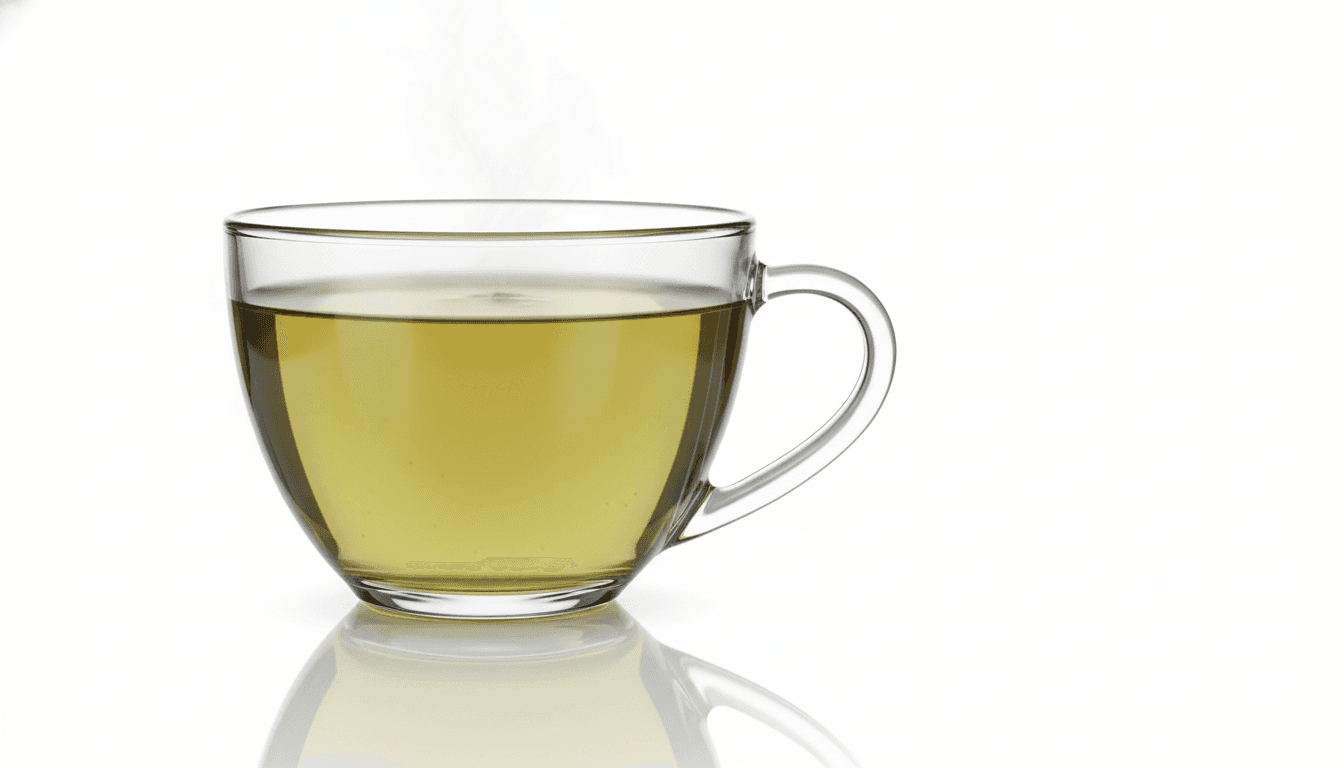
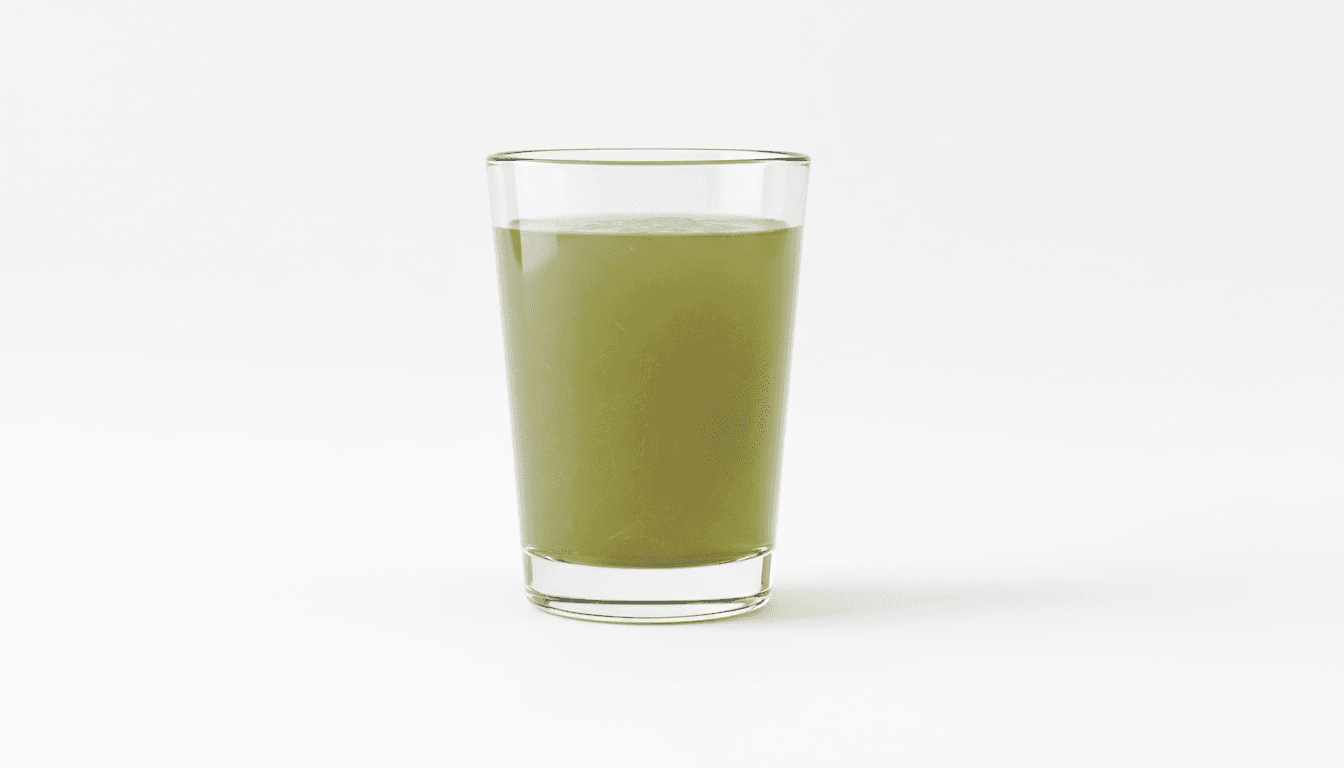
Strain into cups. The liquid should be a pale golden-green.
Add lemon juice after pouring, adding lemon while brewing reduces catechin extraction.
Add honey if you like. Drink warm.
Nutrition per serving
* Approximate values per serving
Health Benefits
EGCG in green tea works on multiple liver-protective pathways. It activates AMPK in liver cells, the same enzyme activated by metformin, which reduces de novo lipogenesis (fat production in the liver) and promotes fatty acid oxidation, directly addressing the fat accumulation in NAFLD. EGCG also reduces liver inflammation by inhibiting NF-kB and TNF-alpha signalling pathways. Tulsi's ursolic acid inhibits the cyclooxygenase enzymes that drive liver inflammation and has direct hepatoprotective effects against toxin-induced liver damage. Lemon juice provides Vitamin C that regenerates intracellular glutathione, the most important endogenous antioxidant in liver cells. The combination addresses fat accumulation, inflammation, and oxidative stress simultaneously.
Pro Tips
- →Water temperature is the most important variable, boiling water destroys EGCG and creates a harsh, astringent tea. Let boiling water cool for 2 to 3 minutes before adding the tea.
- →Steep green tea for exactly 2 to 3 minutes. Every additional minute pushes the bitterness noticeably higher.
- →Add lemon after brewing, not into the brewing water, lemon added during brewing reduces catechin extraction by 10 to 20 percent.
- →For best liver benefits, drink 2 to 3 cups daily (morning and afternoon). Two cups provides roughly 300mg EGCG, the dose associated with liver enzyme improvement in clinical trials.
Variations
- 1Add ½ tsp turmeric and a pinch of black pepper to the brew, curcumin independently reduces liver inflammation and improves NAFLD markers, and the combination is particularly effective.
- 2Dandelion-green tea blend: Add 1 tsp dried dandelion root: dandelion increases bile flow, improving fat digestion and reducing the workload on the liver.
- 3Moringa green tea: Add 5 moringa leaves to the brew, moringa has exceptional hepatoprotective polyphenols and is particularly effective for reversing early-stage NAFLD.
Frequently Asked Questions
You Might Also Like
Get a Personalised Diet Plan
4.9★ on Google • 7,000+ clients helped

