
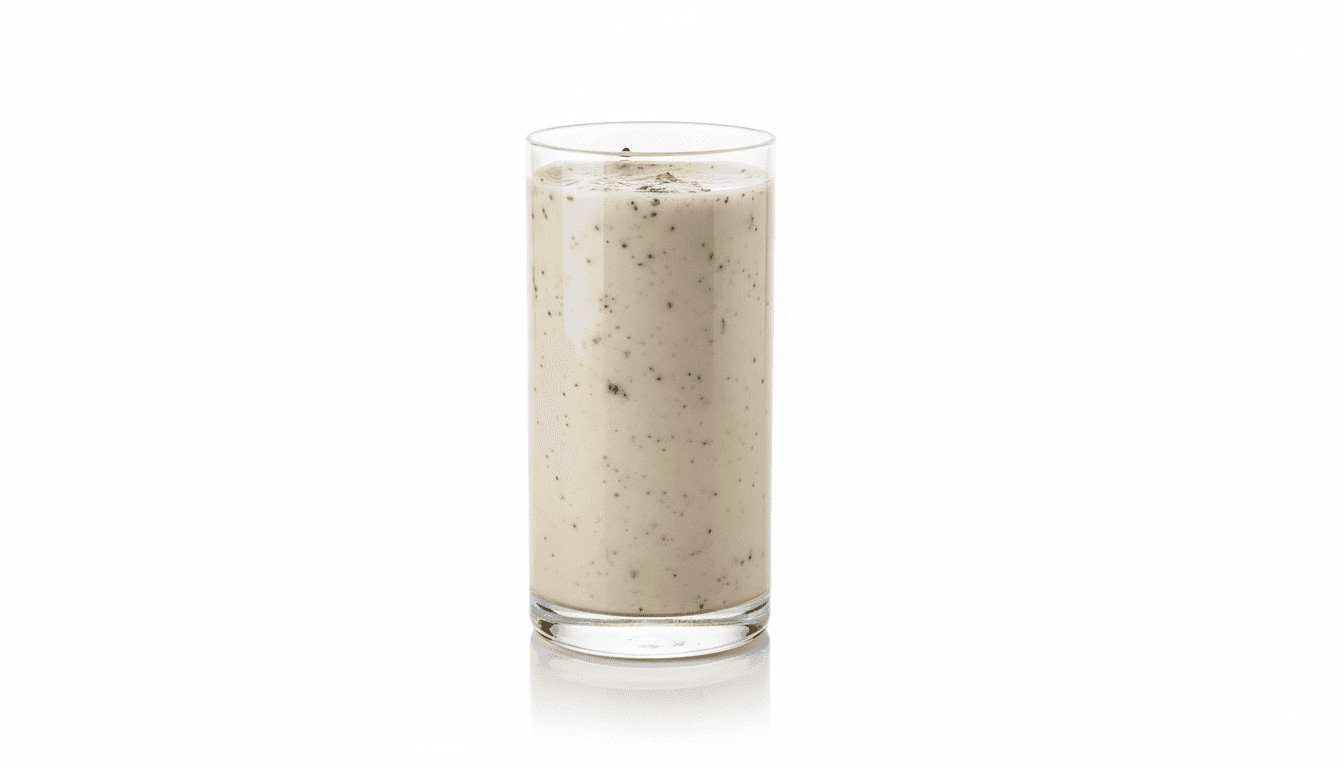
Masala Chaas for Everyday Gut Health: India's Daily Probiotic Drink
A wholesome Indian recipe crafted for health-conscious eating: nutritious, delicious, and easy to make at home.
Masala chaas (spiced buttermilk) is the everyday drink of Gujarat and Rajasthan, consumed after every lunch as a digestive. Unlike weight-loss chaas recipes, this version is designed as a daily gut health and hydration drink for the general population: suitable for all ages, all health conditions, and all seasons. The spice combination is calibrated for maximum digestive benefit: curry leaves (prebiotic), ginger (digestive tonic), green chilli (capsaicin stimulates gastric secretion), and hing (antigas).
Chaas has the same probiotic bacteria as curd but in a more diluted, refreshing, and hydrating form, easier to drink in larger quantities and far more appealing in hot weather. It's also significantly lower in calories than curd, making it practical for weight-conscious individuals. Drinking masala chaas after every lunch, a Gujarati tradition, consistently supports digestive health, hydration, and gut microbiome diversity over months and years.
Ingredients
How to Make It
In a large vessel or blender, combine curd and cold water.
Churn vigorously with a hand whisk or blend for 30 seconds until smooth and frothy. Traditional churning with a mathani creates a lighter, more aerated chaas, even 30 seconds of vigorous whisking makes a real difference.
Add ginger, green chilli, coriander, mint, black salt, and jeera powder. Stir well.
For the tadka: Heat ¼ tsp oil in a small pan. Add mustard seeds and cover, they'll pop. Add cumin seeds and hing. Add curry leaves immediately and cover as they splutter.
Pour the hot tadka over the chaas at once. That sizzle is the soul of this drink.
Stir once. Taste and adjust salt.
Serve at room temperature, not cold from the fridge, for maximum digestive benefit and probiotic activity.
Nutrition per serving
* Approximate values per serving
Health Benefits
Daily masala chaas provides consistent probiotic intake (Lactobacillus acidophilus, L. bulgaricus) that maintains gut microbiome diversity over time. Curry leaves in the tadka contain carbazole alkaloids that act as prebiotics, feeding beneficial gut bacteria, and have been shown in research to improve glucose tolerance, making this drink useful even for pre-diabetic individuals. Mustard seeds provide glucosinolates that gut bacteria ferment into isothiocyanates with anti-inflammatory and anticancer properties. Cumin stimulates digestive enzyme secretion. Hing directly breaks down the gas-producing oligosaccharides that cause bloating. Together, this drink addresses the microbial population (probiotics), the microbial food supply (prebiotics), and digestive enzyme activity, a genuinely comprehensive gut health package.
Pro Tips
- →The tadka is what distinguishes masala chaas from plain chaas: the hot oil blooms the mustard and cumin, releasing their volatile oils into the drink. Don't skip it.
- →Use fresh, recently-set curd, same day or 1-day old has the highest live bacteria count.
- →Churning matters: a properly churned chaas is airy and frothy; stirred chaas is flat and slightly thick. Thirty seconds of vigorous whisking is worth it.
- →Serve after lunch as a digestive, not before, chaas dilutes gastric acid if consumed before a meal.
Variations
- 1Raw mango chaas (perfect in summer): Add 2 tbsp raw mango pulp: intensely refreshing, high Vitamin C, and the sourness enhances the flavour dramatically.
- 2Cucumber chaas: Add ¼ cup finely grated cucumber for additional cooling and hydration, especially good in peak summer.
- 3Sattu chaas: Add 1 tbsp sattu for 5g extra protein per serving, transforms the drink into a substantial post-exercise recovery drink.
Frequently Asked Questions
You Might Also Like
Get a Personalised Diet Plan
4.9★ on Google • 7,000+ clients helped

