
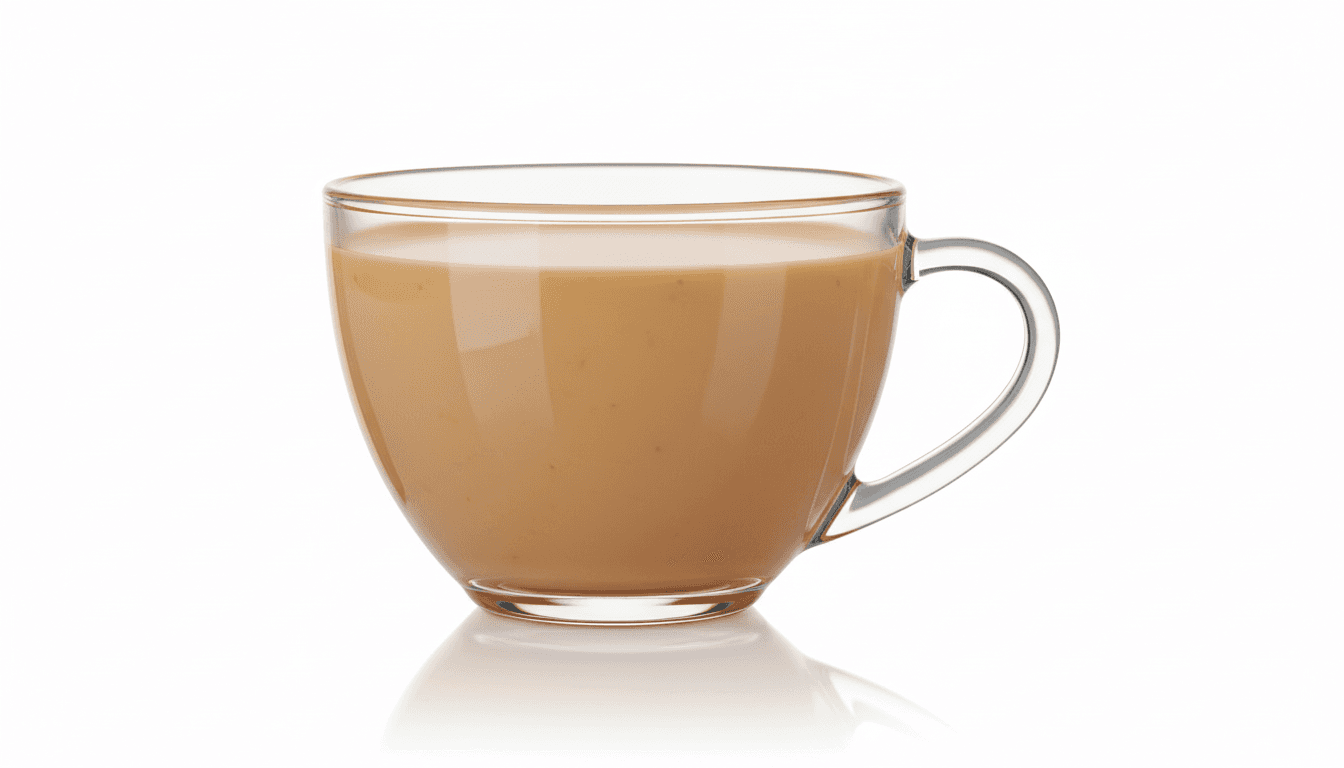
Cinnamon Ginger Tea for Blood Sugar: The Science-Backed Morning Ritual
A wholesome Indian recipe crafted for health-conscious eating: nutritious, delicious, and easy to make at home.
Cinnamon is one of the most researched spices for diabetes, and the evidence here is genuinely compelling. Multiple meta-analyses, including one covering 543 patients across 10 trials, confirm that cinnamon reduces fasting blood glucose by an average of 24 mg/dL and HbA1c by 0.27-0.83%. The mechanism: cinnamon's active compound, methylhydroxychalcone polymer (MHCP), activates insulin receptor tyrosine kinase and makes insulin more efficient at doing its job.
This tea pairs cinnamon with ginger (which improves insulin sensitivity through a different pathway, GLUT4 translocation) and a little cardamom (which reduces oxidative stress on pancreatic beta cells). Drink it first thing in the morning, 20-30 minutes before breakfast, to prime your insulin response for the day. Traditional Indian practice and modern research, for once, fully agree.
Ingredients
How to Make It
Add the cinnamon stick, ginger slices, and cardamom pods to a small saucepan. Pour in 2 cups of water.
Bring to a gentle simmer on medium heat. Keep it at a simmer, not a rolling boil, a gentle simmer extracts the compounds without driving off the more delicate ones.
Simmer for 4-5 minutes. The water will turn light golden-brown. If using tulsi leaves, add them in the last minute.
Remove from heat. Let steep for another 2 minutes.
Strain into cups. Add lemon juice if you like: add it after removing from the heat, not while it's still on the stove, or the Vitamin C breaks down.
Drink warm. No sugar, no honey, no milk. The tea should taste warm, slightly sweet from the cinnamon, and pleasantly spicy from the ginger.
For a stronger version, use 2 cinnamon sticks and reduce water to 1.5 cups, drink half a cup instead of a full cup.
Nutrition per serving
* Approximate values per serving
Health Benefits
Cinnamon's blood-sugar benefits work through three pathways: MHCP improves insulin receptor sensitivity; cinnamaldehyde inhibits alpha-glucosidase (slowing carbohydrate digestion, similar to the diabetes drug acarbose); and cinnamon polyphenols protect pancreatic beta cells from oxidative damage. Ginger's active compounds (gingerols and shogaols) stimulate GLUT4 translocation, moving glucose transporters to cell surfaces so glucose can enter cells with less insulin needed. Studies show ginger reduces fasting blood sugar by 10-12 mg/dL independently. Together, cinnamon and ginger create additive effects stronger than either one alone.
Pro Tips
- →Use Ceylon cinnamon (lighter colour, more delicate flavour) rather than Cassia. Cassia contains significant coumarin, which can stress the liver at high daily doses. Ceylon is safe for daily use.
- →Don't add milk: milk proteins bind to cinnamon polyphenols and significantly reduce how much your body absorbs. Drink this as a pure herbal tea.
- →One cup daily for 3 months beats 5 cups for one week. Consistency is what drives the blood sugar reduction in the clinical studies.
- →If you're on diabetes medication, watch your blood sugar readings more closely in the first two weeks, additive blood-sugar lowering is possible, and your doctor may need to adjust your dosage.
Variations
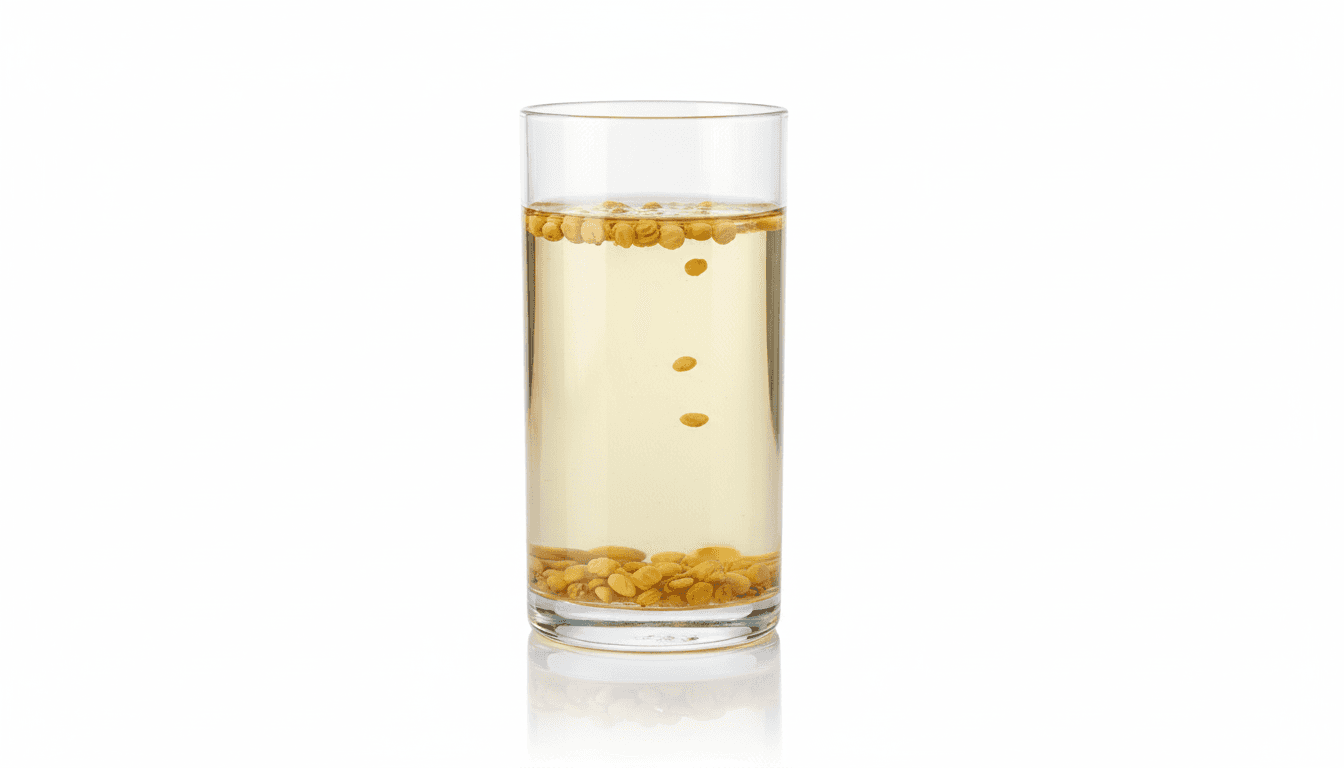
- 1Add 5 methi seeds to the water while simmering for a combined cinnamon-methi blood sugar blend, significantly more potent than cinnamon alone.
- 2Cold brew version for summer: Steep a cinnamon stick in 500ml cold water overnight. Add a ginger slice in the morning and drink it cold. Same benefits, more refreshing.
- 3Add ½ tsp turmeric for an anti-inflammatory upgrade: cinnamon, ginger, and turmeric together make a comprehensive metabolic health tea.
Frequently Asked Questions
You Might Also Like
Get a Personalised Diet Plan
4.9★ on Google • 7,000+ clients helped

