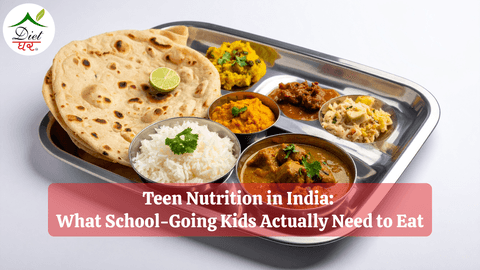
Teen Nutrition in India: What School-Going Kids Actually Need to Eat
India's Teenage Nutrition Crisis
Indian teenagers are caught in a nutritional paradox. They are eating more calories than previous generations, but those calories come increasingly from ultra-processed, nutritionally hollow sources: instant noodles, chips, biscuits, sugary drinks, fast food. Simultaneously, they are underconsuming the nutrients most critical for their extraordinary developmental phase: protein for muscle and brain development, calcium for bone formation, iron for cognitive function, and micronutrients for immune function and hormonal development.
India has one of the world's highest rates of adolescent anaemia, affecting 50–60% of teenage girls. Calcium intake in Indian teens is estimated to be less than half the recommended amount. And with India rapidly industrialising its food supply, the quality of what teenagers eat is declining even as overall calorie availability increases.
The teenage years are a critical developmental window. Bone density peaks between ages 16–25, what teenagers eat now directly determines their skeletal health for life. Brain development continues into the mid-20s, nutrition during adolescence affects cognitive capacity, mental health, and academic performance. Getting nutrition right during the teen years is not optional background work. It is foundational investment.
What Teenagers Actually Need: The Numbers
Calories
Adolescent calorie needs are significantly higher than adult needs due to rapid growth. Teenage boys (14–18 years) need approximately 2200–2800 kcal per day depending on activity level. Teenage girls (14–18 years) need approximately 1800–2200 kcal. Actively growing boys who are physically active need the most. This is not the time for caloric restriction unless there is a specific medical indication.
Protein
The ICMR recommends 1.0–1.2g protein per kg body weight for Indian adolescents. For a 50kg teenage girl, that is 50–60g of protein per day. For a 60kg teenage boy, 60–72g. Most Indian teenagers fall short of this, particularly girls. Protein is critical for muscle development, immune function, hormone production, and academic performance through its role in neurotransmitter synthesis.
Calcium
This is where most Indian teenagers fail spectacularly. The recommended intake is 1200–1300mg per day during the peak bone-building years (10–18). Studies show average Indian adolescent calcium intake is around 400–600mg, less than half. The consequences: suboptimal peak bone mass, setting up osteoporosis risk decades later.
Iron
Iron requirements increase dramatically at puberty, particularly for girls after menarche. Teenage girls need 27–32mg of iron per day (one of the highest requirements of any demographic). Teenage boys need 13–17mg. Iron deficiency causes fatigue, reduced attention span, impaired learning, and in girls, complications with menstrual health.
Zinc, Folate, and Vitamins A, B12, D
All are elevated during adolescence. B12 deficiency is particularly common in vegetarian Indian teens. Vitamin D deficiency affects the majority of urban Indian adolescents due to indoor lifestyles, sun avoidance, and pollution.
The School Tiffin Problem
The school tiffin is one of the most important nutritional interventions available to Indian parents, a meal prepared at home, eaten during a child's most active learning period. Yet the average Indian school tiffin is nutritionally underwhelming: plain paratha, white bread sandwich with jam, or leftover rice with minimal dal. Many children supplement these with canteen items: biscuits, chips, instant noodles, and cold drinks.
What a Good Tiffin Looks Like
A nutritious school tiffin should contain protein, complex carbohydrate, and a vegetable or fruit. Some practical examples:
- Egg paratha + small curd container + seasonal fruit, excellent protein, calcium, and carbohydrate
- Paneer sandwich on whole wheat bread + carrot sticks, protein, calcium, fibre
- Dal rice with ghee + mango or guava, complete protein combination, fruit for vitamins
- Moong dal chilla + curd, high protein, probiotic
- Rajma rice (cold, can be eaten at room temperature) + nimbu, complete protein and iron combination
What to Avoid Sending
- White bread with sugary spreads (jam, chocolate spread), nutritionally empty
- Chips, biscuits, or packaged snacks as the main tiffin
- Sweetened juices or soft drinks in the tiffin bag
- Deep-fried items as the primary food
The Junk Food Conversation
Telling a teenager to avoid junk food without understanding the social dimension is ineffective and creates conflict. Junk food in adolescence is partly nutritional and partly social, eating with friends, food at study sessions, celebrations, and independence. Treating it as a moral failing rather than a nutritional trade-off makes the conversation adversarial and counterproductive.
A more effective approach:
- Ensure nutrient needs are met through regular meals so that junk food is a supplement, not a substitute
- Make nutritious options as convenient and delicious as the junk food alternatives at home
- Educate (not lecture) about what food does for their specific goals, athletic performance, skin, energy for exams
- The 80/20 rule: 80% nutritious, 20% flexible, pizza with friends on Friday is fine if Tuesday through Thursday is solid
Nutrients for Teen Brain and Academic Performance
Parents focus heavily on marks and education. The connection between nutrition and academic performance is direct and underappreciated:
Iron and Cognitive Function
Even mild iron deficiency, in the absence of anaemia, measurably reduces attention span, memory, and processing speed. Multiple studies in Indian school children show that iron supplementation in iron-deficient children improves cognitive test scores. For girls especially, ensuring adequate iron is a direct investment in academic potential.
Omega-3 and Brain Development
DHA (an omega-3 fatty acid) is the primary structural fat in the brain. Adequate omega-3 intake is associated with improved working memory, attention, and reduced ADHD symptoms. Sources: fatty fish (sardines, mackerel, rohu), walnuts, flaxseeds, and chia seeds for vegetarians.
Breakfast and Morning Performance
Skipping breakfast, alarmingly common among Indian teens, particularly girls who have poor body image, directly impairs morning academic performance. Studies consistently show that breakfast-eating children have better attention, memory, and school performance than breakfast-skippers. A protein-containing breakfast (eggs, dal, paneer, or milk) is particularly effective for sustained morning concentration.
Special Considerations for Teenage Girls
Iron Supplementation
Given the extreme prevalence of iron deficiency anaemia in Indian teenage girls, routine supplementation is actually recommended in India's national health programme. A weekly iron and folic acid supplement (IFA) is part of the Rashtriya Kishor Swasthya Karyakram (RKSK) programme. Many girls do not receive or take this supplement consistently. Parents and schools can support adherence.
Eating Disorders and Body Image
The incidence of disordered eating among Indian teenage girls is rising with urban exposure to social media beauty standards. Extreme dietary restriction, meal skipping, and diet culture behaviours are increasingly common. Parents should be aware of warning signs: persistent avoidance of meals, social withdrawal around eating, excessive exercise, food rules, and dramatic weight changes. Early intervention dramatically improves outcomes.
PCOS and Nutrition
PCOS can begin in early adolescence and is increasingly common among Indian girls. Nutritional management focusing on stable blood sugar, adequate protein, and reduced refined carbohydrates is both therapeutic and preventive for girls at risk.
Get Your Personalized Diet Plan Today!
This article provides general information about nutrition and diet planning. Download the DietGhar app for a customized Indian diet plan tailored to your body type, health goals, and food preferences — with daily tracking and expert support.
About the Author
Written by the DietGhar expert team — certified dietitians with 10+ years of experience helping clients achieve their health goals through personalized Indian diet plans.
Find a Dietitian Near You
Get personalized nutrition plans from certified dietitians in your city. Online consultations available across India.

