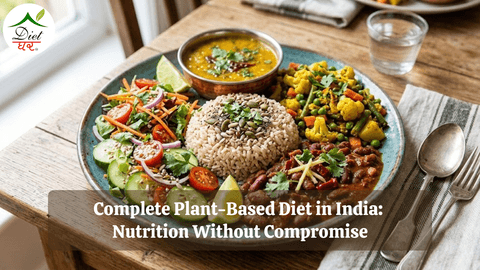
Complete Plant-Based Diet in India: Nutrition Without Compromise
India: The World's Best Country for a Plant-Based Diet
In some ways, India is the ideal country for plant-based eating. The cuisine is built on a foundation of vegetables, legumes, whole grains, and spices. The tradition of vegetarianism runs thousands of years deep, Jain, Buddhist, and many Hindu traditions have practised plant-based eating long before the word "vegan" existed. The variety of plant foods available in an average Indian market, dozens of dal varieties, hundreds of vegetables, every conceivable grain and millet, is extraordinary by global standards.
But a nutritionally complete plant-based diet, one that excludes all animal products including dairy and eggs, requires specific knowledge. A diet of dal-chawal and roti-sabzi, while healthful in many ways, will develop specific nutritional gaps over time if not intentionally designed. This guide identifies those gaps and fills them with specific Indian food solutions.
The Nutrients That Require Attention on a Plant-Based Indian Diet
Vitamin B12, The Non-Negotiable Supplement
Vitamin B12 is produced by bacteria and is found almost exclusively in animal products. It is the one nutrient that cannot be reliably obtained from a plant-based diet without supplementation. B12 deficiency, which develops slowly over years because the body stores reserves, causes irreversible neurological damage: peripheral neuropathy, cognitive decline, and spinal cord degeneration.
India has among the highest rates of B12 deficiency globally, particularly among vegetarians and vegans who do not supplement. The solution is simple: take a B12 supplement of at least 500–1000mcg cyanocobalamin or methylcobalamin daily, or 2000mcg twice weekly. This is the one supplement that every plant-based Indian must take, without exception.
Vitamin D
Vitamin D is primarily obtained through sun exposure, and it is also found in fatty fish and egg yolk, both of which are absent in a vegan diet. Despite India's sunny climate, vitamin D deficiency affects 70–90% of urban Indians due to indoor lifestyles, air pollution, and sun avoidance. Supplementing vitamin D3 (or vegan D3 from lichen, which is available) at 1000–2000 IU daily is sensible for most plant-based Indians in urban areas.
Omega-3 Fatty Acids (EPA and DHA)
The most important omega-3s for human health, EPA and DHA, are found primarily in fatty fish. Plant foods provide ALA (alpha-linolenic acid, found in flaxseeds, walnuts, chia seeds), which the body converts to EPA and DHA, but this conversion is inefficient (less than 10% in most people).
The solution for plant-based Indians: consume significant amounts of ALA-rich foods (ground flaxseed daily, walnuts, chia seeds) AND consider an algae-based omega-3 supplement. Algae is where fish get their omega-3 from, going directly to the source is both vegan and effective. Algal oil supplements providing 200–300mg DHA are available in India.
Iron
Iron from plant sources (non-haem iron) is absorbed at only 2–15% compared to 15–35% from animal sources (haem iron). India already has extraordinarily high rates of iron deficiency anaemia, and plant-based Indians are at heightened risk. The solution involves both increasing plant iron sources and maximising absorption:
- High plant iron foods: Rajma, chana, lentils, tofu, amaranth, drumstick leaves, sesame seeds, pumpkin seeds
- Vitamin C with every iron-rich meal: Amla, lemon juice, capsicum, guava, vitamin C dramatically increases non-haem iron absorption
- Avoid iron inhibitors with meals: Tea, coffee, and calcium supplements reduce iron absorption, have them separately from iron-rich meals
Calcium
Without dairy, calcium intake requires deliberate attention. Fortunately, Indian plant foods include excellent calcium sources: ragi (344mg/100g), sesame seeds (975mg/100g), moringa leaves (440mg/100g), amaranth, and calcium-set tofu. Building these foods into daily eating provides sufficient calcium without dairy. See our article on calcium without dairy for detailed guidance.
Zinc
Zinc from plant sources has lower bioavailability due to phytic acid in grains and legumes. Soaking and sprouting legumes improves zinc absorption. Food sources: pumpkin seeds, sesame seeds, hemp seeds, legumes, and fortified cereals. If dietary intake is consistently marginal, a zinc supplement of 8–11mg daily is appropriate.
Iodine
Without dairy and seafood (both significant iodine sources), plant-based Indians need to rely on iodised salt for iodine. Always use iodised salt in cooking. People who use mineral salts like Himalayan pink salt or sea salt exclusively should be aware these are not iodised and iodine deficiency is possible.
Building Complete Protein on an Indian Plant-Based Diet
One of the most common concerns about plant-based eating is protein completeness. The good news: Indian plant-based cuisine is naturally designed around protein combining. Dal + rice, dal + roti, rajma + rice, these combinations together provide all essential amino acids. The body's amino acid pool means you do not need to combine at every single meal, but eating a variety of protein sources daily is important.
Best Plant Protein Sources for Indians
- Soya: The only complete plant protein, contains all nine essential amino acids. Soya granules (textured soy protein), tofu, tempeh, and soy milk are all excellent. 100g dry soya granules provides 52g protein cooked. Soya is genuinely the plant-based equivalent of chicken breast for protein content.
- Dals and legumes: 15–18g protein per cup cooked. Moong, masoor, toor, urad, chana, eat at least one serving daily
- Rajma, chole, chickpeas: 15g protein per cup cooked, plus excellent fibre
- Quinoa: Complete protein, 8g per cup cooked
- Hemp seeds: Complete protein, 10g per 30g serving
- Peanuts and peanut butter: 7g per 28g serving, affordable and excellent
- Edamame: Young soybeans, complete protein, increasingly available frozen in Indian supermarkets
Daily protein target for plant-based Indians: 1.2–1.4 g/kg body weight (slightly higher than omnivores to account for lower plant protein digestibility).
A Day of Complete Plant-Based Indian Eating
Breakfast
Moong dal dosa or ragi dosa with coconut chutney. A glass of fortified plant milk (soy milk has the best protein content among plant milks). A small handful of walnuts and 1 tablespoon ground flaxseed added to the meal or smoothie.
Mid-Morning
Fresh guava (high vitamin C) or a seasonal fruit with 30g pumpkin seeds (zinc, iron, protein).
Lunch
Large bowl of rajma curry + 1 cup brown rice + green sabzi + nimbu pani (lemon water, vitamin C with the iron-rich rajma enhances iron absorption). This is a nutritionally excellent combination that needs no compromise.
Evening Snack
Roasted chana or soya chunks cooked in spices, both protein-dense and satisfying. A cup of plant milk (soy or fortified almond).
Dinner
Soya granule sabzi or tofu curry with 2 jowar rotis + drumstick leaf dal or palak sabzi. Finish with a small amla (vitamin C to enhance iron absorption from the evening legumes).
Daily Supplements
- Vitamin B12: 500–1000mcg (non-negotiable)
- Vitamin D3 (vegan): 1000–2000 IU (for most urban Indians)
- Algal omega-3: 200–300mg DHA (if not eating walnuts and flaxseeds consistently)
Social and Cultural Navigation
Being plant-based in India means navigating a culture where dairy is intertwined with hospitality, festivals, and religious practice. Ghee is prasad. Curd is offered at celebrations. Sweets are made with milk. This can be socially challenging without becoming socially isolating.
A few approaches that work:
- Communicate your choices clearly and warmly without making others feel judged for their eating
- Focus on abundance (what you CAN eat) rather than restrictions when describing your diet to others
- Many traditional Indian sweets have natural vegan versions, prepare or request these
- At family gatherings, offer to bring a dish or two that aligns with your needs
- In restaurants, South Indian cuisines (Tamil, Keralite, Karnataka) offer the most naturally vegan-friendly options
A plant-based diet in India, done right, is one of the most nutritionally rich, environmentally sustainable, and culturally connected ways of eating available anywhere in the world. The foundation is already there in Indian cuisine. The supplements and knowledge fill the small remaining gaps.
Get Your Personalized Diet Plan Today!
This article provides general information about nutrition and diet planning. Download the DietGhar app for a customized Indian diet plan tailored to your body type, health goals, and food preferences — with daily tracking and expert support.
About the Author
Written by the DietGhar expert team — certified dietitians with 10+ years of experience helping clients achieve their health goals through personalized Indian diet plans.
Find a Dietitian Near You
Get personalized nutrition plans from certified dietitians in your city. Online consultations available across India.

