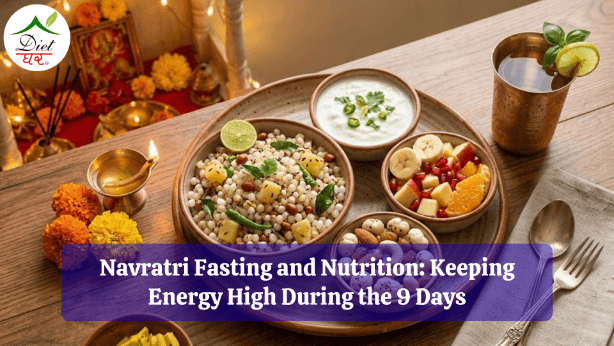
Navratri Fasting and Nutrition: Keeping Energy High During the 9 Days
The Nutrition Challenge Hidden in Devotion
Navratri is observed twice a year across India, and the nine-day fasting period is one of the most widely practised dietary restrictions in the country. For millions of Hindus, particularly women, the vrat involves avoiding grains (rice, wheat), legumes, meat, eggs, and certain vegetables like onion and garlic. What remains is a limited set of "sattvic" foods: fruits, dairy, sendha namak (rock salt), kuttu (buckwheat), singhara (water chestnut) atta, rajgira (amaranth), sama rice, and sabudana (sago).
In theory, this restricted diet is meant to be light and purifying. In practice, many people end the nine days feeling exhausted, experiencing headaches, and sometimes fainting. The common explanation is "weakness from fasting." The real explanation is usually a combination of inadequate protein, blood sugar fluctuations from starchy vrat foods without enough protein, dehydration, and insufficient calories.
You can fast devoutly and eat nutritiously at the same time. The two are not in conflict, but they require intentional choices.
The Nutritional Reality of Common Vrat Foods
Sabudana (Sago/Tapioca Pearls)
Sabudana khichdi and sabudana vada are the most iconic Navratri foods. They are also almost entirely simple starch with minimal protein or fibre. Sabudana is 80% carbohydrate, similar in glycaemic impact to white rice, and often worse because it is cooked with ghee and potatoes (also high-glycaemic). A large plate of sabudana khichdi can cause a significant blood sugar spike followed by a crash within 2 hours, leaving you hungry and fatigued.
This is not a reason to avoid sabudana. It is a reason to pair it correctly. Adding peanuts (groundnuts) to sabudana khichdi is traditional, and nutritionally crucial: peanuts provide protein and fat that slow glucose absorption and extend satiety. More on this below.
Kuttu (Buckwheat) Atta
Kuttu is genuinely nutritious for a vrat food. It contains 13% protein, more fibre than wheat flour, and a lower glycaemic index. Kuttu rotis and kuttu pakoras are better choices than sabudana or potato-heavy foods. The limitation is that kuttu is temperature-sensitive, eat it freshly prepared and pair it with curd or paneer for protein.
Singhara (Water Chestnut) Atta
Singhara atta is lower in protein than kuttu but has some fibre and a pleasant flavour. It is often used interchangeably with kuttu. Nutritionally, kuttu is superior, but singhara is a fine alternative.
Rajgira (Amaranth)
Rajgira is arguably the best grain available during Navratri from a nutritional perspective. It contains 14% protein, is rich in iron and calcium, and has a reasonable fibre content. Rajgira kheer, rajgira laddoo, and rajgira roti are all excellent choices. The protein content of rajgira makes it particularly valuable for maintaining energy and preventing muscle loss during the fast.
Sama Rice (Barnyard Millet)
Sama rice (also called samvat or jhangora) is a traditional fasting grain that is genuinely nutritious. It has more protein and fibre than white rice, a lower glycaemic index, and a pleasant texture. Sama rice pulao with vegetables and curd is one of the best balanced meals you can eat during Navratri.
Protein: The Navratri Deficiency
The most significant nutritional gap during Navratri is protein. Legumes are avoided, meat and eggs are out, and many people also reduce dairy consumption. The result, for most people, is a nine-day diet with barely 20–30 grams of protein per day, half or less of their baseline requirement.
Low protein during fasting causes:
- Rapid fatigue (muscle tissue is broken down for energy)
- Blood sugar instability (protein helps moderate glucose response)
- Hair fall (a common complaint after Navratri, often misattributed to "weakness")
- Difficulty concentrating
The Best Vrat Protein Sources
Paneer: Full-fat paneer is allowed during most vrat traditions and is the best protein source available, 18 grams per 100 grams. Have paneer tikka, paneer curry with sama rice, or paneer bhurji with kuttu roti. Eat paneer generously.
Curd and Dahi: Curd is protein-rich, probiotic, and versatile. Have it as raita with sama rice, as lassi, or plain with fruit. Aim for 2–3 cups per day.
Peanuts (Mungphali): Peanuts are allowed in most Navratri vrat traditions and are one of the highest-protein vrat foods available, 25 grams of protein per 100 grams. Roasted peanuts as a snack, peanuts in sabudana khichdi, and groundnut chutney are all excellent. Do not underestimate peanuts during these nine days.
Milk: A glass of full-fat milk provides 8 grams of protein and significant calcium. Warm haldi doodh at night is both nutritious and a useful Navratri tradition.
Makhana (Fox Nuts): Makhana are lower in protein than peanuts (about 9% protein) but are a useful snack and can be roasted with ghee and sendha namak for a satisfying option between meals.
A Sample Navratri Day (Balanced and Energising)
Morning
Start with water and a small glass of milk or warm haldi doodh. Breakfast: sama rice khichdi or rajgira porridge with milk and a small amount of honey. Include 2 tablespoons of roasted peanuts on the side. This combination provides slow-release carbohydrates, protein, and fat, everything needed for a stable energy start.
Mid-Morning
A cup of curd with sliced banana or makhana, a light snack that maintains energy without excess calories.
Lunch
Kuttu roti (2 small) with paneer sabzi (100–150g paneer) and cucumber raita. This is a high-protein, moderate-carbohydrate lunch that should sustain you for 4–5 hours. Use rock salt and vrat-appropriate spices (cumin, coriander, green chilli).
Afternoon
Fresh fruit (banana, apple, papaya), natural sugars for quick energy, fibre for sustained release.
Evening
Sabudana khichdi made with generous peanuts, or singhara atta chilla. The peanuts in sabudana are not optional from a nutritional perspective, they are what make this dish sustainable.
Night
A glass of warm milk with a pinch of turmeric. Optionally, a small amount of rajgira laddoo if hunger persists.
Hydration During Navratri
Many people drink significantly less water during Navratri, particularly those observing strict fasts where they avoid food and water for specific periods. For those who are drinking water throughout the day, the target remains 2–3 litres.
Coconut water is an excellent hydration option. It provides electrolytes (potassium, magnesium) and is generally allowed during Navratri. Fresh fruit juices without added sugar (fresh pomegranate juice, watermelon juice in season) are also nutritious hydration sources.
Avoid excessive chai and coffee during the fast, both are diuretics that increase fluid loss and can worsen headaches and fatigue when you are already eating restrictedly.
Foods to Be Cautious With
- Fried vrat snacks in excess: Sabudana vada, kuttu pakoras, and banana chips are common but high in calories and low in nutrition. As occasional items they are fine, but daily consumption as the primary food will leave you tired and can cause weight gain despite fasting.
- Pure potato meals: Aloo sabzi or fried aloo without any protein alongside will cause energy crashes. Always pair potatoes with curd, paneer, or peanuts.
- Fruit-only fasting: Some people eat only fruits during Navratri. This is low in protein, calories, and fat, unsustainable for nine days without fatigue. Include dairy and nuts at minimum.
Navratri fasting, approached with nutritional intelligence, can actually be a period of improved eating, lighter, less processed, focused on whole foods. The traditions were designed to be purifying, and they can be, if you fill them with the right foods.
Get Your Personalized Diet Plan Today!
This article provides general information about nutrition and diet planning. Download the DietGhar app for a customized Indian diet plan tailored to your body type, health goals, and food preferences — with daily tracking and expert support.
About the Author
Written by the DietGhar expert team — certified dietitians with 10+ years of experience helping clients achieve their health goals through personalized Indian diet plans.
Find a Dietitian Near You
Get personalized nutrition plans from certified dietitians in your city. Online consultations available across India.

