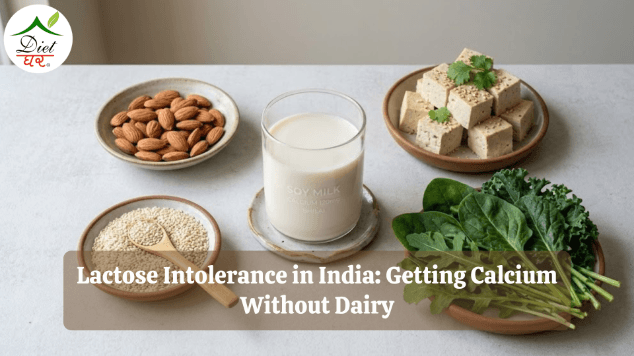
Lactose Intolerance in India: Getting Calcium Without Dairy
The Dairy Paradox in India
India is the world's largest producer and consumer of milk, and dairy is deeply woven into Indian culture, chai, curd, paneer, ghee, lassi, buttermilk. Milk is associated with nourishment, prosperity, and tradition. So it can feel almost sacrilegious to suggest that a significant portion of the Indian population cannot properly digest it.
But the numbers are striking. Studies estimate that 60–75% of Indians have lactose malabsorption. The reduced ability to digest lactose, the sugar in milk. This makes South Asia one of the highest-prevalence regions in the world for this condition, comparable to East Asia and significantly higher than Northern Europe.
Many people have lactose intolerance without knowing it, or knowing it but attributing their bloating, gas, and loose stools to "weak digestion," spicy food, or stress. If you regularly experience these symptoms after consuming milk or milk-heavy dishes, lactose intolerance is worth considering.
What Is Lactose Intolerance?
Lactase is an enzyme in the small intestine that breaks down lactose (milk sugar) into glucose and galactose, which can then be absorbed. Most mammals, including humans, produce high levels of lactase during infancy when milk is the primary food. In most of the world's population, lactase production declines after childhood, this is called lactase non-persistence.
When undigested lactose reaches the colon, gut bacteria ferment it, producing gas (hydrogen, methane) and short-chain fatty acids. This fermentation causes the characteristic symptoms:
- Bloating and abdominal distension
- Excessive gas and flatulence
- Cramping and abdominal pain
- Loose stools or diarrhoea, typically within 30 minutes to 2 hours of consuming dairy
- Nausea in severe cases
Symptom severity depends on the amount of lactose consumed, how much lactase a person still produces, and individual gut microbiome composition. Some people can eat curd or a small amount of milk without symptoms but react to large glasses of milk or kheer.
The Calcium Problem
Dairy is India's primary dietary source of calcium for most people. Adults require 1000–1200mg of calcium per day (the ICMR recommendation). When dairy is eliminated or reduced, this gap needs to be filled, or bone health, muscle function, nerve transmission, and blood clotting (all calcium-dependent processes) are compromised.
India already has high rates of osteoporosis and bone fractures, particularly among older women. Calcium deficiency contributes to this. So for people with lactose intolerance, finding non-dairy calcium sources is not optional. It is a genuine health priority.
High-Calcium Indian Foods Without Dairy
Ragi (Finger Millet), 344mg calcium per 100g
Ragi is extraordinary for calcium. It contains more calcium than milk per gram. 100 grams of ragi flour has 344mg of calcium, compared to 125mg in 100ml of milk. This makes ragi the single most important non-dairy calcium source in the Indian diet. Ragi mudde, ragi dosa, ragi porridge, and ragi laddoo are all traditional preparations. In Karnataka, Andhra Pradesh, and Tamil Nadu, ragi has been a dietary staple for centuries, communities with high ragi consumption historically have better bone density.
Sesame Seeds (Til), 975mg calcium per 100g
Sesame seeds are one of the most calcium-dense foods in existence, 975mg per 100 grams. Two tablespoons of sesame seeds contain about 175mg of calcium. They are widely used in Indian cooking: in til laddoo, in chutneys, as garnishes on dishes, and in the sesame-based tahini. Chikki made with jaggery and til is both a traditional sweet and a calcium powerhouse. White sesame has more calcium than black sesame by weight.
Amaranth (Rajgira), 215mg calcium per 100g
Amaranth seeds and leaves are excellent calcium sources. Amaranth leaves (chaulai saag) are commonly used in Indian cooking in many regions and have 215mg calcium per 100g. Rajgira laddoo and rajgira chikki are traditional preparations that contribute meaningfully to calcium intake.
Drumstick Leaves (Moringa/Sahjan Leaves), 440mg calcium per 100g
Moringa leaves are one of the most nutritionally dense foods available in India, they contain 440mg of calcium per 100g, which is approximately 3.5 times that of milk by weight. Drumstick leaf dal, sambhar with drumstick, and moringa chutneys are traditional preparations. The leaves are also extraordinarily rich in iron, vitamin C, and protein. Moringa is widely cultivated in South India and is underused in other regions.
Chia Seeds, 631mg calcium per 100g
Chia seeds are not traditionally Indian, but they have become widely available in Indian cities and towns over the last few years. A tablespoon of chia seeds added to water, curd, or smoothies provides about 90mg of calcium along with omega-3 fatty acids and fibre.
Almonds (Badam), 264mg calcium per 100g
Almonds are a traditional Indian food, badam doodh (warm almond milk) is a beloved preparation. 10 almonds provide about 26mg of calcium, which is modest but cumulative. Almond milk (homemade from soaked almonds blended with water) can partially substitute for dairy milk.
Colocasia Leaves (Arbi/Taro Leaves), 220mg calcium per 100g
Taro leaves (patra/alu vadi) are very high in calcium and are a traditional food in Maharashtra, Gujarat, and other states. Patra. The Gujarati preparation of colocasia leaves rolled with a spiced besan paste and steamed, is a delicious and nutritious preparation.
Soybeans and Tofu, 277mg calcium per 100g (tofu)
Calcium-set tofu (tofu made using calcium sulphate) is particularly rich in calcium, up to 300mg per 100g. Regular soybean is also a reasonable source. Tofu can be used in sabzi, stir-fry, or as a paneer substitute in many preparations.
What About Fermented Dairy?
Many people with lactose intolerance can tolerate certain dairy products better than others:
- Curd (dahi): The fermentation process converts much of the lactose into lactic acid. Many lactose-intolerant individuals can eat curd without symptoms. This is highly individual, test it yourself.
- Buttermilk (chaas): Diluted curd with lower lactose concentration, often tolerated better than milk.
- Ghee: Pure fat with virtually no lactose. Usually well-tolerated.
- Hard cheeses: Aged cheeses lose most of their lactose during the ageing process. While not traditional Indian dairy, they are widely consumed.
- Whole milk vs. skimmed milk: The fat in whole milk slows digestion and may reduce symptom severity compared to skimmed milk.
Lactase Enzyme Supplements
Lactase enzyme supplements (available in India under brand names or as drops) allow lactose-intolerant individuals to digest dairy by providing the missing enzyme. Taken immediately before consuming dairy, they can prevent symptoms in most people. This is a practical option for social situations or when non-dairy alternatives are not available.
Building a Calcium-Rich Day Without Dairy
- Breakfast: Ragi dosa or ragi porridge, approximately 200mg calcium
- Lunch: Drumstick leaf dal with rice, approximately 150mg calcium
- Snack: Til laddoo or 2 tablespoons sesame seeds in a preparation, approximately 175mg calcium
- Dinner: Tofu sabzi or patra with roti, approximately 200mg calcium
- Throughout day: 10–15 almonds, approximately 40mg calcium
- Total: approximately 765mg calcium, achievable with consistent effort
For those who need higher calcium intake (post-menopausal women, those with osteoporosis risk), a calcium citrate supplement of 500mg daily fills the gap safely. Calcium citrate is preferred over carbonate because it does not require stomach acid for absorption, particularly relevant for older adults or those taking antacids.
Get Your Personalized Diet Plan Today!
This article provides general information about nutrition and diet planning. Download the DietGhar app for a customized Indian diet plan tailored to your body type, health goals, and food preferences — with daily tracking and expert support.
About the Author
Written by the DietGhar expert team — certified dietitians with 10+ years of experience helping clients achieve their health goals through personalized Indian diet plans.
Find a Dietitian Near You
Get personalized nutrition plans from certified dietitians in your city. Online consultations available across India.

