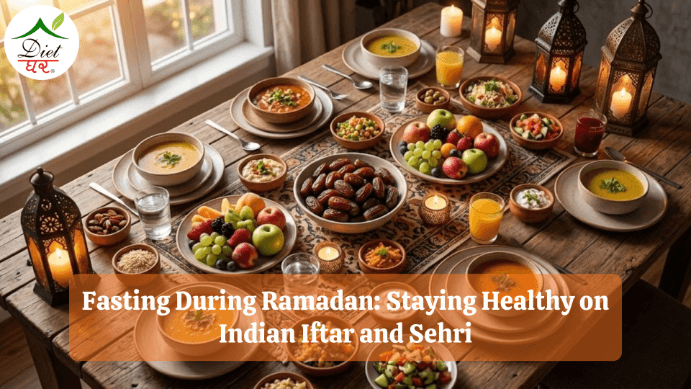
Fasting During Ramadan: Staying Healthy on Indian Iftar and Sehri
Ramadan Fasting: A Spiritual Practice with Real Nutritional Stakes
Ramadan is observed by approximately 200 million Muslims in India, one of the world's largest Muslim populations. The month-long fast from dawn (sehri/suhoor) to sunset (iftar) is a profound spiritual practice, but it also places genuine physiological demands on the body that, managed well, can actually support health, and managed poorly, can cause real harm.
The challenges are specific and underappreciated: a roughly 14–16 hour daily fast in India's climate, the cultural traditions around iftar that often involve large quantities of fried, sugary foods, the pressure of family and community eating patterns, and the particular concerns for people managing conditions like diabetes, blood pressure, kidney disease, or pregnancy.
This guide is written with deep respect for the practice and a practical focus on making it as healthy as possible, not to change the tradition, but to optimise nutrition within it.
What Happens to Your Body During Ramadan Fasting
After 8–12 hours of fasting, the body exhausts its glycogen (stored glucose) reserves and begins to shift to fat burning as a primary fuel source. This metabolic shift is actually beneficial. It is the same principle behind intermittent fasting and is associated with improved insulin sensitivity, reduced inflammation, and cellular repair processes (autophagy).
The physiological challenges arise when:
- Iftar meals are very high in sugar and refined carbohydrates, causing an extreme blood sugar spike after a long fast
- Fluid intake is inadequate, particularly in India's heat
- Sehri is skipped entirely or is nutritionally poor
- Total calorie intake is either dramatically insufficient or paradoxically excessive (heavy nightly feasting)
Research shows that Ramadan fasting, when managed well, can improve multiple metabolic parameters: reduced LDL cholesterol, improved blood sugar control, reduced blood pressure, and weight loss. When managed poorly, it can worsen these same parameters.
Sehri (Pre-Dawn Meal): The Most Important Meal
Many people either skip sehri or eat something minimal, a biscuit, a glass of water, or leftovers from the night before. This is a significant mistake. Sehri is your body's fuel supply for the entire day, and what you eat here determines your energy levels, concentration, and hunger management until iftar.
The Sehri Formula
An ideal sehri has three components: slow-digesting carbohydrates, adequate protein, and hydration.
Slow-digesting carbohydrates release energy gradually over many hours rather than causing a rapid spike followed by a crash. Options for Indian sehri:
- Oats daliya (broken wheat oats porridge), excellent slow-release carbohydrate
- Brown rice or multigrain roti rather than white bread or maida
- Bajra or jowar roti, lower glycaemic index than wheat roti
- Rajma or chana as a side. The fibre slows digestion significantly
Protein at sehri dramatically improves satiety and reduces hunger through the day. Eggs are particularly practical, 2 boiled eggs add 12 grams of protein and take seconds to prepare in the early hours. Curd, dahi, or paneer are good vegetarian options. A cup of dahi rice with some dal is an excellent sehri combination.
Hydration: Drink 500–750ml of water at sehri. Include a cup of milk or curd for additional fluid. Avoid caffeinated drinks (tea, coffee) immediately before fasting begins, caffeine is a diuretic and will increase fluid loss during the day.
Foods to Avoid at Sehri
- White bread, processed cereals, or sugary foods, these cause rapid energy crash within 2–3 hours
- Very salty foods, increase thirst during the fast
- Very spicy foods, can cause acidity, which is more uncomfortable when the stomach is empty for hours
- Caffeinated beverages, diuretic effect increases dehydration risk
Iftar: Breaking the Fast Well
The tradition of breaking the fast with dates (khajoor) and water is nutritionally intelligent. Dates provide quickly absorbed natural sugars to restore blood glucose after a long fast, along with potassium (electrolyte replacement), fibre, and B vitamins. Two to three dates are the traditional amount, this is also the right amount nutritionally.
After Dates: The Iftar Trap
The challenge begins when the full iftar spread arrives. Traditional Indian iftar includes samosas, pakoras, chaats, haleem, fruit chaat, sheer khurma, and biryani. These are delicious foods with deep cultural significance. But eating large quantities of fried and sweet foods immediately after a long fast, when blood sugar is low and appetite is high, creates an extreme metabolic response.
A practical approach:
- Break with 2–3 dates and water
- Pray Maghrib
- Have a light starter: fruit chaat, a small bowl of harira soup, or vegetable shorba
- Eat the main meal more slowly. The gap between breaking the fast and the main meal allows appetite hormones to normalise
- Fried items in small portions as side, not as the main
Nutritional Priorities at Iftar
Rehydration first: Drink water consistently from iftar through to sehri. Aim for 8–10 glasses across the evening. Coconut water, nimbu pani without excessive sugar, and lassi (without salt) are excellent rehydration options.
Protein-centred main meal: Haleem (made with meat and lentils) is actually one of the most nutritionally balanced traditional iftar foods. It is high in protein from both meat and lentils, contains fibre, and has a moderate glycaemic response. Chicken or mutton biryani with raita and salad is also reasonably balanced. Seek protein at the centre of the plate.
Vegetables and fibre: In the excitement of traditional iftar foods, vegetables are often the casualty. Including a fresh vegetable salad, cooked sabzi, or vegetable soup ensures fibre intake and moderates the glycaemic response of the overall meal.
Managing Specific Health Conditions During Ramadan
Diabetes
Fasting with diabetes carries real risks: hypoglycaemia (low blood sugar) during the fast and hyperglycaemia (high blood sugar) after heavy iftar meals. People with well-controlled type 2 diabetes can often fast safely with appropriate medication adjustments, but this requires consultation with a doctor before Ramadan begins. Medication timings and doses are typically adjusted. Self-monitoring of blood glucose is essential. Break the fast immediately if blood glucose drops below 70 mg/dL.
Hypertension
The main concern with blood pressure medications and Ramadan is timing. Antihypertensive medications are typically rescheduled to iftar and sehri times. Reducing salt in iftar foods is important, many traditional Indian iftar foods (fried snacks, chaats) are very salty. Adequate hydration also supports blood pressure management.
Pregnancy
Pregnant women are exempt from fasting under Islamic law. The decision to fast during pregnancy should be made after consulting both a religious scholar and an obstetrician/gynaecologist. The nutritional demands of pregnancy are significant, and extended fasting carries risks for fetal development, particularly in the first trimester.
Kidney Disease
People with kidney disease need particular care with fluid intake and protein consumption during Ramadan. Fasting reduces total fluid intake in a condition where hydration is often critical. Those on dialysis should consult their nephrologist before fasting.
Practical Tips for Staying Energetic Through Ramadan
- Never skip sehri, even a small balanced meal is far better than nothing
- Sleep in two stages if possible: a few hours before sehri, then again after fajr prayer until the workday begins
- Reduce physical activity intensity during fasting hours, exercise if at all possible in the 1–2 hours before iftar or after tarawih when energy is higher
- Use the non-fasting hours (from iftar to sehri) to consume adequate protein, fluids, and nutrients
- Avoid caffeinated drinks at sehri, they increase dehydration and worsen afternoon energy crashes
- If you have any chronic health conditions, consult your doctor before Ramadan begins to discuss medication adjustments
Ramadan is a month of profound spiritual significance. With thoughtful nutrition choices at sehri and iftar, it can also be a month that leaves you feeling better physically, more disciplined, lighter, and with improved metabolic health. May your fast be accepted and your health protected.
Sources
- Dietary Guidelines for Indians 2024, ICMR National Institute of Nutrition (NIN), Hyderabad
- Indian Food Composition Tables (IFCT) 2017, ICMR National Institute of Nutrition (NIN), Hyderabad
- Healthy diet (fact sheet), World Health Organization
Get Your Personalized Diet Plan Today!
This article provides general information about nutrition and diet planning. Download the DietGhar app for a customized Indian diet plan tailored to your body type, health goals, and food preferences: with daily tracking and expert support.
About the Author
Written by The DietGhar Team nutritionists, helping clients since 2016 with personalised Indian diet plans. How our nutritionists work
Popular guides
Diet plans
Articles
- PCOD diet chart, 7-day Indian meal plan
- Insulin resistance diet for Indians
- PCOS acne and skin: diet changes
- Indian keto diet for beginners
- Stress eating and cortisol
- Gluten-free Indian food for celiac disease
- Nutrition for Indians over 60
- South Indian diet for weight loss
- North Indian diet makeover
- Breastfeeding diet chart
- Winter diet and immunity foods
- Best Indian foods for hair growth
- Why crash diets fail
Find a Dietitian Near You
Get personalized nutrition plans from qualified nutritionists in your city. Online consultations available across India.

