Sattu Protein Drink for PCOS: The Ancient Indian Protein Shake
A wholesome Indian recipe crafted for health-conscious eating: nutritious, delicious, and easy to make at home.
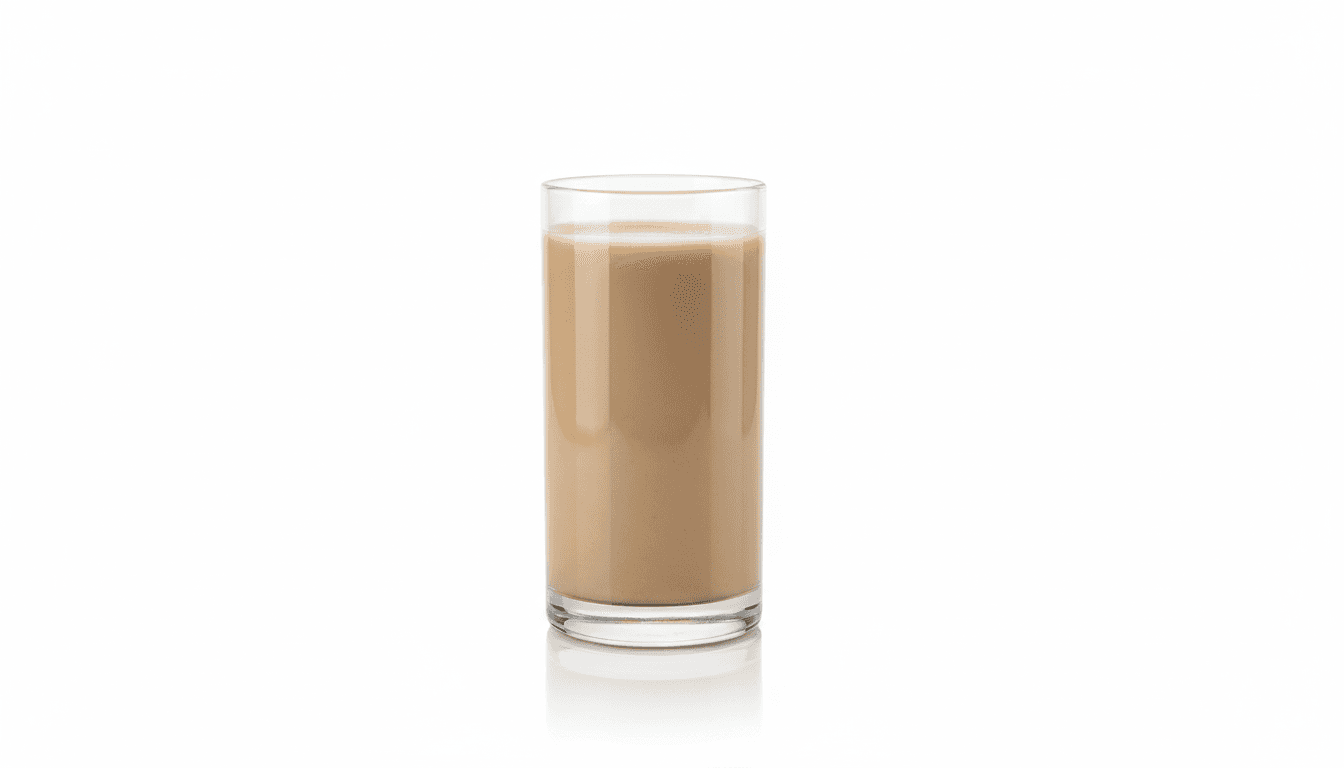
Sattu (the flour of roasted Bengal gram (chana)) is Bihar and UP's answer to the protein shake, and it turns out to be a near-perfect food for women with PCOS. A single glass of sattu sharbat provides 10-12g of plant protein with a low glycaemic load, making it an ideal between-meal drink or pre-workout boost. Unlike commercial protein powders, sattu also delivers 5g of fibre per glass, which directly helps manage the insulin resistance driving PCOS.
The savoury version (with jeera, black salt, and lemon) is the one to focus on for PCOS. Jeera adds metabolism-boosting compounds, and black salt provides minerals without raising blood pressure the way regular salt does. This drink is intensely cooling and is traditionally consumed during Bihar's summers, but the hormonal benefits make it worth having year-round. Think of it as the Indian protein shake that your grandmother would approve of.
Ingredients
How to Make It
Add 3 tbsp sattu to a tall glass or a jar with a lid.
Add 2-3 tbsp of water to the sattu first and mix into a smooth paste, this one step prevents lumps when you add the rest of the water.
Add the remaining cold water to the paste. Stir vigorously, or close the jar and shake it.
Add lemon juice, black salt, and roasted jeera powder. Stir well.
Taste and adjust: more salt for depth, more lemon for tang. The drink should be savoury, slightly earthy from the sattu, and pleasantly tangy.
Add grated ginger juice and mint if using.
Drink straight away. Sattu settles quickly: give it a stir before the last few sips.
Nutrition per serving
* Approximate values per serving
Health Benefits
Sattu is an exceptionally low-GI protein source, roasted chana has a GI of around 28-32. The combination of high protein and high fibre in a single drink addresses PCOS at two critical points: protein reduces hunger hormones and stabilises blood sugar; fibre improves insulin sensitivity. Sattu is also rich in zinc (2.8mg per 30g serving), which supports testosterone metabolism in the ovaries. The iron content (2.7mg) matters for PCOS women who often have heavy periods and are at risk of iron deficiency. Regular sattu consumption has a long track record in traditional medicine for improving metabolic parameters, and the biochemistry now backs that up.
Pro Tips
- →Always make a paste with a small amount of water first, this is the single technique tip that separates a lumpy, chalky sattu drink from a smooth one.
- →Sattu quality varies by brand. Good sattu has a deep, nutty, roasted aroma, not a raw beany smell. If it smells raw, it probably is raw chickpea flour, which shouldn't be consumed uncooked.
- →Stick to the savoury version, skip jaggery or sugar in your sattu drink for PCOS. The sweet version spikes insulin.
- →Drink sattu as a morning pre-breakfast drink or between meals (around 10am or 4pm) to prevent the blood sugar crashes that trigger carbohydrate cravings in PCOS.
Variations
- 1Sattu Lassi: Mix sattu with curd (2 tbsp curd + 2 tbsp sattu + water) for a probiotic-rich, extra-protein version.
- 2Use coconut water instead of plain water for a more refreshing, electrolyte-rich drink, especially good in summer.
- 3Add 1 tsp amla powder for additional Vitamin C and to improve iron absorption from the sattu.
Frequently Asked Questions
You Might Also Like
Get a Personalised Diet Plan
4.9★ on Google • 7,000+ clients helped

