Ragi Dosa for PCOS: A Calcium-Rich, Low-GI Breakfast for Hormone Balance
A wholesome Indian recipe crafted for health-conscious eating: nutritious, delicious, and easy to make at home.
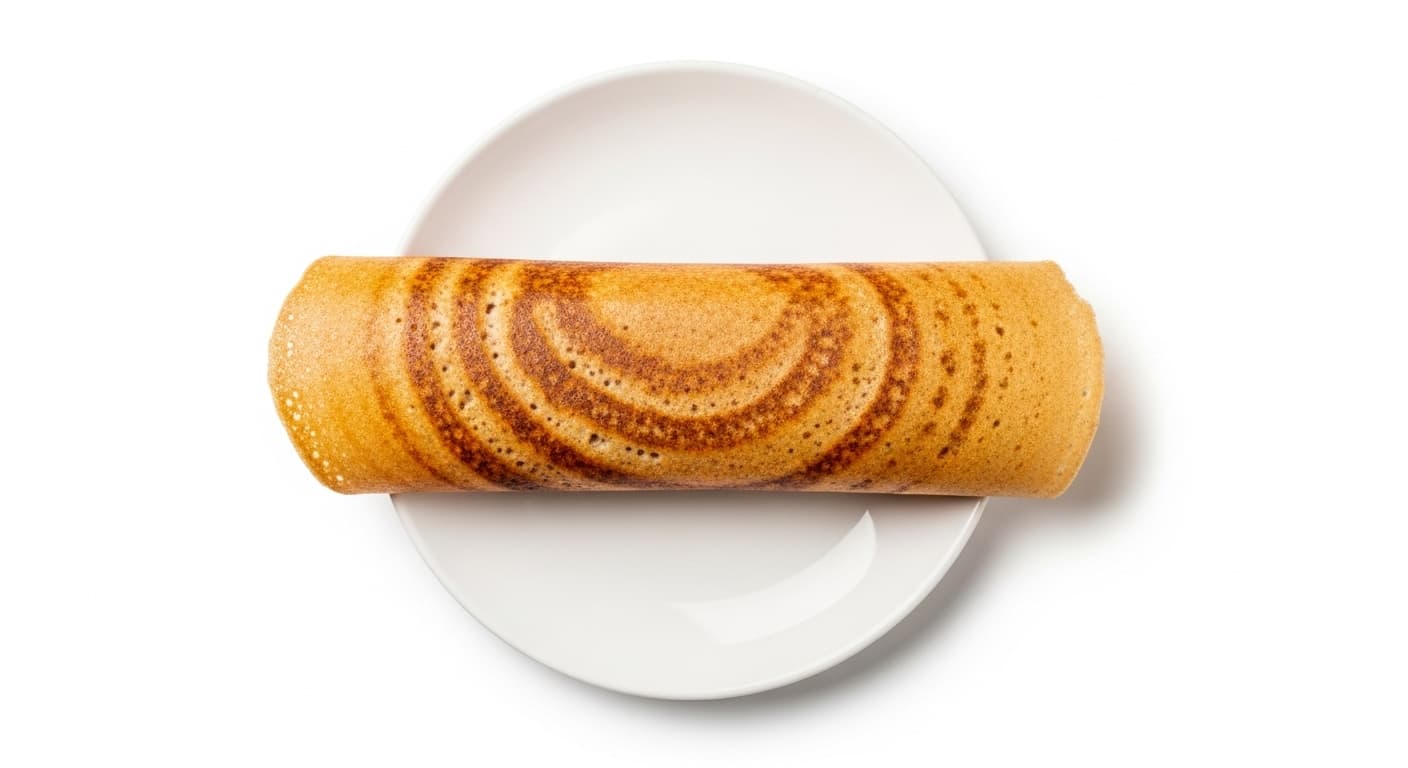
Ragi (finger millet) is one of the most underused grains in the modern Indian kitchen, and for women with PCOS, it deserves a serious comeback. Ragi has the highest calcium content of any cereal grain — 344mg per 100g, higher than milk — and calcium plays a direct role in ovarian hormone signalling. Studies show women with PCOS have lower calcium and Vitamin D levels, and supplementing both improves insulin resistance and menstrual regularity. Ragi also has a low GI (52-54), is rich in polyphenols that reduce inflammation, and brings meaningful iron and fibre to every meal.
This dosa needs no fermentation and is ready in 25 minutes with simple pantry ingredients. A small amount of rice flour and curd helps with binding and crispness. This is one recipe where traditional South Indian medicine and modern nutritional science are in complete agreement.
Ingredients
How to Make It
In a mixing bowl, combine ragi flour, rice flour, and curd. Mix well. The curd adds a slight tang and helps the dosa crisp up nicely.
Add the chopped green chili, grated ginger, cumin seeds, and curry leaves. Season with salt.
Whisk as you gradually add water until the batter is smooth and pourable. It should be just enough thinner to spread more easily than ordinary dosa batter. If it's too thick, it becomes chewy rather than crispy.
Let the batter rest for 10 minutes while you heat the tawa. This resting time lets the ragi flour hydrate fully and makes spreading easier.
Heat a tawa or non-stick pan on high for 2 minutes, then reduce to medium. Sprinkle a few drops of water—they should sizzle and vanish immediately. That's your green light.
Pour a ladle of batter into the center of the tawa. Working quickly, spread it outward in a spiral motion—ragi batter spreads more easily than rice or rava batter. Get it as thin as you can without making holes.
Drizzle oil around the edges. Cook for 2-3 minutes until the edges lift naturally from the tawa and the top looks dry and set.
Flip carefully. Cook for 1 minute on the other side. Ragi dosa should be a deep reddish-brown, not black. Serve with coconut chutney and sambar.
Nutrition per serving
* Approximate values per serving
Health Benefits
Each serving of this ragi dosa provides about 100mg calcium — around 10% of the daily requirement from a single meal. Clinical trials show calcium supplementation reduces testosterone and improves ovulation in women with PCOS. The polyphenols in ragi (tannins and flavonoids) have strong anti-inflammatory effects that address the chronic low-grade inflammation underlying PCOS. Ragi's low GI means minimal insulin spikes, which is critical because excess insulin drives the ovaries to overproduce androgens. The fibre also feeds beneficial gut bacteria, and emerging research increasingly links gut health directly to oestrogen metabolism and PCOS severity.
Pro Tips
- →The batter should be thinner than regular dosa batter — this is how you get crispy ragi dosas. Thick batter makes soft, slightly gummy results that aren't nearly as enjoyable.
- →No soaking or fermentation needed — this is a huge advantage over regular rice dosa. The whole thing takes under 30 minutes from start to plate.
- →Don't go heavy on the rice flour — the small amount in this recipe is just for crispness. Too much rice flour dilutes the ragi's nutritional benefits.
- →Coconut chutney (for healthy fat) plus sambar (for protein from dal) makes this a properly balanced, complete meal.
Variations
- 1Add finely chopped onions and methi leaves to the batter for a ragi methi dosa — you essentially double the hormonal benefits in one breakfast.
- 2Egg ragi dosa: Break 1 egg onto the dosa while the top is still wet and spread gently. Cook until set. A solid protein boost for PCOS.
- 3For PCOS with hypothyroidism: Use iodised salt in the batter and go easy on raw cruciferous vegetables in the accompaniments.
Frequently Asked Questions
You Might Also Like
Get a Personalised Diet Plan
4.9★ on Google • 7,000+ clients helped

