Ragi Porridge with Banana for Weight Loss: The Filling 200-Calorie Breakfast
A wholesome Indian recipe crafted for health-conscious eating: nutritious, delicious, and easy to make at home.
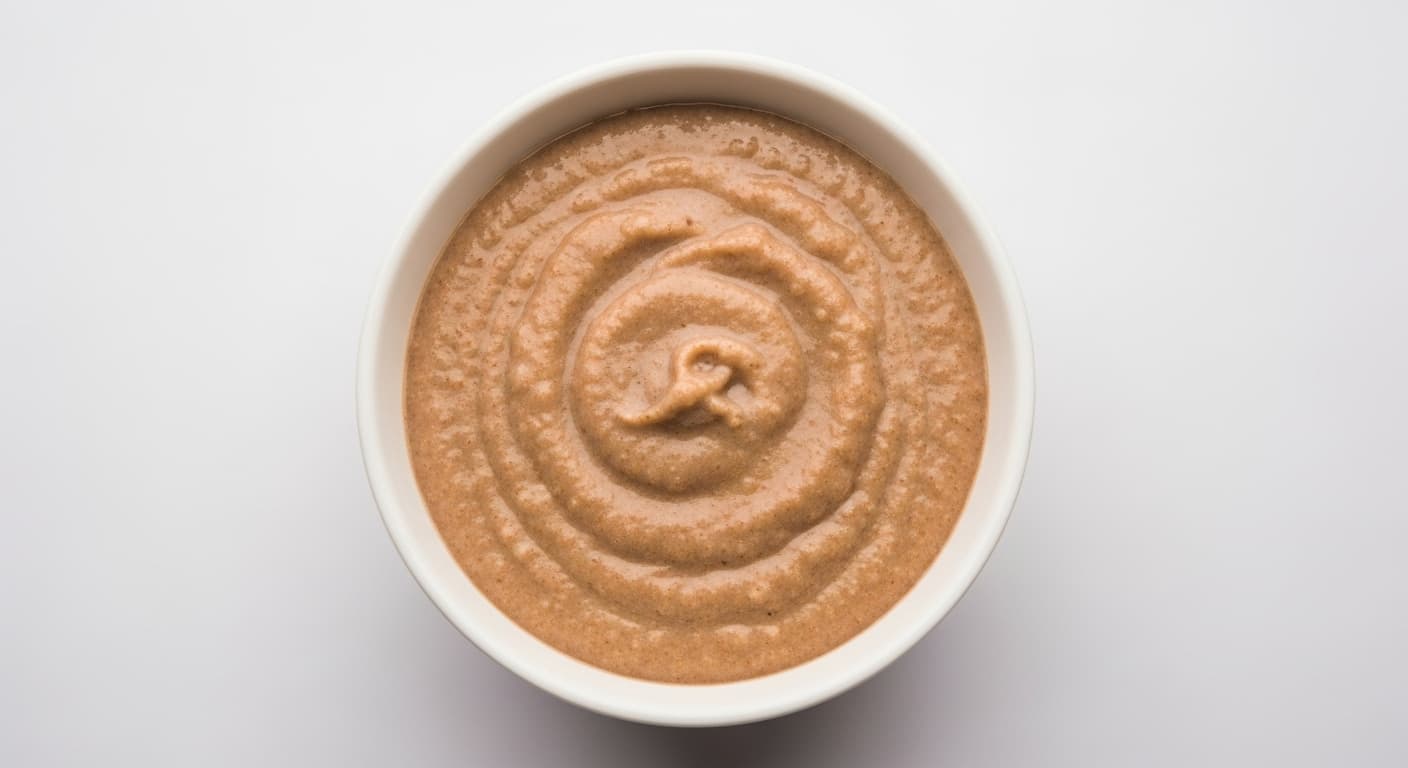
Ragi (finger millet) porridge is one of the most underrated weight-loss breakfasts in Indian nutrition. A single bowl delivers 6g fibre, significant calcium, and keeps you full for 4-5 hours: longer than oats, longer than dalia, and dramatically longer than bread-butter or plain poha. The secret is ragi's particular mix of slow-digesting starch, high fibre, and calcium, which multiple clinical studies have linked to fat loss.
This version uses water as the base (lower calorie than milk), ripe banana for natural sweetness, and cinnamon for blood sugar regulation. The whole bowl comes to 200 calories, remarkably low for the satiety it provides. If you're switching from a heavy breakfast to a weight-loss diet, this porridge is one of the smoothest transitions you can make.
Ingredients
How to Make It
In a small bowl, mix ragi flour with ¼ cup of cold water first to make a smooth, lump-free paste. This step is the difference between smooth porridge and lumpy porridge, don't skip it.
Bring 1.25 cups of water to a boil in a saucepan.
Reduce heat to medium-low. Pour the ragi paste into the boiling water in a thin stream, stirring constantly as you add it.
Keep stirring, almost constantly, as the mixture thickens. This takes about 4-5 minutes. The porridge is ready when it coats the back of a spoon thickly and has that creamy consistency.
Add cinnamon, cardamom, and the tiny pinch of salt. Stir well. The salt is counterintuitive but it genuinely brings out the other flavours.
Pour into a bowl. Top with sliced banana and crushed walnuts if using. Add a small drizzle of honey only if you feel it needs more sweetness.
Eat while hot. Ragi porridge thickens quickly as it cools: if it gets too thick before you finish, stir in a spoonful or two of warm water.
Nutrition per serving
* Approximate values per serving
Health Benefits
Ragi porridge creates exceptional satiety for its calorie count. The 6g fibre per serving significantly exceeds what you get from white bread or plain poha (1-2g), and research shows high-fibre breakfasts reduce total daily calorie intake by 100-200 calories through sustained appetite suppression. Calcium in ragi (100mg per serving) is linked to weight loss in several clinical studies, it suppresses the fat-storage enzyme fatty acid synthase and promotes fat burning. Ragi's polyphenols slow starch digestion, creating a prolonged glucose release that prevents the blood sugar crash-and-craving cycle that derails weight loss by mid-morning.
Pro Tips
- →Make the paste with cold water first, this single step completely eliminates lumpy porridge. It takes 30 seconds and is absolutely worth it.
- →Stir constantly during cooking, stop stirring and you'll get a stiff layer stuck to the pan bottom that's hard to clean and ruins the texture.
- →Use a ripe, spotted banana rather than a green one: ripe bananas are sweeter, so you need less of them to sweeten the porridge.
- →If ragi's earthy taste feels too strong at first, start with half ragi and half oat flour. Gradually increase the ragi proportion over 2-3 weeks as you get used to it.
Variations
- 1Ragi porridge with dates: Replace banana with 2 pitted dates blended with a little water: deeper, caramel-like sweetness and extra iron.
- 2Savoury ragi porridge: Skip the banana and cinnamon, add salt, chopped green onions, grated ginger, and jeera. An excellent savoury breakfast for those who don't enjoy sweet mornings.
- 3Use half milk and half water for a creamier, higher-protein version, adds 50 calories and 4g protein.
Frequently Asked Questions
You Might Also Like
Get a Personalised Diet Plan
4.9★ on Google • 7,000+ clients helped

