Jowar Bhakri with Vegetable Curry for Weight Loss: Filling, Fibre-Rich, Gluten-Free
A wholesome Indian recipe crafted for health-conscious eating: nutritious, delicious, and easy to make at home.
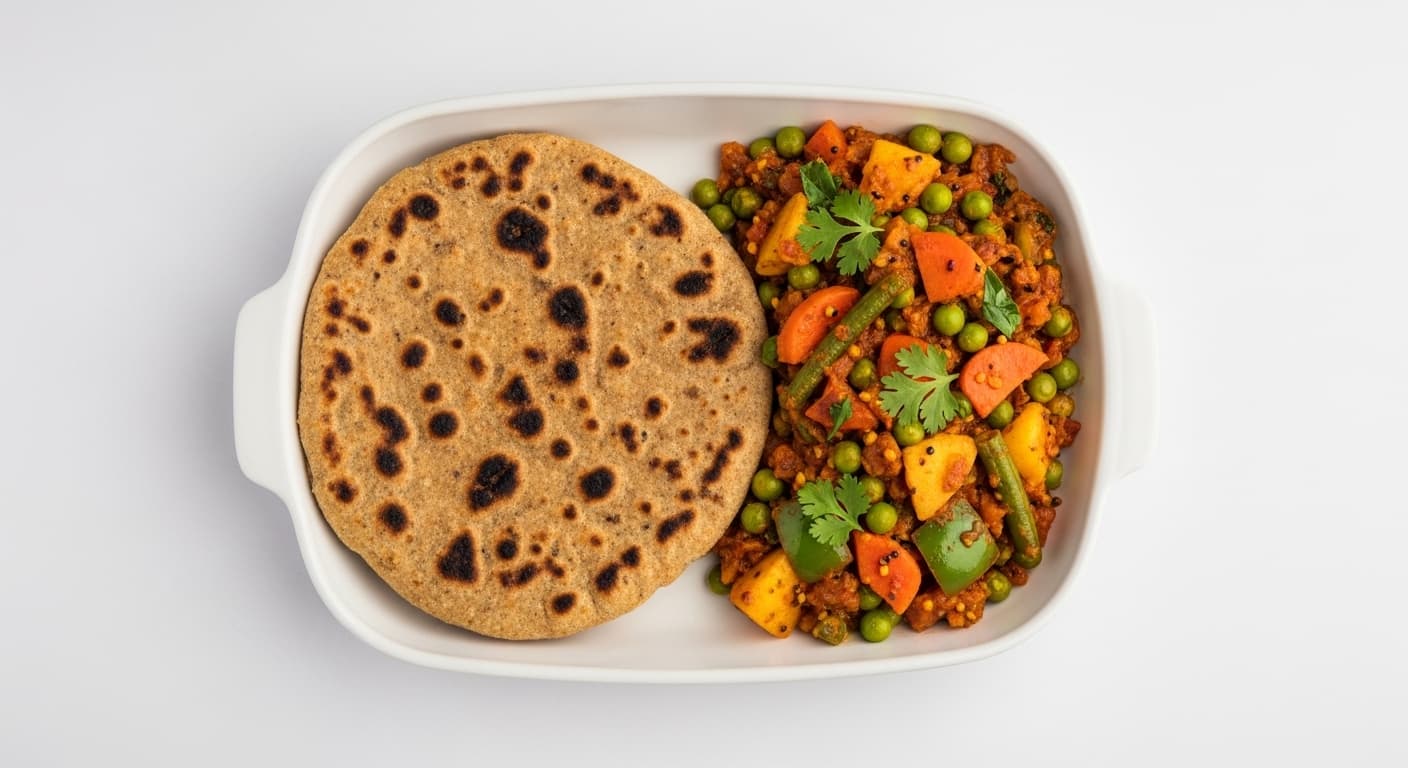
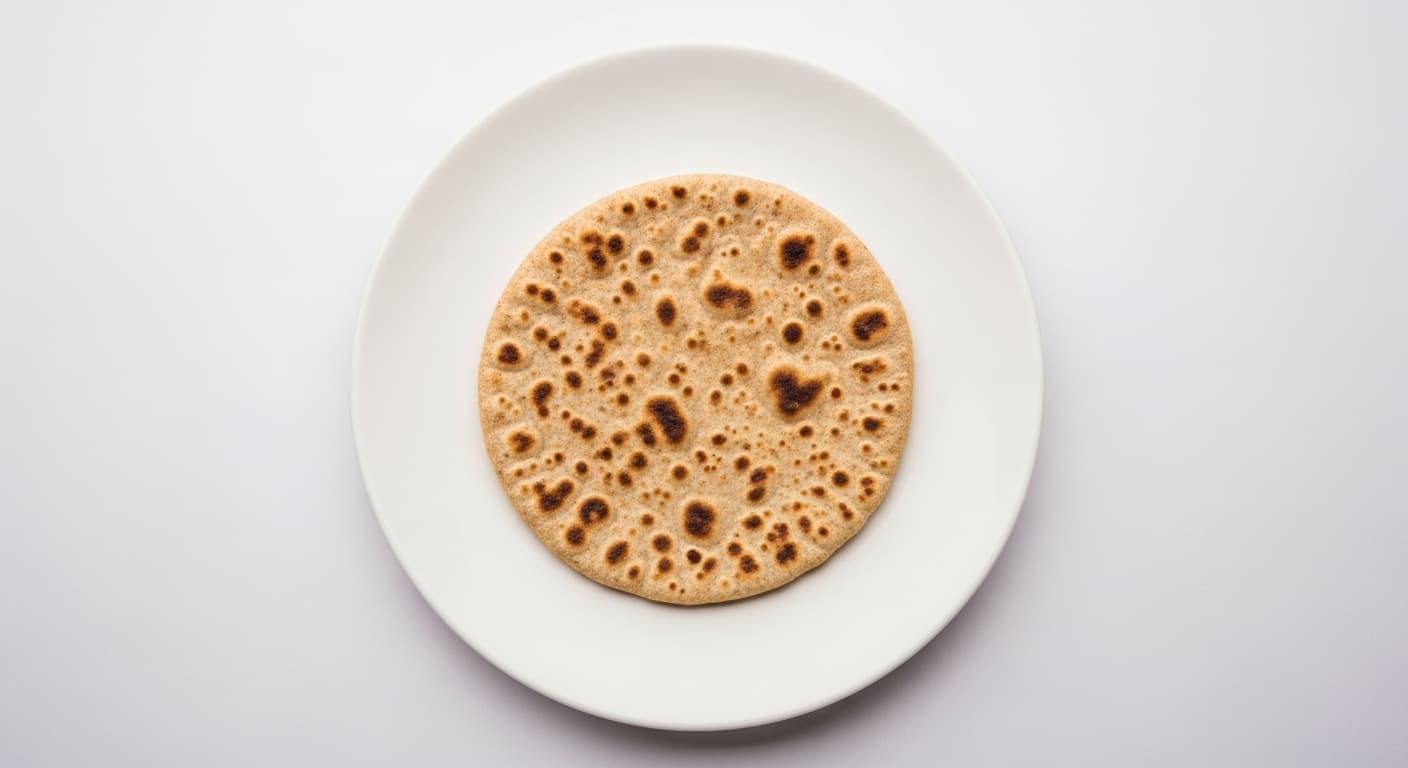
Jowar bhakri paired with a simple vegetable curry is one of the most nutritionally complete, filling meals in Indian food culture, and it has been eaten for weight management by farming communities in Maharashtra and Karnataka for generations, long before "low-GI" became a nutrition term. Two jowar bhakris with a katori of vegetable curry gives you 380 calories with 10g protein, 8g fibre, and a GI well under 60, a combination that creates lasting fullness without heaviness.
The vegetable curry is intentionally flexible, use whatever seasonal vegetables you have. The tadka uses just 1 tsp of oil and relies on onion, tomato, and spices for flavour and richness. Jowar bhakri with simple sabzi is the kind of meal traditional Indian health wisdom classified as "sattvic": energising, neither heavy nor unsatisfying. For weight loss, this combination genuinely works.
Ingredients
How to Make It
For the bhakri dough: Combine jowar flour and salt in a bowl. Add boiling water gradually, mixing with a spoon at first (it's too hot to touch), then knead when it cools enough to handle. The dough should be very soft. Rest for 5 minutes.
For the curry: Heat oil in a kadhai. Add cumin seeds, then garlic and onion. Cook until golden. Add tomatoes and cook until soft, 6-7 minutes.
Add turmeric and coriander powder. Stir through, then add the mixed vegetables.
Add ½ cup water and salt. Cover and cook on medium heat for 10-12 minutes until the vegetables are tender. Add garam masala. Set aside.
For the bhakris: Divide the dough into 6 balls. With wet hands, pat each ball on a damp cloth or plastic sheet into a round 5-6 inch diameter bhakri.
Cook on a very hot tawa for 1-2 minutes. Flip. For the second side, dab a few drops of water on top and press the bhakri directly against an open gas flame (or a wire rack over the burner) for 20-30 seconds, this is the traditional puffing step that makes jowar bhakri light.
Each bhakri takes about 3-4 minutes total. Keep cooked ones in a covered vessel to retain softness.
Serve 2 bhakris per person with 1 katori vegetable curry and a small bowl of low-fat curd.
Nutrition per serving
* Approximate values per serving
Health Benefits
Jowar's low GI (52-54) compared to wheat roti (70+) means significantly lower post-meal insulin spikes: and since insulin promotes fat storage, lower insulin means less fat accumulation from the same meal. Jowar's policosanols improve lipid profiles, reducing LDL and raising HDL, important since obesity-related dyslipidaemia is common. Its gluten-free nature reduces gut inflammation increasingly linked to impaired satiety signalling in overweight individuals. The mixed vegetables contribute chromium (in capsicum, beans) that enhances insulin sensitivity, and a range of antioxidants. Compared to a similar wheat-roti-sabzi meal, this jowar bhakri-sabzi combination provides fewer calories and a lower glycaemic response.
Pro Tips
- →The bhakri technique (wet hands, patting on a damp cloth) takes a few attempts to get right. First-time bhakris often crack or stick. By the 5th one, most people have it. Don't give up.
- →Make a larger batch of vegetable curry and refrigerate it for 3 days. Reheating is quick, and having the curry ready makes weekday meals effortless.
- →Jowar bhakri gets harder as it cools. Reheat on a tawa with a light sprinkle of water, or wrap in a damp cloth. Eating it fresh is always best.
- →The portion is 2 bhakris + 1 katori sabzi + small curd. Resist making 3-4 "because they're healthy": calories still count, even with good-quality food.
Variations
- 1Use bajra (pearl millet) flour instead of jowar for a different flavour, bajra bhakri with garlic chutney is Rajasthani soul food and equally weight-loss friendly.
- 2Add ½ cup boiled white beans or chickpeas to the vegetable curry for a protein boost.
- 3Winter version: Replace mixed vegetables with bathua (chenopodium) or sarson (mustard greens) for a highly nutritious seasonal variation.
Frequently Asked Questions
You Might Also Like
Get a Personalised Diet Plan
4.9★ on Google • 7,000+ clients helped

